


News & Updates
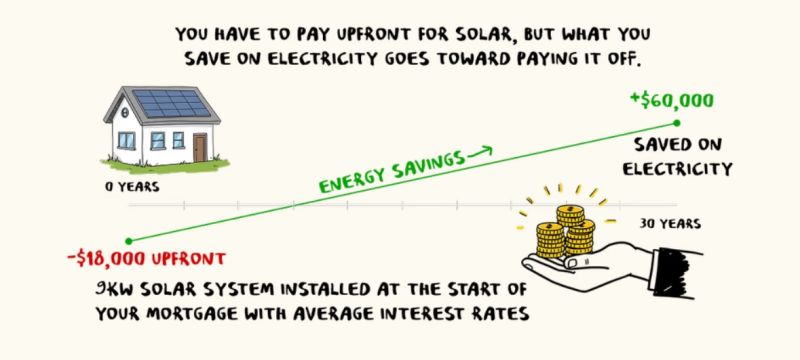

"A proposed new financing agency for ratepayers constitutes the best hope for those seeking government help in getting rooftop solar panels on to New Zealanders’ homes."

Rewiring Aotearoa supports the Energy Efficiency and Conservation Authority’s (EECA) levy funding proposal for 2026/27, as we see significant benefits for electricity consumers and New Zealand’s productivity from EECA’s workstreams. This is evidenced through EECA’s performance where it has met or exceeded targeted measures, which include cost and energy savings, efficiency investment and other metrics that demonstrate the value EECA’s programmes provide.

Anyone who upgrades their gas hot water system to a hot water heat pump is a Bright Spark in our eyes and that's what Kingston resident Jason Roberts has just done - with an assist from the Queenstown Electrification Accelerator's group discount scheme.

St John's electric emergency mobile shifts down south after a successful trial in Waikato (while hydrogen buses in Scotland get the axe); Hutt City Council and Nelson City Council embrace some big electric machines; battery health concerns are proven to be a non-issue by individual drivers doing big numbers and a big new study over 7,000 vehicles; what fuel waste looks like when you capture it; the solar demographic split; and Oli Frost releases a new kids' book focused on law firms.
Following stories in the media of solar customers who are not getting the promised bill reductions from solar, Rewiring Aotearoa CEO Mike Casey joined Jesse Mulligan to talk about what to look out for, how to ensure you get a quality install and why the vast majority of people are very satisfied with their solar.
"It's an economic slam dunk." Rewiring CEO Mike Casey joins RNZ's The Panel to talk solar - and solar subsidies.
.png)
"Very quickly, the risks outlined around LNG access have come true. Current events make it harder to immediately buy into why this LNG facility is likely the best option, because it has potentially fallen over at the first hurdle." That's Brad Olsen, chief economist at Infometrics, spelling out what the situation in Iran means for New Zealand on RNZ.
.png)
An indepth investigation from RNZ's Kirsty Johnston shows that rooftop solar incentives were looked at closely by the Government last year and then nixed, with only small changes announced. But there's still time to get the Ratepayer Assistance Scheme through and ramp up adoption rates.
Cheaper, cleaner, better. That's a mantra we often use to explain the benefits of electric machines at Rewiring and it's something Christchurch company E-Stroke can also claim with its electric boat conversions.
The savings from solar are very compelling on their own, but there are many who don’t want to invest because they may not be planning to stay in the home for very long. It’s a reasonable concern given the average time spent in a house is now just over five years. But a new paper shows that solar can be a good investment when it comes to house prices.
Everyone is rocking on down to Electric Avenue today (this one online, not that other small one in Hagley Park in Christchurch), so let's ride the lightning: profits and electricity prices keep going up, as panels keep going down; a new paper puts a number on how much more homes with solar sell for; we're bottling things up with big and small batteries and they are eating into gas in Australia and California; transport emissions drop across the Tasman as a result of Government EV incentives, while HEB Construction electrifies its fleet; electrons are coming from above in China; and Xpeng announces the arrival of a crazy looking electric van/aircraft carrier.
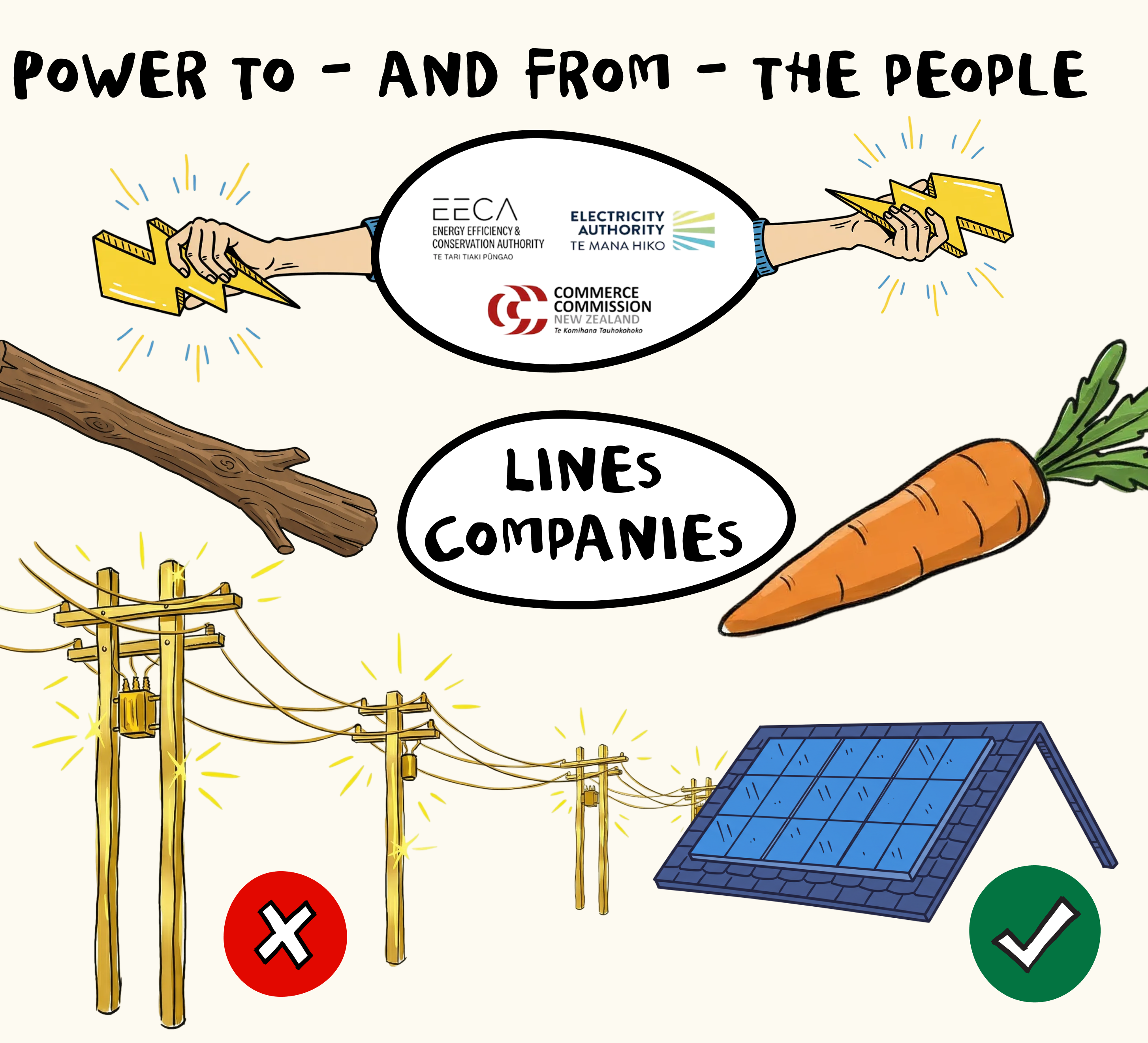
Warren G and Nate Dogg said it best when they said: 'Regulators, mount up!' - and this week, they have.In a rare joint open letter, three different regulators - EECA (Energy Efficiency and Conservation Authority), the Commerce Commission and the Electricity Authority - have basically told the lines companies to pull their socks up and make the most of ‘non-network solutions’ (AKA stop building more expensive poles and wires and start looking at customers and new technology as part of the solution!).
.jpg)
"The LNG announcement from earlier this month has set the stage: electricity, and the energy sector more broadly, is set to be a major election issue this year. Casey has compared electricity to telecommunications, an area where services have become much cheaper in the last decade with technology advancing. “There are supply challenges for the grid and natural gas, and increasing pressure to find sustainable alternatives as reliance on fossil fuels becomes less viable,” he wrote in a Newsroom piece earlier this month, heralding the “electric election”.
“As long as you’re reducing your reliance on fossil fuels, there’s very little room for regret.” That’s a statement we can get behind and it’s something Rhys Boswell, the operations manager at Christchurch Airport, is continuing to push for.

Rewiring generally supports the improvements proposed in the Bill, and seek that the scope of these improvements be expanded to include the legislative changes required to enable the Ratepayer Assistance RAS due to the significant infrastructure and cost of living improvements this innovative financing RAS unlocks.

First 32 Solar on Farms demonstration grants handed out by EECA, more farmers running on the sun for bill reductions and resilience gains, BYD flashes everyone with its super fast charging and gets set for V2G, China drops a 10,000 ton electric container ship; why more electricity in more electric machines is the big climate story of 2026, how a coal museum in Kentucky got solar, and a bit of heat pump humour and LNG levity.

We believe the Multiple Trading Relationships proposal will benefit consumers by providing customers with more choice over how they buy and receive fair payment for exported solar.
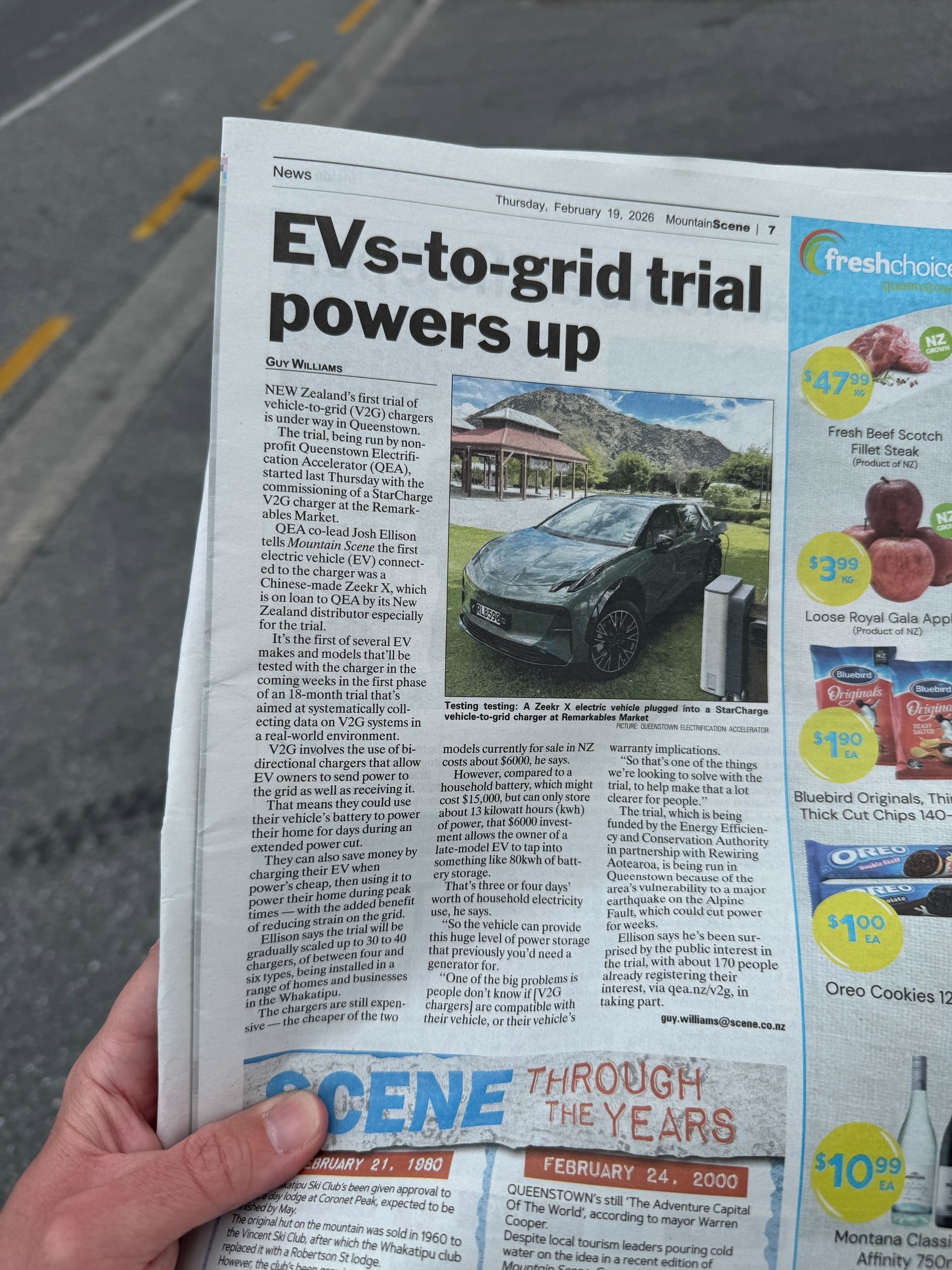
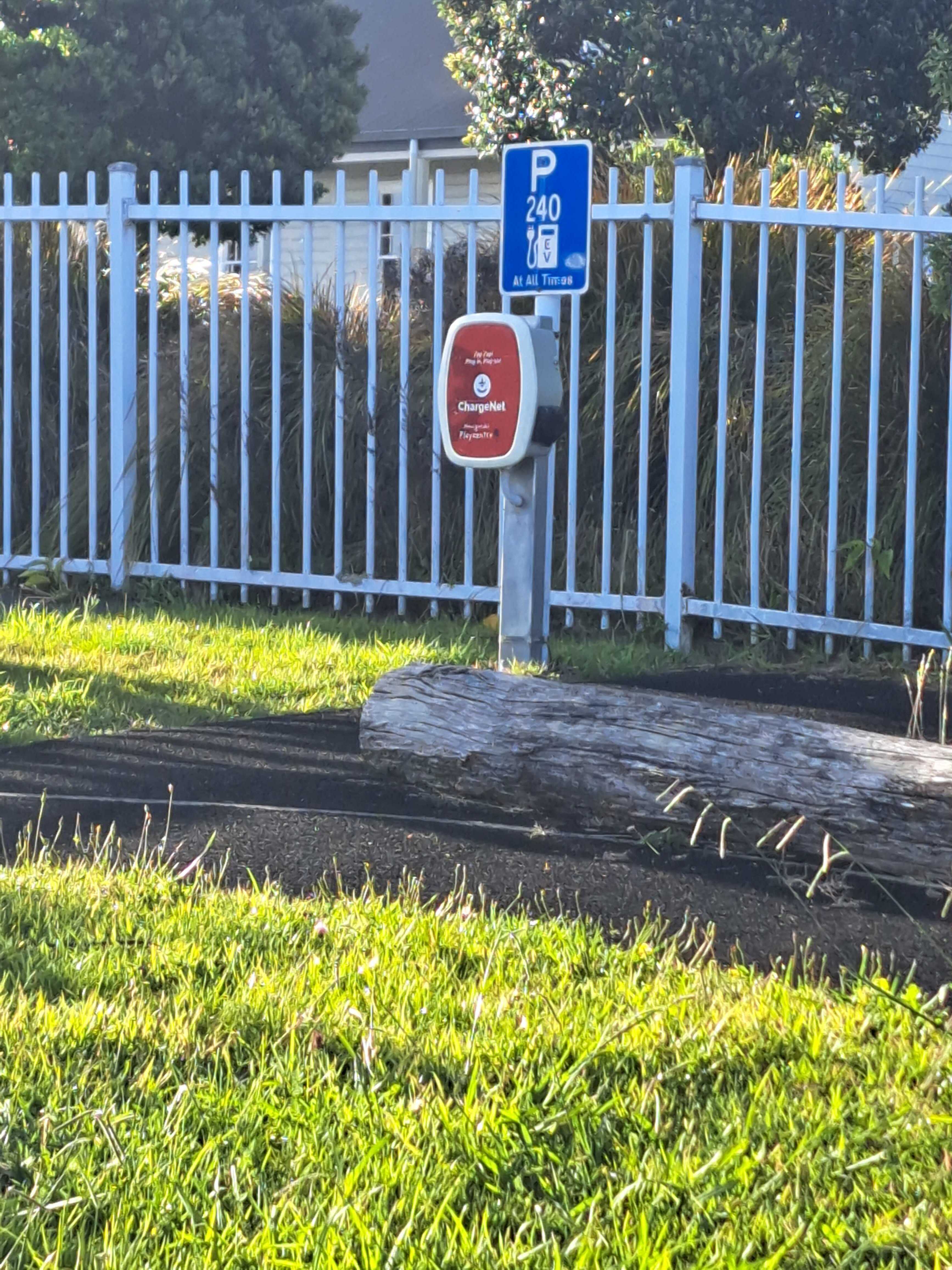
The Mountain Scene has covered the arrival of the first two-way charger as part of the country's biggest vehcile-to-grid trial. The trial is being run by the Queenstown Electrification Accelerator and EECA, and a Zeekr X provided by distributor Nordeast is the first vehicle to be tested. As QEA co-lead Josh Ellison says: "One of the big problems is people don’t know if [V2G chargers] are compatible with their vehicle, or their vehicle’s warranty implications. So that’s one of the things we’re looking to solve with the trial, to help make that a lot clearer for people.’’ This charger is for testing purposes only and not for public use.
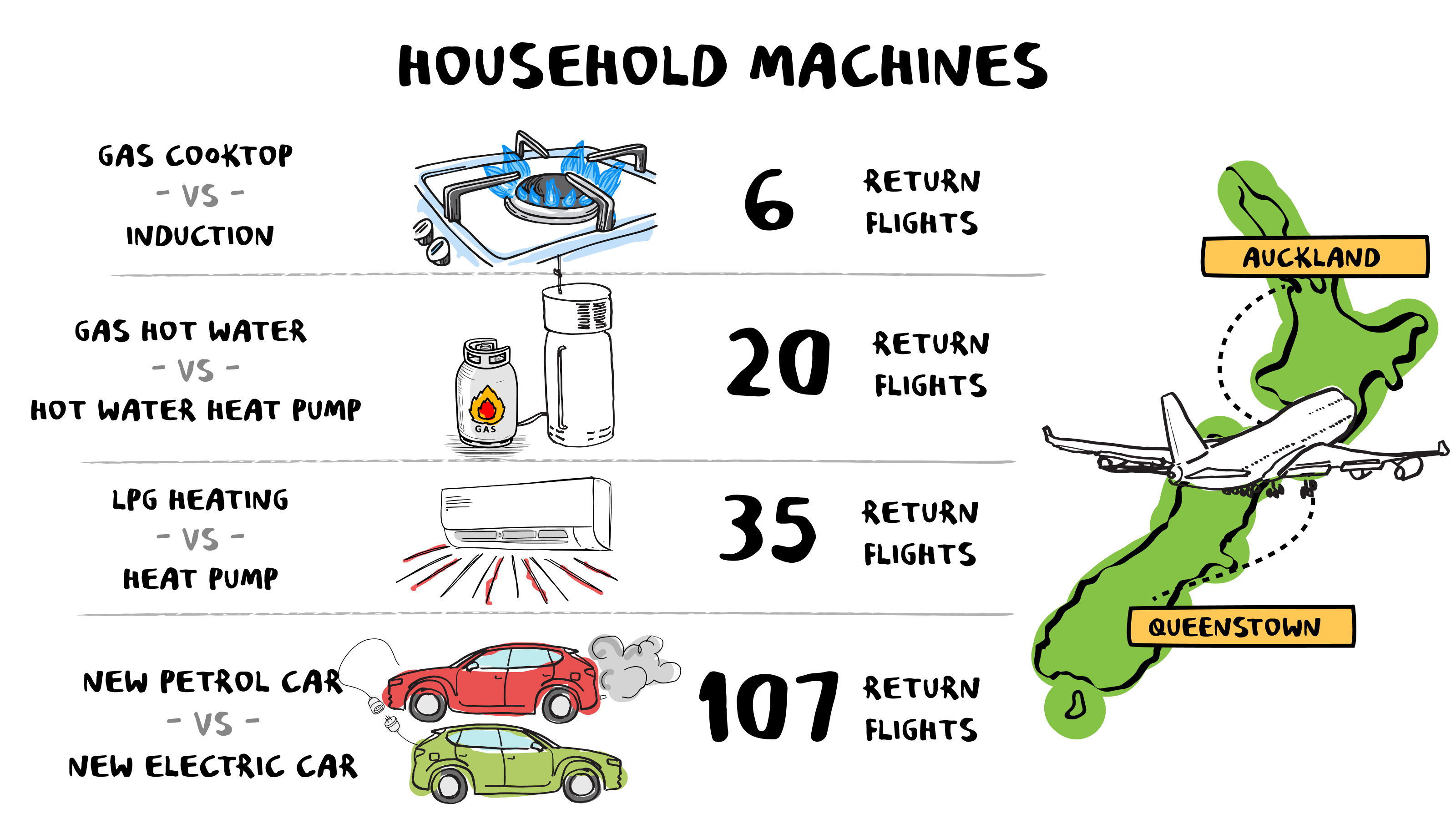
We should definitely be moving away from fossil fuel machines at the big end of town, and the LNG terminal has united almost everyone in opposition on both economic and environmental grounds. But raging against your fossil fuel machines at home and swapping them for better-performing electric options is one of the best ways to reduce your own household emissions.
.png)
Talk about going in one door and out the other.More people than ever are struggling to pay their energy bills. There is a system designed to help those in that situation and a total of $562 million was paid in the last financial year through the Winter Energy Payment. There are additional emergency payments on top of this. And this completely ignores the wider health and social costs of 'energy poverty.' Interestingly, a similar amount - $482 million - was paid to the Government in dividends from its shares in the gentailers Meridian, Mercury and Genesis in the last financial year.
Compared to most of our MPs, Scott Willis is a very early adopter. As the latest episode of our 'Political Power' series shows, the Green MP's home in Waitati has had solar panels on the roof since 2013 and he bought a Nissan Leaf in 2016. He runs a full suite of electric gardening gear - which can often be a powerful gateway drug after people see how well they perform - and recently upgraded to a BYD Atto3 with a 60kwH battery.
Rewiring Aotearoa supports the Energy Efficiency and Conservation Authority’s (EECA) levy funding proposal for 2026/27, as we see significant benefits for electricity consumers and New Zealand’s productivity from EECA’s workstreams. This is evidenced through EECA’s performance where it has met or exceeded targeted measures, which include cost and energy savings, efficiency investment and other metrics that demonstrate the value EECA’s programmes provide.
Read moreShareable linkDownloadRewiring generally supports the improvements proposed in the Bill, and seek that the scope of these improvements be expanded to include the legislative changes required to enable the Ratepayer Assistance RAS due to the significant infrastructure and cost of living improvements this innovative financing RAS unlocks.
Read moreShareable linkDownloadWe believe the Multiple Trading Relationships proposal will benefit consumers by providing customers with more choice over how they buy and receive fair payment for exported solar.
Read moreShareable linkDownloadRewiring Aotearoa is very supportive of the Electricity Authority’s introduction of requirements for distributors to provide payments for exports at peak based on the avoided long run marginal cost of peak demand. This will fairly support consumers to invest in batteries and encourage people to supply surplus energy to the network when it is needed, benefiting all customers through lower electricity costs that we all pay through our power bills. To unlock the full extent of these benefits it is important that the intended group of customers have access to these payments. This intended group is the small businesses who do not have the bargaining power to negotiate fair benefits. It excludes large customers who are already more likely to be rewarded for the benefits their injection (exports) provides. Unfortunately the preferred proposal the Electricity Authority (the Authority) has set out in this consultation will not achieve this, and will reduce benefits to customers and does not align with the Authority's statutory objectives.
Read moreShareable linkDownloadWe strongly support the Electricity Authority’s aim of removing unnecessary barriers to more efficient investment in distributed generation and maximise the benefits it brings for all New Zealanders. It is great to see the progress the EA is making in its Networks connection workstreams which will translate in real benefits for consumers. We agree with the Electricity Authority's description of benefits from distributed generation and support the proposals set out in this consultation although propose some additional measures and modifications.
Read moreShareable linkDownloadSolar and batteries - in homes and EVs - offer signicant resilience benefits during times of crisis and the Ratepayer Assistance Scheme can help unlock private investment.
Read moreShareable linkDownloadElectrification is the single biggest opportunity to improve fuel security in New Zealand and that's why we think we need a bold national energy independence plan, not just more incremental changes to our current fuel security plan.
Read moreShareable linkDownloadUnmanaged EV charging that occurs at network and system peaks could add unnecessary electricity infrastructure investment, increasing bills for all customers. Investment in our networks is scaled to meet peak demands and has the potential to significantly increase electricity bills over the coming decades. It is important we take action to shift demand, where it makes sense, to avoid peak demand increases. Rewiring Aotearoa is very supportive of the efforts the Ministry of Business Innovation and Employment is taking to consider options to deliver a more flexible electricity system that will lower system costs for all consumers. Uptake of smart EV chargers is one way to manage peak EV demand and support a lower system cost. However we do not think there is a strong enough case to mandate that all fixed EV charging units sold in New Zealand must be smart.
Read moreShareable linkDownloadRewiring Aotearoa supports the proposed changes to Multiple Trading Relationships (MTR) (allowing two traders – distributed generation and consumption), which will increase consumer choice and introduce more competition to retail tariffs. For example, it will disincentivise tariffs that offer competitive export tariffs, but also ramp up consumption tariffs. The Electricity Authority should also implement changes at this time that require retailers to allow large sites to share solar across multiple co-located installation control points (ICPs, i.e. ICP aggregation), and facilitate peer to peer trading for small scale renewable generators with local sites. Rewiring Aotearoa disagrees that delaying these steps via a staged approach is in consumers best interest. Consumers should not have to wait until demand increases to unlock the benefits of their solar and battery systems or access more competitive options from retailers. This should be supported now, to help consumers make investment and retail tariff decisions that reduce their overall energy bills.
Read moreShareable linkDownloadWe appreciate that broader resource management reform is underway that will ultimately provide a more consistent national framework. However, we cannot afford to wait for the perfect system while workable solutions are delayed. In the meantime, inconsistent and unnecessary consenting requirements for small-scale ground-mounted solar are slowing down projects that could deliver immediate benefits - lowering energy costs, strengthening resilience, and supporting the grid. While long-term reform is important, immediate adjustments will ensure small-scale solar isn’t held back by outdated or inconsistent rules.
Read moreShareable linkDownload"Investing in natural gas in homes doesn’t make economic sense anymore for New Zealanders ... Rewiring Aotearoa’s view is that the Government should support a managed transition away from natural gas for the homes and non-industrial businesses connected to reticulated natural gas distribution networks. This would help address inequity for households on low incomes and renters, and provide greater certainty over how quickly customers will disconnect, when networks would likely retire and cost recovery timelines."
Read moreShareable linkDownloadRewiring Aotearoa's submission highlights that successful digitalisation should allow customers to maximise benefits from their provision of demand flexibility and solar and battery exports, without third parties (aggregators or VPPs) routinely taking a cut of the value. Retail offerings that include time of use prices and fair export tariffs will be key enablers of successful digitalisation of the electricity system. Customers need a fair deal through their electricity prices and export tariffs. This means the customers need to have the option to choose from a range of retail tariffs that include time of use prices, fair export tariffs (that reflect the value in the wholesale market) and symmetrical export tariffs from distributors.
Read moreShareable linkDownloadRewiring Aotearoa is extremely supportive of the focus the Electricity Authority is putting into exploring opportunities and seeking views on a more ‘decentralised’ electricity system. It’s great to see the release of the Green Paper seeking views from New Zealanders on the role they can play in the future electricity system and how a more decentralised electricity system should evolve. As the Green Paper explains New Zealanders will benefit from a more decentralised, community-centric energy system through lower energy bills, greater energy resilience, fuel security and lower emissions. However there are some assumptions and emphasis in the Green Paper that we think needs to change
Read moreShareable linkDownloadRewiring Aotearoa is supportive of the Innovation and non-traditional solutions allowance (INTSA) and the development of Guidance for submissions. Read our full submission by downloading the document.
Read moreShareable linkDownloadWhile the potential implications of the Bill are wide-ranging, our submission has focused on the potential implications for the electrification of Aotearoa NZ if the Bill is enacted as proposed. This is pertinent to Rewiring’s work, because one of our core aims is to help reduce energy bills for customers - NZ’s households, farms, and businesses. Significant changes are needed to fix the status quo, and we are concerned that the Bill may inadvertently bake in the existing rules governing the sector.
Read moreShareable linkDownloadRewiring Aotearoa is supportive of the development of Publicly Available Specification for Residential solar photovoltaic (PV) and battery storage systems guidelines. These guidelines can provide a consolidated and trusted source of information to help households navigate the process of choosing and installing solar PV and batteries. There is some messaging and information in the PAS that we think needs to be changed or added to provide households with the best advice to support them to maximise benefits from solar PV and batteries. This includes removing the focus on pay back periods and informing households about cost savings from day one from solar PV and batteries financed over the life of the system. Households also need information about the potential risks of some existing lease to own sales models which provide little real benefit to households with the bulk of the savings captured in suppliers profits. Download the document to read our full submission.
Read moreShareable linkDownloadIn a cross-submission, Rewiring Aotearoa has responded to a range of concerns raised by other submitters in the Energy Competition Task Force's consulation.
Read moreShareable linkDownloadWe support the role that government procurement can play in benefitting every community across the motu. We agree that simplifying and streamlining the procurement process is important, and reducing rules is a logical starting point. However, this should not undermine key considerations and past efforts in ensuring government spending supports long-term positive outcomes. Government procurement can support us to go for growth by increasing productivity of energy, which is a fundamental economic input
Read moreShareable linkDownloadOverall, Rewiring Aotearoa welcomes the objectives of this package of proposals. from the Energy Competition Task Force. We view the package as a critical step in improving energy system outcomes for all consumers. We consider retailers paying consumers fairly as a critical step, and we are mostly satisfied with the Task Force’s approach to this (initiative 2C) and think it will create better outcomes for New Zealand consumers and the energy system as a whole. In contrast, the Task Force’s preferred option around how distributors are required to reward peak input from consumers (initiative 2A) will not in our view meet the Task Force’s (or the Electricity Authority’s) stated objectives.
Read moreShareable linkDownloadFocusing on the emissions reductions at home through electrification is a major opportunity (and challenge) for Aotearoa NZ. Homes, farms, and businesses must play a role in driving emissions reductions through electrification and the potential must be recognised and addressed to our 2035 international climate change target.
Read moreShareable linkDownloadRewiring Aotearoa believes we need to make better use of our existing infrastrucuture, see customers as an essential part of a 21st Century energy system and that electrification will lead to much greater energy security and resilience.
Read moreShareable linkDownloadRewiring Aotearoa's submission to the Electricity Authority on its Network Connections Project - Stage One is in and it is good to see the Authority practicing its statutory objective of protecting the interests of consumers.
Read moreShareable linkDownloadThe Ministry for Business, Innovation and Employment opened consultation on a discussion document about amendments to the Electricity Safety Regulations to expand the permitted voltage range for electricity supply. Rewiring Aotearoa's submission believes changes are needed to prepare for the rapid adoption of customer energy resources, and electricity distribution companies need to be compelled to allow export limits to be increased.
Read moreShareable linkDownloadThe Department for Prime Minister and Cabinet and the Ministry for the Environment proposed a topic for a Long Term Insights Briefing entitled 'Everyone plays a part: building New Zealand’s resilience in the context of global trends and our unique natural environment'. Rewiring Aotearoa's submission says energy security and resilience, critical infrastructure failing and commodity/energy price shocks are especially important for Aotearoa NZ’s resilience to future challenges, and farms can also play an important role.
Read moreShareable linkDownloadOur ERP2 submission outlines what we think needs to be done to improve the Government's plan to reach our climate targets, electrify the Aotearoa New Zealand economy and build a fairer future energy system for New Zealanders that saves people money and does not leave anyone behind.
Read moreShareable linkDownloadThere is a relevant saying: ‘Information wants to be free’. While the proposed Consumer and Data Product Bill takes a step in that direction, it does not offer the level of freedom that could be technically accomplished, nor the level of freedom that is likely to unlock the maximum level of innovation.
Read moreShareable linkDownloadRakiura / Stewart Island faces the highest electricity prices in New Zealand. Successive governments have funded report after report and numerous fly-in visits by Ministers have failed to change this situation for the local community. Rewiring Aotearoa believes the opportunity is to harness existing solar and battery technology to deliver significant cost-of-living savings and reduced emissions at scale via electrification on Stewart Island right now. With financed solar and batteries, electricity usage costs for residents could be halved without delay. Rewiring Aotearoa has been engaging with the local community, who have been sending us their power bills. On Saturday 27th April some of the Rewiring team visited Stewart Island (including Mike Rewi who has strong whakapapa to Stewart Island). What we are hearing from this community is many locals fear the proposals and the likely “preferred option” will be focused on replacing current diesel generators, not on reducing the cost of energy for consumers. Our proposal outlines Rewiring Aotearoa’s pitch for an alternative approach to develop a community-led energy solution for the Island.
Read moreShareable linkDownloadOverall, we encourage the Commission to think beyond competition merely as a driver for innovation, to consider the outcomes from innovation for the long term benefit for New Zealanders. Rewiring Aotearoa believes one such outcome from market innovation is supporting the electrification opportunity for Aotearoa New Zealand. The Commission has the opportunity to play an active role in driving this not just through the energy market, but also through the personal banking market. It is important that these functions are not seen in isolation, but as a system, to better realise the Commission's role in delivering on NZ’s emissions reduction plan, and 2050 Nationally Determined Contribution.
Read moreShareable linkDownload18 March 2024: New Zealand is one of the first places in the world where electric appliances and vehicles are now more affordable than their fossil fuel equivalents. A new report has shown that, on average, homes currently using gas appliances and petrol vehicles could save thousands every year if they went electric and got their electricity from a combination of rooftop solar, home battery and New Zealand’s already highly renewable grid.
Read moreShareable linkDownload
In this future, consumer infrastructure needs to compete on a level playing field with traditional infrastructure – if a $10,000 battery on a consumer’s premises can provide the same service as a $20,000 supply-side asset (a network or generation investment), the consumer’s asset should be selected for the service. However, today there is a systemic bias towards traditional infrastructure largely because it is seen as significantly more ‘dependable’. There are a variety of historical reasons for this. Our primary context to this submission is that many of the assumptions and rationale for this bias are quickly falling away, and DPP4 provides a significant opportunity for the Commerce Commission (the Commission) to reset the assumptions and correct some of this bias.
Read moreShareable linkDownload
The EA has the ability to take a leadership role in the energy transition on behalf of electricity consumers. Far more than the Commerce Commission’s oversight of EDBs investment plans, the EA’s network pricing workplan gives consumers agency in the development of the electricity system. When consumer agency is stifled, they will likely have significantly worse financial outcomes on their bills. Much of the necessary changes have been demonstrated already locally or overseas, and the remaining question is not if the changes are possible but if we as a nation will have the courage to implement them on the timeline required to drive better energy transition outcomes for consumers.
Read moreShareable linkDownloadNew Zealand is well-endowed with natural resources that we have harnessed to run our homes, farms and businesses. We are very reliant on hydro storage for electricity and when it doesn't rain we need to rely on other sources. So what's the best way to plug that gap as we wait for more renewables resources to come online?
Read moreSolar is the fastest growing source of electricity globally. And it’s the cheapest form of electricity available to New Zealand households. But not every home is suitable for panels. Not everyone owns the home they live in. And not everyone can access the capital for a rooftop solar system. That’s why there’s also been a surge of small-scale or plug-in solar in a number of countries. So why not here in New Zealand?
Read moreThe biggest barrier to unlocking the household savings that electric technology offers - as well as the many other public benefits - is the upfront cost. Long-term, low-interest energy loans are the ladder we need to get more people over that.
Read moreWe need gas in the short term to generate electricity and for certain industries to keep operating, but gas is expensive, it is likely to get more expensive, and it is running out faster than expected. So how do we use it now? How are shortages and price rises impacting homes and businesses? And what can we replace it with?
Read moreWe need great urban design that encourages electric public and active transport for safe neighbourhoods and healthy lifestyles, but we also need electric cars for rapid decarbonisation and to address all the vehicle travel we realistically aren’t going to shift or avoid. These two things can be complementary.
Read moreWhen it comes to our energy system, we could do the bare minimum and pay the price, or we could think ahead and reap the rewards. Here's what both of those options could look like in 2030.
Read moreYou will always have to pay for an energy subscription. Using renewable electricity in electric machines (and ideally running on the sun) is the cheapest energy subscription you can get. Here's how the numbers stack up.
Read morePlenty of people need cars (and plenty of people still want them), and other vehicles are literal engines of prosperity. We don't have to give them up to reach our climate goals. We just need them to be electric.
Read moreSolar on our rooftops, farms and businesses can displace the emissions generated by burning fossil fuels in our homes and especially our cars, provide the extra electricity we need to run our electric machines, help bring the cost of electricity down for everyone on the network, and improve our energy security by keeping water in our hydro lakes for when we need it most.
Read moreWe often hear from people who aren’t sure if switching to an electric alternative is the right move. One of the most common questions we get asked is ‘will switching to an electric machine actually reduce my carbon footprint if creating the new machine or materials produces emissions?’It’s a fair question, and we completely agree it’s important to think about the full life cycle of the products we buy and use. Electric alternatives, including vehicles, often produce more emissions than fossil fuel equivalents during manufacturing. But, over the lifetime of the machine, they create much less carbon pollution because they don't burn any fuel.
Read moreFossil fuels for homes, transport and industrial processes make up the vast majority of the country’s total energy consumption. Electrifying the machines that use these fossil fuels means we will use more electricity but much less energy overall.
Read moreAn electrified energy system is actually full of opportunities for redesign, reuse, recovery and recycling. There are opportunities for innovators and entrepreneurs to generate value across the lifespan of every energy asset, not least the return of its components to the manufacturing cycle. To explore this further, Rewiring Aotearoa has partnered with Circularity, local experts in circular design and strategy, to explain what the circular economy is, how to integrate circularity into the design of energy systems, and the role of policy strategy to make it happen.
Read moreThere are no free lunches in energy. But some lunches are far, far cheaper than others. Electrifying everything will massively reduce the overall material and energy requirements of the global energy system. This can be said with high confidence. To be sure, renewable energy systems take materials and energy to build. But this is dwarfed by the mind-boggling scale of extraction, consumption and wastefulness of fossil energy.
Read morePeople sometimes talk about ‘carbon tunnel vision’ – that is, the single-minded pursuit of emission reductions at the sake of everything else. But this is the wrong way to think about electrification. It isn’t only about emissions (even though preventing the world from dangerous overheating is quite the co-benefit). It isn’t only about the tech or the kit: the rooftop solar panels, the batteries, the electrified appliances and vehicles. These are just the means to an end. Electrification is about people and it is a fundamentally better way to power our lives and livelihoods.
Read more
The City Rail Link adds another electric string to the bow of Auckland, which is growing its public transport services and reducing operating costs while reducing emissions; you'd have to really hate saving money to buy a diesel van if you're a courier; Bob the Builder is back after a bit of a break to front a campaign about the need for workers to install solar, batteries and electric upgrades; another pilot in Australia aims to make it easy for Canberrans to go electric; and boating is going electric 'faster than you think'.
Read more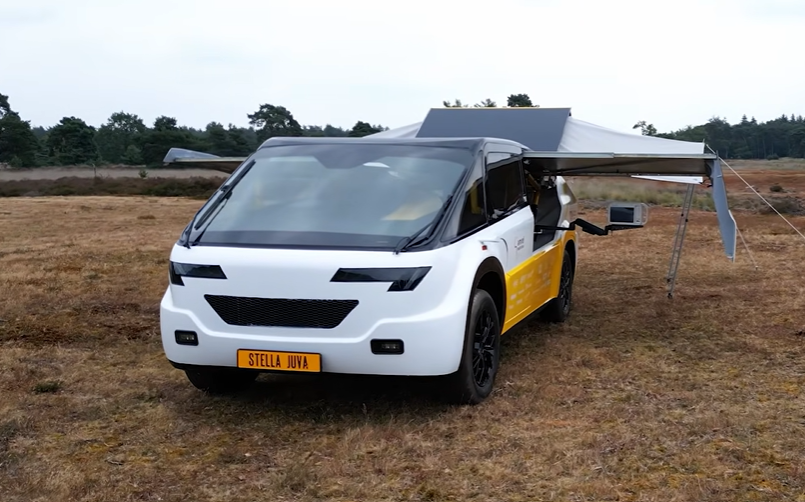
New Zealand has lots of renewable electricity, but still uses lots of expensive imported energy; commercial kitchens in the UK are are turning down the heat (and the toxins, and the costs, and hassle of cleaning gas hobs) by going electric; new research shows plenty of young'uns think petrol cars are akin to a landline; a solar-powered ambulance designed by Dutch students brings some 'medisun' to remote areas; 'Pic's Peanut Butter partners up with FTN Motion for a special electric motorbike; and a great website that helps us appreciate the abundance that's all around us (and the things that could be entirely normal soon).
Read more
Australia reaches a milestone in August, with more new electric cars sold than petrol cars; another new study shows EV batteries last longer than the myths have made out; Heart Aerospace sends the world's heaviest electric plane skywards; China's massive mining machine hits the dirt; and we've fully embraced heat pumps to warm the air, now they're coming for our water.
Read more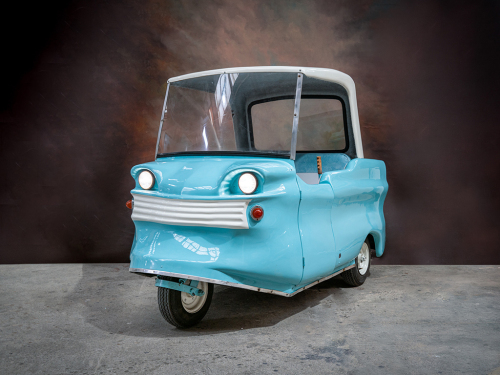
We definitely need to keep an lid on electricity prices, but the grid still provides savings and we need to focus on our fuels; geothermal could change everything in New Zealand and it's helping Iceland become a fruit and vege growing paradise; Devan Plastics looks to the sun for savings (and embraces floating panels); sparks fly as Master Electricians and BYD partner up, while electric vans and utes are now a competitive advantage for businesses; and a magnificent three-wheeled electric machine from the 1960s and an electric tractor from 1932.
Read more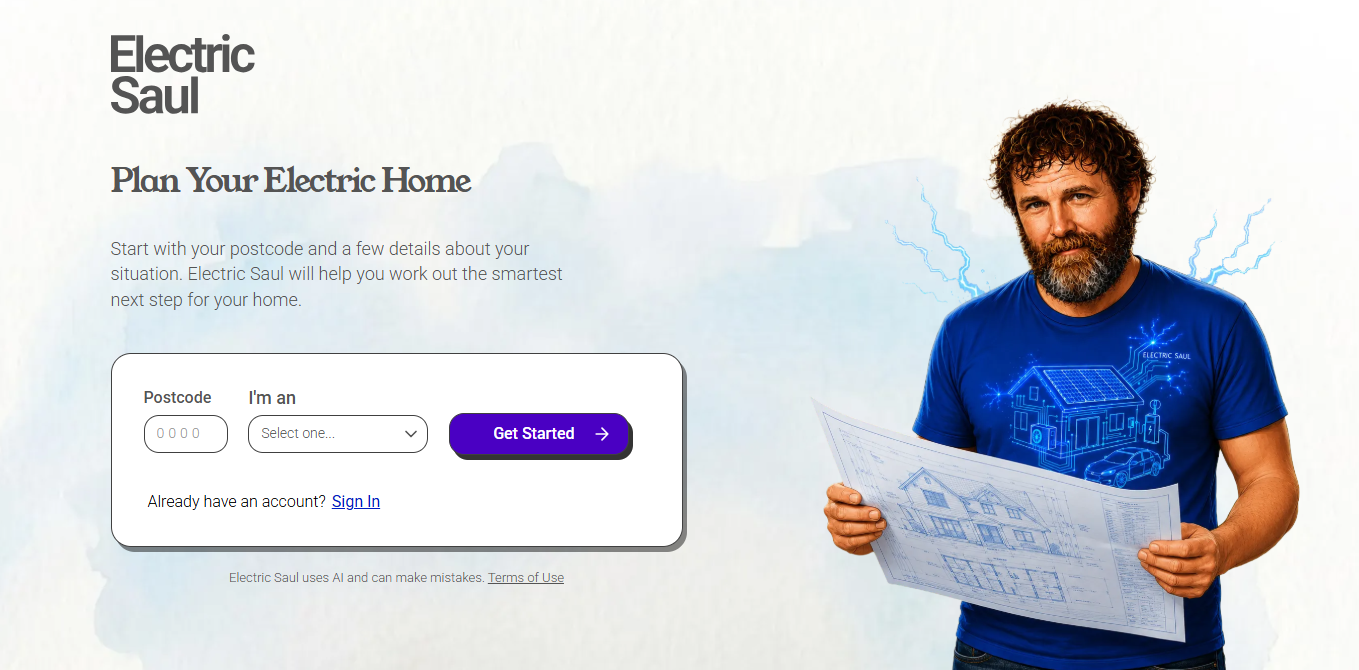
Vessev keeps on flying with a $32 million funding round and more international orders; Golden Bay Fruit and Alsco look up to try and get a competitive advantage; there's a 96% approval rating among EV owners and the cops like their EVs too; Woolworths unveils a purpose-built charging hub at Penrose for its electric deliveries; Bev might take a bit of getting used to; desperate times call for clever measures in Cuba as three-wheeled solar powered scooters start collecting trash; and meet 'Electric Saul', an AI version of real Saul Griffith that offers electrification advice.
Read more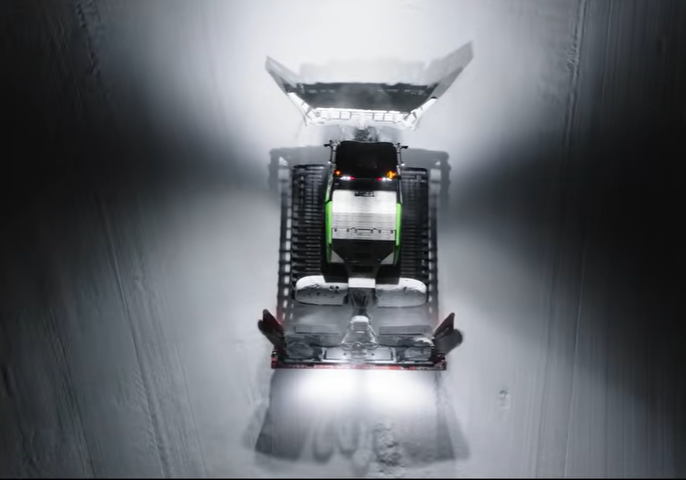
How the grid handled record electricity demand - and why this time was different; Mt Hutt heads toward an electric future (and a new electric snow groomer should be on every ski field's list); Naut and Rayglass partner up to launch a new electric boat; solar reaches a major global milestone and California sets a solar record; an 'energy positive' prototype vehicle powered by the sun; and The New York Times sees the electric transition in action on the roads of Pakistan.
Read more
Cooking with cars at Fleet Days; 'the best petrol car has already been built, but EVs keep getting better; New York looks to improve air quality and reduce noise by electrifying its 20,000 food carts; Kea Aerospace announces a new facility to build its Atmos 2 solar-powered plane; 'green steel' gets closer with Glenbrook's electric arc furnace and local start-up Cullbeck setting up alongside; the pros and cons of replacing lithium with sodium in batteries; and 'aquavoltaics' could be a thing as a massive project in China combines an offshore solar farm with a fish farm.
Read more
Ministry for Regulation review hits all the right notes while 'Seymour Solar' only just fits in the Crown limo; solar is more popular for low-income homes, which is why we're pushing for better access to finance; there was record electricity demand this week and the lights stayed on but homes will play a big role at peak time in the future; Santiago's electric bus crusade; some electric innovation captured in the forests of the Central North Island; Snow Planet looks to the sun to save money on energy; a Swiss hydro dam adds some extra generation in a unique way; and Toby knows watt's up when it comes to energy.
Read more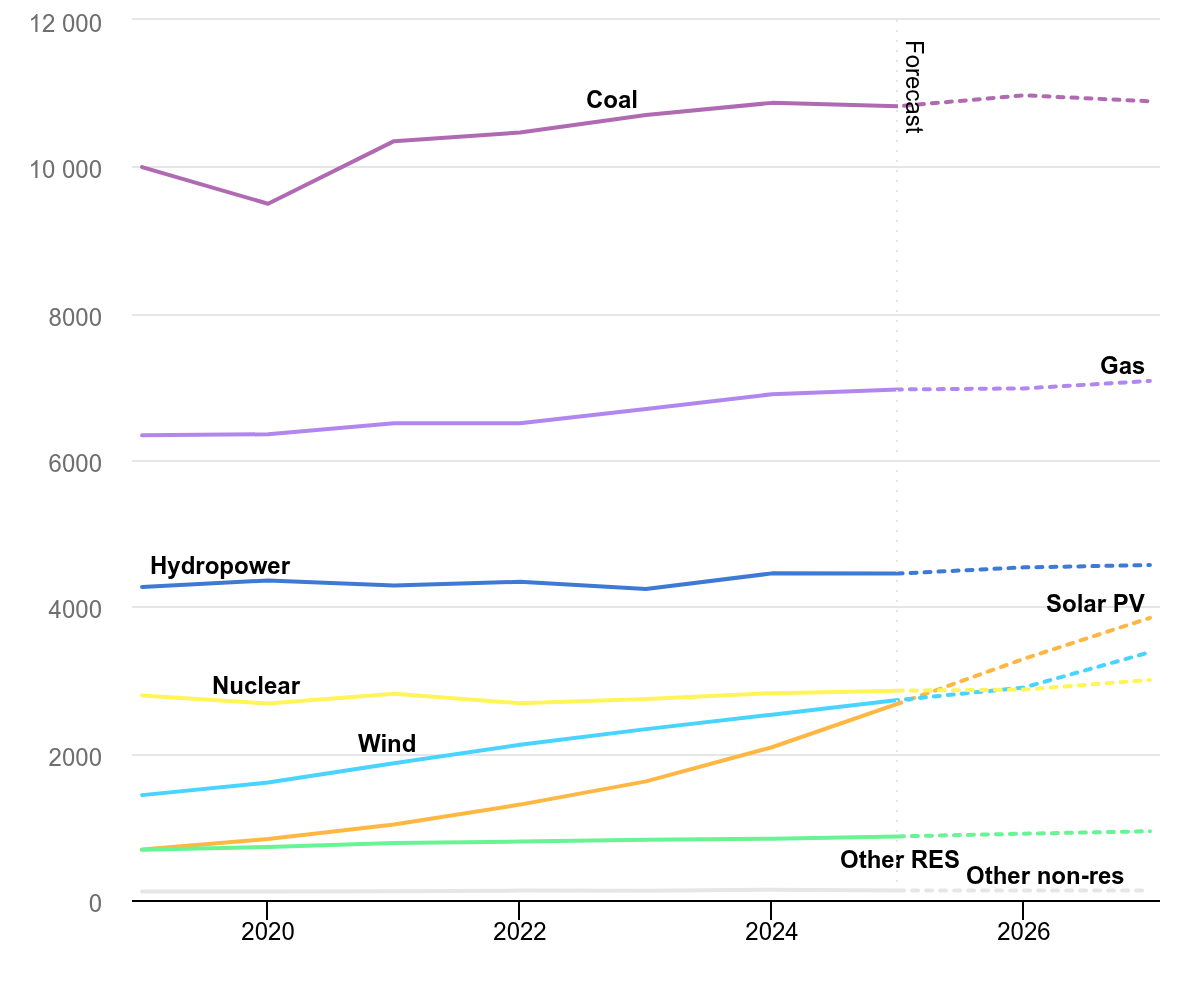
The Age of Electricity continues to ramp up and solar and wind are providing the extra juice; ASB releases a report on why businesses need to take energy into their own hands, but Mitre 10 Mega in Silverdale and the Christchurch Art Gallery already know that; global EV sales continue to rise and two-way charging is a massive opportunity, according to the World Economic Forum; research shows (and anecdotal evidence confirms) that concerns about battery longevity of EVs are unfounded.; The Spinoff's Robbie Nichol uses our explainer to explain plug-in solar; there's no need to heat rooms when you can heat humans directly; and some truly remarkable features from Zeekr and Xpeng.
Read more
The only way is up for solar as New Zealand hits 1GW (but the powers that be still keep underestimating its appeal, as they have done consistently and almost comically around the world); the only way is down for bills in electric homes, as the Eye Surgery in Hastings and financial commentator Frances Cook explain; veteran environmentalist Bill McKibben talks to Ezra Klein about the economic forces pushing the world towards solar - and what's slowing it down; Pitcairn Island ditches the diesel, while the Vatican aims to get all its energy from heaven, rather than hell; and can you run an off-grid workshop with old vape batteries?
Read moreWhether it's the growing number of electric buses, new electric trains for the lower North Island and City Rail Link, or new electric ferries, we love seeing more electric transport options in our big cities. It's also good to see some of our smaller cities like Palmerston North, Timaru and Nelson going electric and, as is almost always the case, the drivers reckon it's better on electrons. At the Electrify Nelson expo, we spoke with one driver Lee about the city's electric buses. And he definitely wouldn't go back to diesel.
Read moreRoger Robson-Williams owns 20% of New Zealand's electric tractor fleet. That sounds impressive, until you learn there are only five of them. But, like his fellow electric tractor enthusiast Mike Casey, he's on a mission to change that by providing a bit of inspiration and information.
Read more"Free money!" "Free power!" "Bloody good!" Landlord Harry Pearson and his tenant Lenny Wills are living in a win-win world and, as they told Rewiring's Matt Newman at the Electrify Nelson expo over the weekend, it’s all down to solar.
Read moreThe Vatican is aiming to be the first solar-powered 'nation' and, as solar advocate Bill McKibben likes to say, there are plenty of churches around the world generating energy from heaven rather than hell. One of them is the Discovery Christian Centre in Hamilton East, which has 48 panels on its roof.
Read moreResearch overseas has shown that gardening gear can be a gateway drug for electrification. People often start small with a lawnmower or a weed eater, figure out that the tools perform better than petrol equivalents (without the fumes, noise or starting issues), and then they gain the confidence to upgrade some of the larger machines in their home. Mike Casey uses electric Stihl tools on his cherry orchard and he was like a kid in a candy shop at the Fieldays tent looking at all the new electric toys on offer. Just a couple of years ago, Stihl's product manager Phil Needham says it would have been full of petrol products, but now it's mostly batteries. There are still some petrol options for "the diehards", but it's clear where things are heading.
Read moreIt's normally very difficult to fuel up when you're flying, but the aircraft developed by Christchurch company Kea Aerospace makes it look easy because it relies on the big nuclear fusion reactor in the sky.
When Mike Casey bought his house near Cromwell, it came with gas bottles on the side of the home for water and an expensive diesel system for the underfloor heating. He replaced both of them with a Steibel Eltron system and it's been saving him money ever since. As technical manager Bhawesh Singh told him at the Electrify Queenstown conference, there has been a big influx in enquiries from homes looking to get off the molecules and onto electrons.
Read moreSolar and storage on farms has been going off like a frog in a sock recently. And Federated Farmers has made it a big part of its election manifesto. While Wayne Langford recently missed out on a fourth term as president, he's a Bright Spark in our books for all the work he's done to get this issue on the political radar and help speed up adoption.
Read moreWhether you're monitoring gates in the back of beyond or powering your milking shed, solar and batteries can help farmers do the business these days and, as Morgan Brodie from Lusty & Blundell says, the products it offers go from one end of the spectrum to the other.
Read moreThere's a fair bit of money sloshing around the rural sector at the moment and we've been trying to convince more farmers to spend some of it on solar and batteries - and for the Government to change the rules so that more farmers can play a role in the energy system. Matt Luscombe, the CEO of FarmGen, is helping with that.
Read moreSupport us
Your donations help our team keep the momentum of rapidly electrifying Aotearoa New Zealand within our key focus areas of community, government and industry.
.avif)
.avif)
.avif)

Our Newsletter
Stay informed about our work and discover various ways to contribute to enabling rapid electrification. Join our vibrant community of like-minded individuals.
Check out our privacy policy here
Contact us
hello@rewiring.nz

.avif)