Don't listen to Old Man Gas. Ditch LNG. Support New Zealand-made energy!


Rewiring generally supports the improvements proposed in the Bill, and seek that the scope of these improvements be expanded to include the legislative changes required to enable the Ratepayer Assistance RAS due to the significant infrastructure and cost of living improvements this innovative financing RAS unlocks.
Rewiring Aotearoa is an independent non-partisan non-profit, funded by New Zealand philanthropy. It is a registered charity working on energy, climate, and electrification research, advocacy, and supporting communities through the energy transition. The team consists of New Zealand energy, policy, and community outreach experts who have demonstrated experience both locally and internationally. We’re always fighting for the New Zealanders who use the energy system, and our goal is to help build a low cost, low emissions, high resilience electrified economy for Aotearoa New Zealand.
The overall opportunity
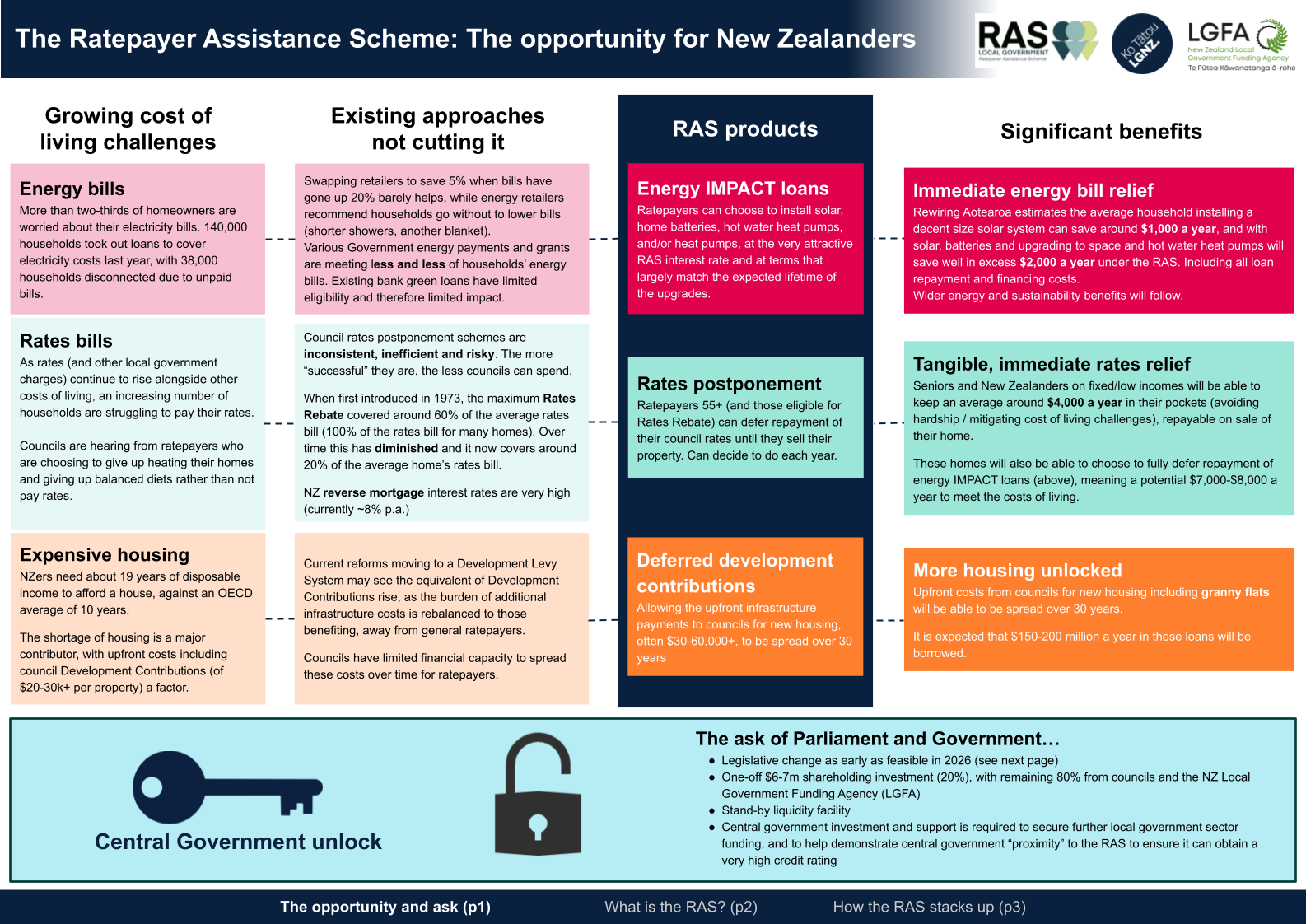
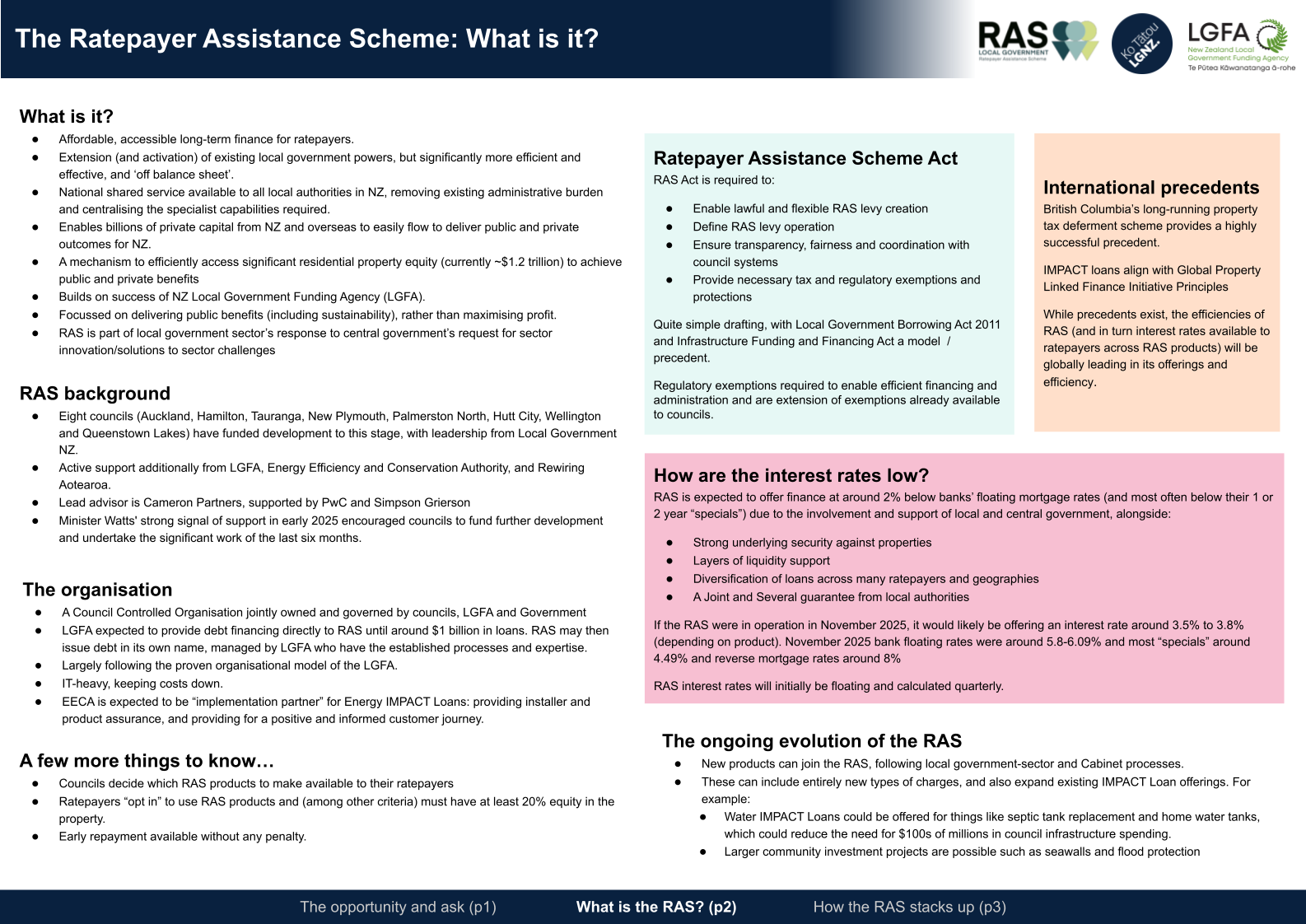
The Ratepayer Assistance Scheme (the RAS) is an innovative financing tool offering low-interest long-term loans, developed to assist ratepayers and developers in paying for:
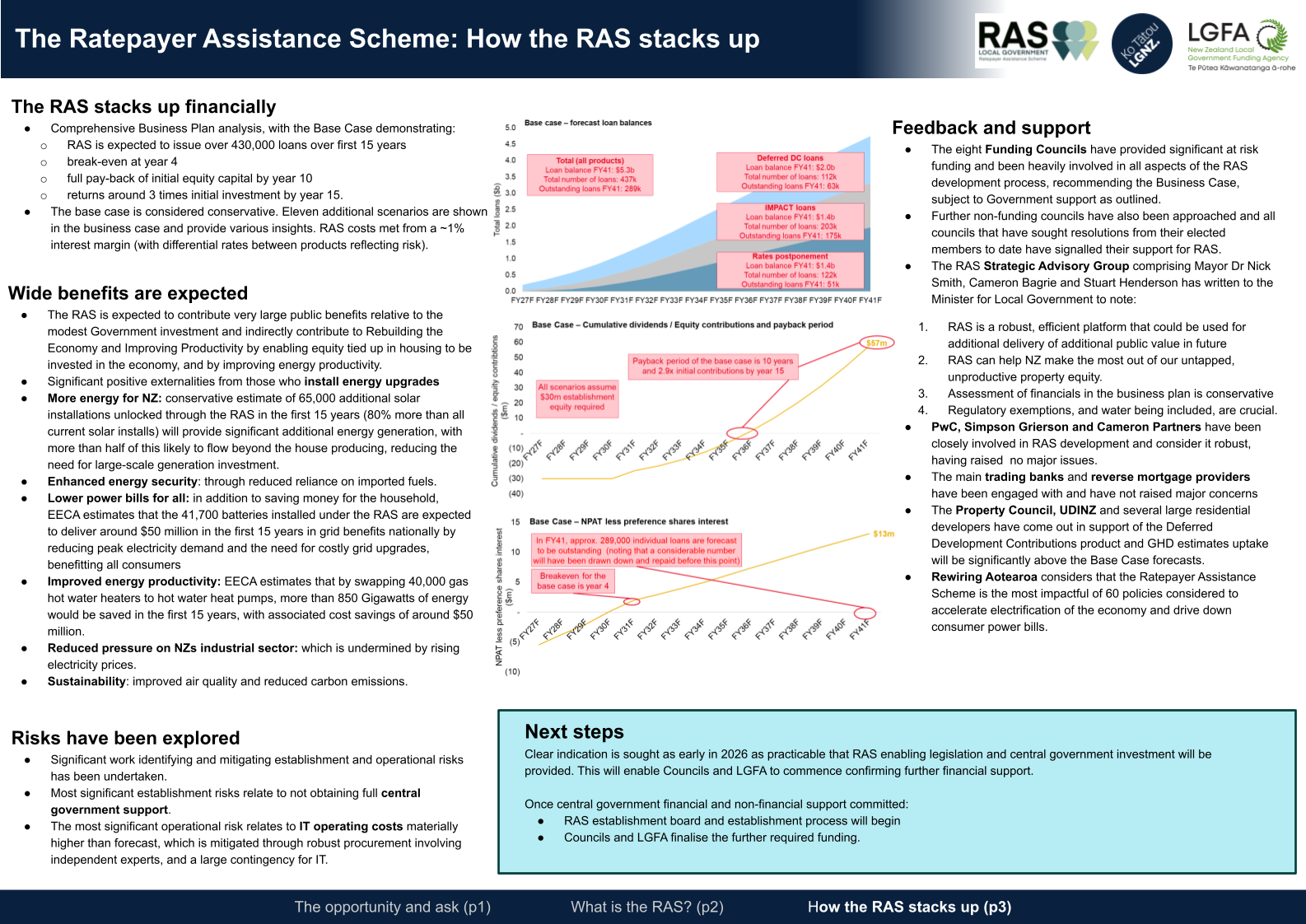
The RAS would be a flexible and incredibly efficient financing platform, able to provide financing for future infrastructure needs and/or council charges. If in place today, the RAS would likely be able to offer finance at 3.6%.
An three-page overview of the RAS is provided as Appendix 1.
A well considered, developed proposal including a full business case has been completed and is with the Government for consideration. Should this Committee advance the required changes through this Bill, the RAS could be up and running and distributing loans in September this year. This would enable many thousands of households to save and have thousands of additional dollars available to meet their costs of living before the end of 2026.
Rewiring’s main interest in the RAS is the energy opportunity the RAS offers. From our research and thousands of conversations, we know there is significant latent demand for solar and electrification: if the major barrier of upfront cost were removed, many more New Zealand households and businesses would install solar and electrify their lives. This RAS can eliminate that major barrier and enable almost every family to install solar and electrify, should they choose.
Cost of living
There is an urgent need to reduce the cost of electricity to New Zealand households.
In the year to October 2025, electricity prices were up 11.8% and gas up 14.4%, with electricity prices expected to increase around 30% before the end of the decade.

Even before recent rises, 67% of homeowners were worried about their electricity bills, and 45% were already experiencing significant financial strain. The month to 31 July 2025 saw more than 31,000 customers enquire about payment deferral or flexibility, a 60% jump in a single month and the highest on record by more than 8,000. The Electricity Authority recently advised around 40% of households are afraid they are going to be unable to pay their electricity bills in the coming year.
The impact is most severe on low-income households, with those in the lowest income decile spending over seven times more of their income on electricity than those in the highest. Consumer NZ estimates that 140,000 households have had to take out loans to cover their electricity costs, and 38,000 households have been disconnected at least once in the past year due to unpaid bills.
These costs aren’t just affecting households, they’re costing the Government as well. In FY24/25, over 900,000 households (62% of whom were superannuitants) received the Winter Energy Payment at an annual cost of $577 million. On top of this, the Government provided almost $19 million in hardship grants to help New Zealanders cover their power bills, averaging more than $500 per grant. This does not look at the health system and wider economic productivity costs.
These numbers show the scale of the problem, and why reducing household energy costs must be a priority. Solar and electrification can provide significant assistance in lowering household energy costs, as detailed in various pieces of work by Rewiring, the Energy Efficiency and Conservation Authority and others.
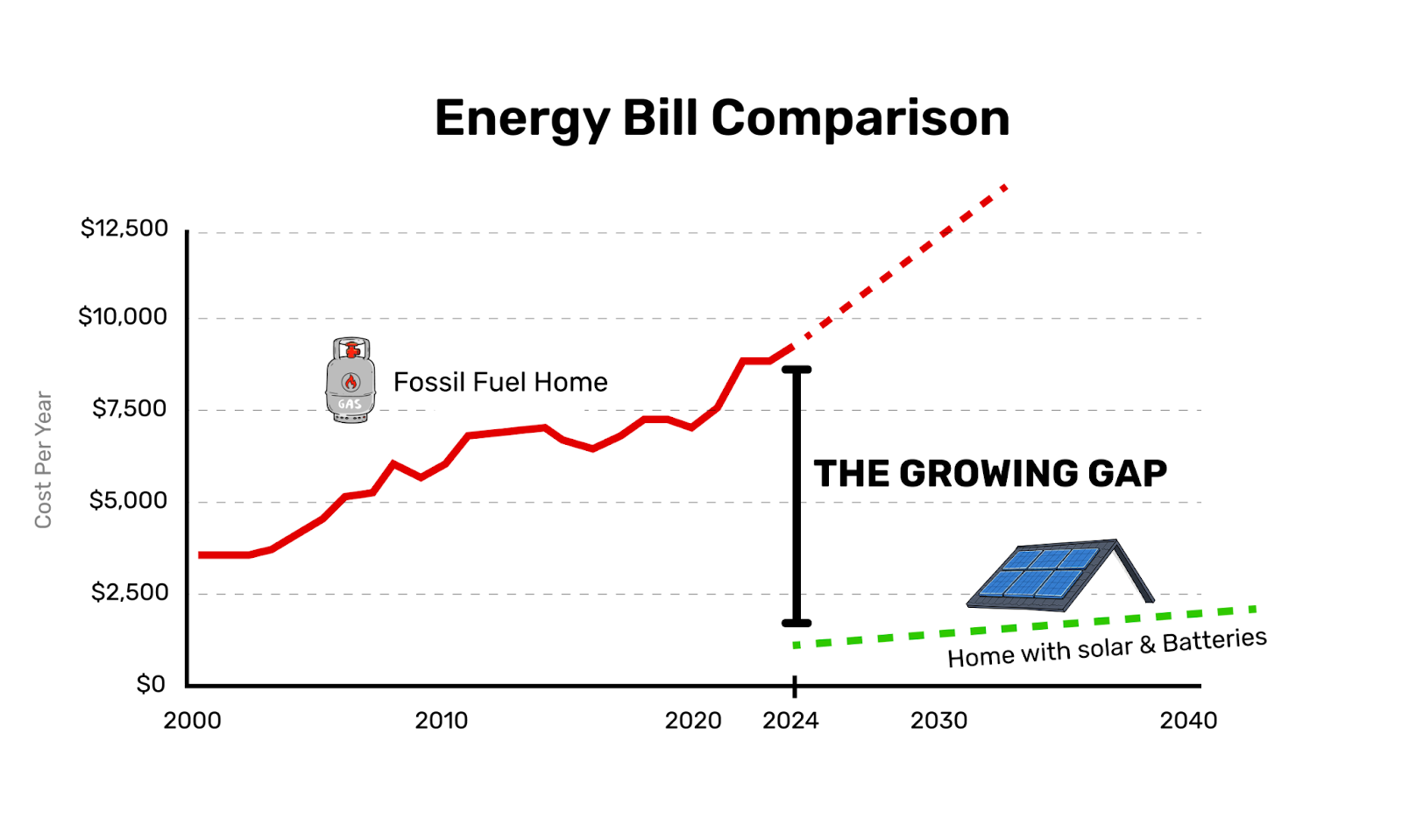
Rewiring modelling currently being finalised demonstrates the average household:

These savings will be felt from the first month of an installation, providing immediate cost of living relief.
The other two proposed elements of the RAS are also expected to provide cost of living relief: immediate cost of living relief with the Rates Deferment (an average of $4,000 per annum) and downward pressure on housing costs with Deferred Development Levies. With Rate Deferment, eligible households that take the opportunity will be able to save
Energy opportunity
There is broad agreement that it is in New Zealand’s interest for distributed energy resources (such as rooftop solar and batteries) to play a much more significant role in our energy system. For example, the Electricity Authority’s Working together to ensure our electricity system meets the future needs of all New Zealanders focussed on decentralisation and the need to collectively pursue the opportunity a network of flexible, locally optimised energy systems connected through a strong grid offers New Zealand. Te Waihanga, New Zealand Infrastructure Commission recently noted “As investment in decentralised energy resources and demand flexibility expand, they will offer increasing value across the energy value chain, including the wholesale market, management of transmission and distribution networks, and customer services.”
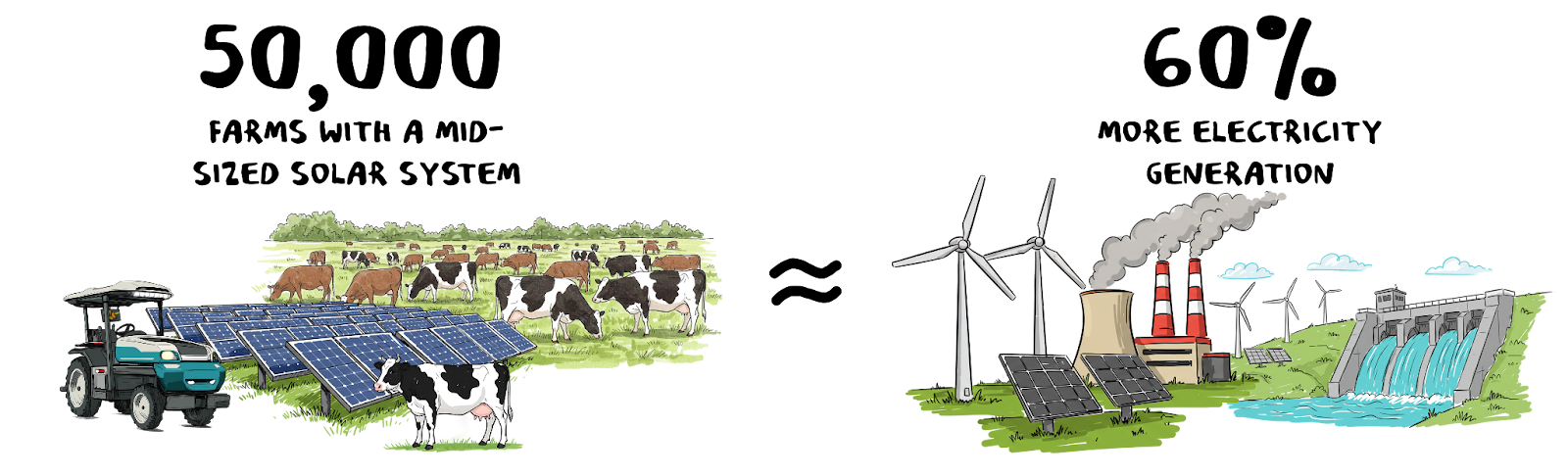
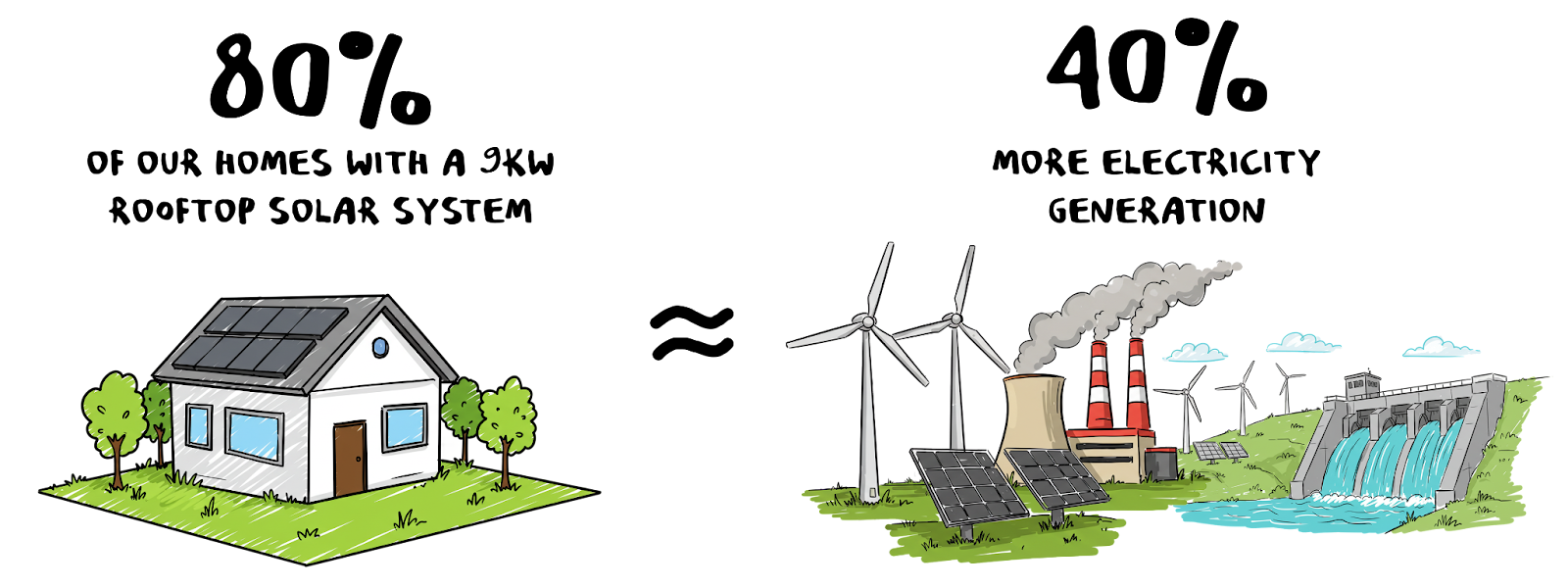
New Zealanders can play a major role in this better energy future: 80% of household rooftops with a 9kW solar system would provide about 40% more electricity generation and all our farms with a mid-sized farm solar system would provide another 60% more electricity generation. Meaning New Zealand could double its electricity generation with high, but realistic, uptake of distributed solar.
A lot of a little is a lot.
An important point around distributed solar is that households and businesses are choosing to install it because it saves them money. Meaning this extra generation is not needing to be paid for by other consumers, who nonetheless benefit from lower bills as there is more energy in the system. We have seen in Australian rooftop solar uptake pushes wholesale electricity prices down, lowering everyone’s bills, with some states now offering households three hours of free power in the middle of the day regardless of whether or not the household has solar.
Some of the many more benefits of electrification and solar are explored in Appendix 2. Rewiring Aotearoa considers the RAS the biggest action required to unlock all of these significant benefits.
There are a range of market failures with respect to household energy resources in New Zealand’s electricity market, the wider energy market, and the finance and capital markets that warrant Government intervention. These market failures are discussed in Appendix 3.
The main barrier for the RAS is minor legislative change. Legislation is required to four broad areas requiring legislation are to:
Significant further detail on each of these four areas exists and can be made available to the Committee. External legal resources already familiar with the legislative requirements of the RAS can be made available to support as necessary depending on the capacity of the Parliamentary Counsel Office, There is existing precedent for all the legislative provisions and regulatory exemptions required.
The Infrastructure Funding and Financing Act 2020 (IFFA2020) provides “a new funding and financing model for the provision of new and upgraded infrastructure for housing and urban development. The Act enables infrastructure projects to be delivered free of local authorities’ financing constraints or from charging high upfront costs to developers.” The RAS is entirely aligned with general purpose, by providing additional new financing options for housing and infrastructure that are not constrained by council financing constraints.
The broad policy intent of the omnibus bill “is to improve infrastructure funding and financing tools to support urban development.” The RAS does this, and more, by supporting housing and consumer energy infrastructure wherever it is located.
While the IFFFA2020 and this Amendment Bill currently focus on larger scale infrastructure, the reality of our energy system and current technology means small-scale infrastructure can, and should, make a significant contribution to our large-scale energy challenges as discussed above.
Alongside the strong policy alignment, the very tight legislative programme for 2026 and urgent rising cost of living concern for many households make this Bill a pragmatic legislative vehicle for what is required to enable the RAS in the timeframe New Zealanders need. As the RAS is directly related to the broad policy, it should be enabled through the omnibus Bill.
Beyond aligning with this Bill, the RAS fits strongly within the Government’s Budget Policy Statement as it is disciplined public spending as it will deliver significant new energy generation (likely delivering more energy in the medium-term than direct subsidies of several hundred million dollars to households and businesses could deliver alone). In medium-long term it is expected the RAS will be fiscally positive for the Crown due to the positive direct returns from the Crown stake in the RAS, but also due to productivity gains and improved balance of trade through reduced fossil fuel imports
We have spoken to thousands of individuals and hundreds of businesses who are incredibly enthusiastic about the RAS. We have received explicit support for Energy Impact Loans and the RAS from over 200 organisations, businesses and individuals.
These supporters range from Mindful Money and the Sustainable Business Network, to Te Matapihi He Tirohanga Mō Te Iwi (national peak body for Māori housing) and Mana Tahuna. Dozens of local and national solar installers, electricians, and electrotech companies have come out in support.
Electricity retailers Toast and Octopus support the RAS, and Electricity Distribution Board Aurora and Vector are in support of Energy Impact Loans, with Vector stating:
Vector supports the Ratepayers Assistance Scheme and the extension of Energy Impact loans to all rateable properties. Enabling more homes and businesses to invest in rooftop solar and batteries strengthens the energy system for all of us and delivers benefits from bill savings to disaster resilience. Offering loans across income levels ensures the people who need savings most can access them, improving energy equity. If the scheme goes ahead, we’ll continue to support our customers with an innovative network that integrates with distributed energy resources (DER).
Community groups and organisations in support include 30-odd local Electrify groups, Wao Aotearoa, Sustainable Taranaki, Wānaka Upper Clutha Community Board, Nelson Tasman Climate Forum, and Waiheke Resources Trust. National climate and sustainability organisations supportive include Kiwis in Climate, 350 Aotearoa, Environment Hubs Aotearoa.
While many members of the 36 community-based Electrify groups associated with Rewiring have been able to afford/finance solar and other machines, they recognise they are privileged in this ability. They are excited that the RAS will make these technologies and cost of living savings available to all rateable properties, as they want all their neighbours to access the benefits they themselves have accessed.
Individuals in support include influential New Zealanders and are too numerous to list!
There will be many more companies and organisations supportive of the RAS that we’ve been unable to take the time to sit down with and explain the RAS to.
Staff from all major banks and several smaller banks have been spoken to. Those spoken to are overall positive about the value of the RAS for New Zealand, confident in the ability of their systems and processes to adapt to the RAS and have raised no major issues.
Rewiring Aotearoa endorses the submission of the Ratepayer Assistance Scheme Steering Group, which focuses on proposed Deferred Development Contribution product through the RAS. While the proposed Deferred Development Contributions shares many characteristics with Special Purpose Vehicles through the IFFA2020, but for many developments will be significantly more efficient than Special Purpose Vehicles (as explored in more detail in that submission).
The third proposed initial component of the RAS, Rates Postponement, provides councils a new financing option for ratepayers that, in turn, provides councils a more secure flow of capital for council-provided infrastructure and services.
The underlying legislation requirements for both Energy IMPACT Loans and Deferred Development Contributions are the same and fit well within the IFF Amendment Bill.


Solar in particular can immediately help reduce energy hardship and alleviate cost of living stress. Energy hardship costs the health system tens of millions per year on physical health issues such as asthma, and also increases the risk of severe mental distress. Energy hardship has further wider economic impacts that are difficult to assess
With central government currently spending nearly $550 million a year directly supporting households to afford their energy bills, there are also potential fiscal benefits from Energy IMPACT Loans being delivered through the RAS. We have yet to see any other policy intervention that can deliver the average savings to households of $1,000 per year that financed rooftop solar can, at no long term cost to the government.
Growing demand for electricity puts further strain on transmission and distribution lines and some local networks, which are already nearing capacity, especially during peak times. Transpower and electricity distribution companies (EDBs) continue to actively plan and obtain permission to fund line upgrades. The largest likely rises in consumer bills over the coming decades are expected to come from upgrades to NZ’s distribution infrastructure. Boston Consulting Group estimates these costs to be $65 billion over 25 years.
However, household batteries and solar offer an alternative that can in many instances deliver the same outcome at much lower cost to NZ.
A lot of a little is a lot. If 10% of homes - around 200,000 - had solar and battery storage exporting to the grid, this would equal the peak response of the Huntly power station.
This can be done. Australia is currently installing 1,000 household batteries a day, and nearly 40% of homes have solar. Even at our currently low installation of residential batteries, by 2030 there would be 280MW of residential batteries, the ninth largest power station in NZ. Household, farm and business solar and batteries therefore can have a positive impact not just on the individuals saving money from creating and storing electricity, but on the system overall through increased supply and reduction in peak (lowering network costs, discussed below).
When a battery is installed, it lowers the peak of the household or business using it. This effectively enables more electricity to run on the same network assets and more households to be served by them. The addition of battery storage can therefore delay or prevent the need for expensive grid upgrades and enable us to get more out of our existing assets.
Household solar enables more energy generation into the energy system. This reduces the need for additional generation to be built and grid infrastructure to deliver that energy over long distances, therefore lowering future system costs.
Because solar and battery adoption happens household by household, the real question is timing: will enough homes add solar and storage before network companies commit to building costly new grid assets?
If the adoption can be encouraged to happen earlier, it could save billions in energy infrastructure investment. A more flexible electricity system, including many more household batteries, could save New Zealand up to $10 billion by 2050 and keep power bills lower by as much as 50%. These savings are for every household on the network, in addition to the specific savings for households that install solar/batteries.
Work in Queenstown examining how to meet future energy demand and increase resilience has compared the opportunities for solar and batteries to delay or displace the need for a second transmission line, which could cost an estimated $720 per annum per household. Rewiring’s analysis suggests such a deferral could save the community tens of millions of dollars.
A recent report showed that if 6,000 Queenstown homes (around a third of existing homes) installed 5 kW of solar and 25 kWh of battery storage, it would be enough to meet peak winter demand even for extended periods of cloudiness. It would also defer the need for a new line by 2-4 years, and that deferral of 3-7 years is possible with solar, batteries and demand flexibility in a high demand growth scenario and more than 7 years in a non-high growth scenario.
Another recent report found that even if less than 7% of new household builds around 2033 had a 7 kW solar system and 10 kWh battery, this would be enough to provide energy security for a 24-hour period during peak winter demand, and 80% of new builds around 2050 would be enough to provide 8 hours of such energy security. Adding solar and batteries to existing housing stock, as is already happening in Queenstown, reinforces that significant delay or even displacement of investment in lines and grid infrastructure may be possible (and economically beneficial for the households that install, alongside benefits for all households).
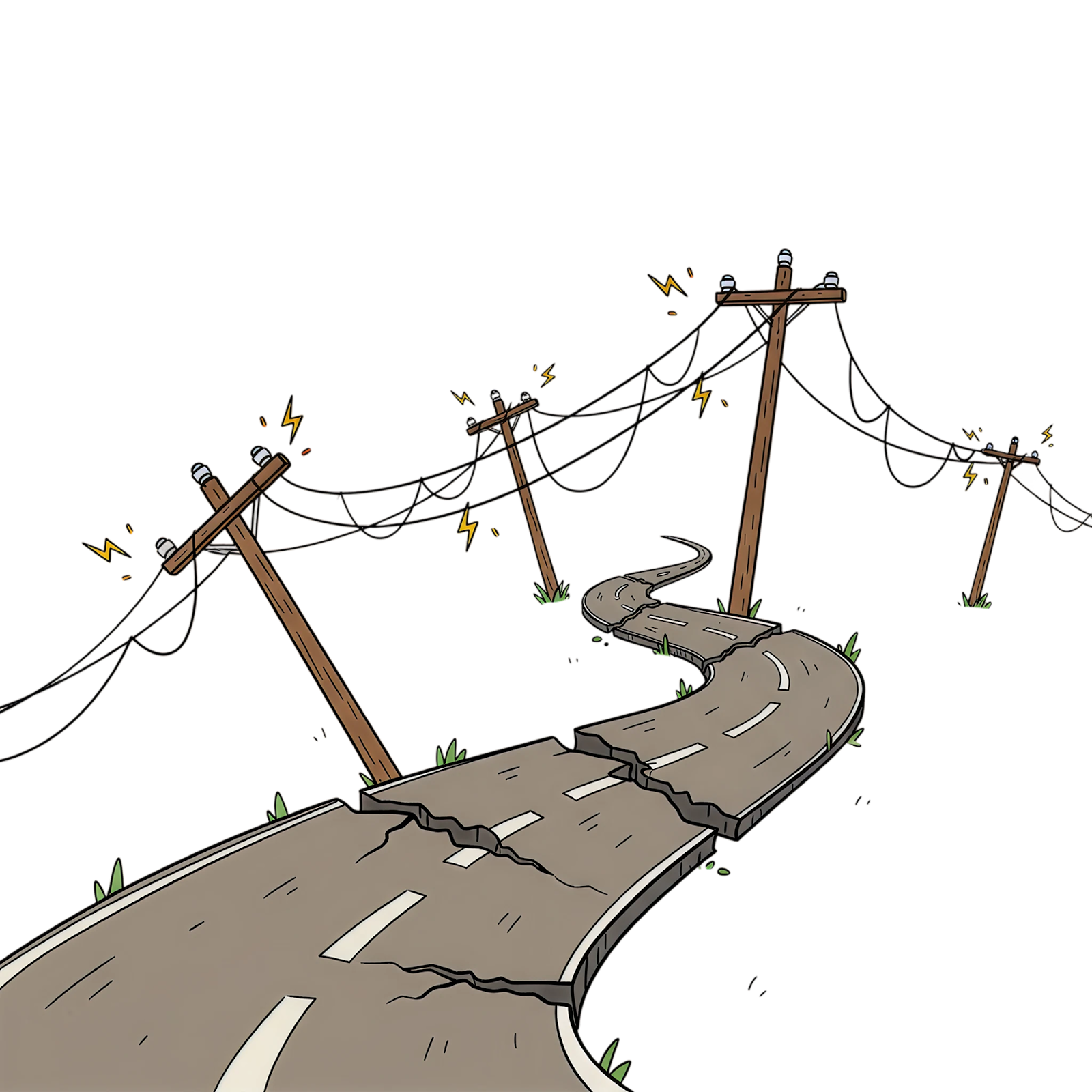
Following events like Cyclone Gabrielle households with solar power and batteries were able to continue to operate as usual and also provide vital services to their communities – like cooling, cooking, charging and communication. As noted in the draft DPMC and MfE Long-Term Insights Briefing, we can expect events of this severity more often.
This resilience provides critical services in times of crisis. This enables food to be kept chilled/frozen and cooked, communication and, importantly, reduces the demand on emergency and medical services to support households that are medically dependent on electricity (such as for home dialysis and breathing support). This is important, as nearly 10% of all residential connections are registered as medically dependent on electricity.
If homes own electric vehicles, it will allow them to travel for extended periods of time while the network is out, and provide a crucial transport lifeline if fuel deliveries are cut off. For example, an Alpine Fault 8 event in Queenstown could cut the town off from petrol/diesel supply by road for several weeks or months. In these situations, electric vehicles could recharge from household / local solar generation and provide vital transport and access to households and communities.
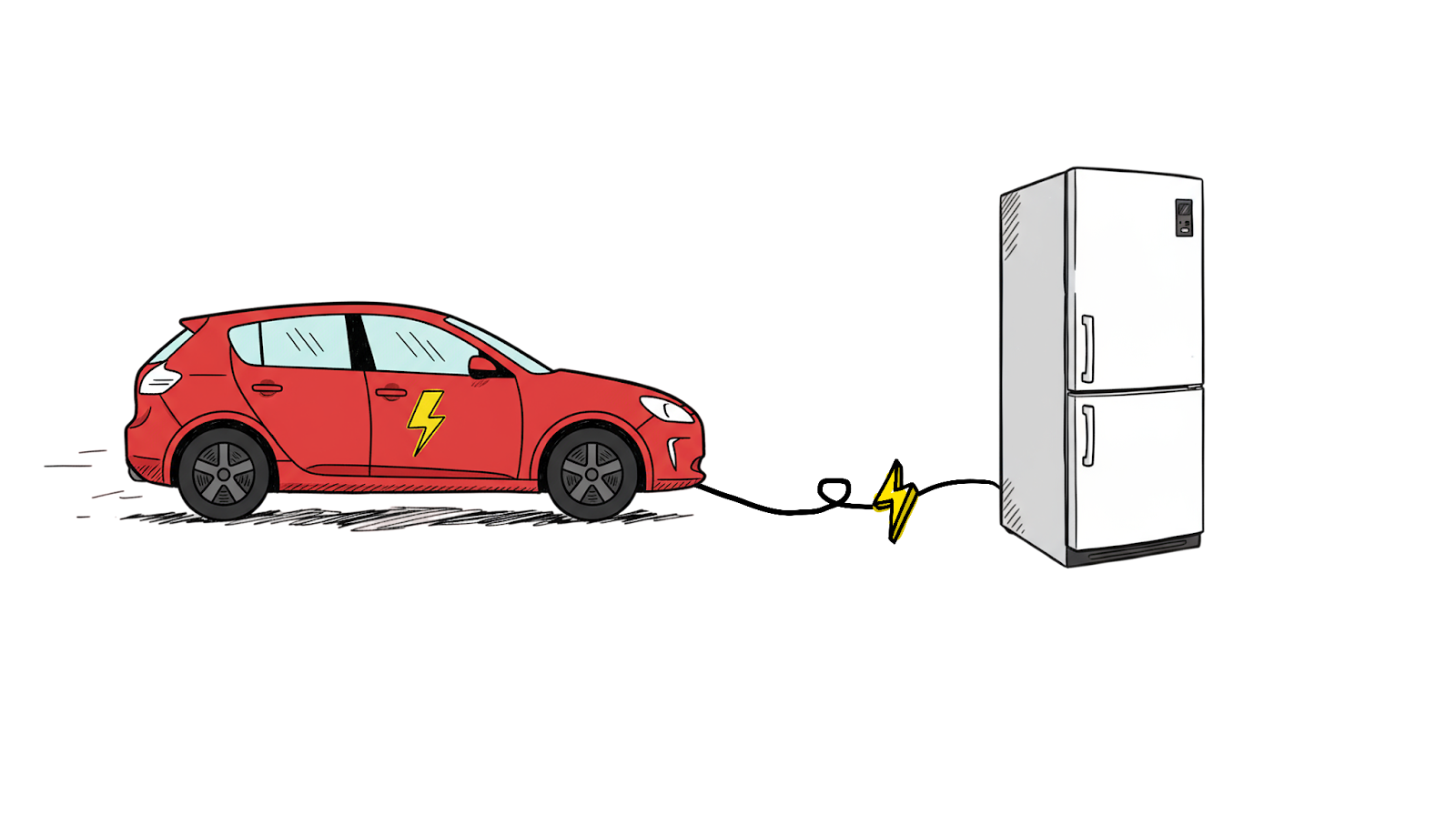
We have also recently seen the benefits for rural resilience, with some farms that have solar and storage in Southland able to continue milking and keeping keeping that milk during the October weather event. Such farmers were also able to offer their neighbours hot showers and fresh food.
Especially relevant this month is the role solar can play in a dry year. While solar isn’t a silver bullet for the dry year challenge, with the sun shining more in a dry year solar generates around 11% more in April to June than it would in an average year. Half of our homes with solar would have equated to an extra 18 days of hydro storage in 2024. This equates to 225GWh of extra production in a dry year. This 225GWh is 5% of New Zealand’s total hydro storage capacity. Five percent or 18 days may not sound like much, but when storage bottomed out in 2024, all else being equal this would have more than halved the wholesale price at the worst time of the crisis, lessening the crippling impact on many industries of such wholesale price spikes.
Emissions from energy decisions made by households account for approximately 15% of New Zealand’s total emissions, or around 31% when excluding those emissions embedded in exports. NZ is on track to face a $3–$24 billion cost from having to buy international carbon credits to meet our 2030 Paris targets. Over 25% of Aotearoa NZ’s gross carbon emissions come from small fossil fuel machines, which can be replaced by existing technology today. If all homes electrified all their fossil fuel machines by 2040, around 10 million tonnes of emissions would be saved annually (105 million tonnes saved cumulatively between 2024 and 2040).
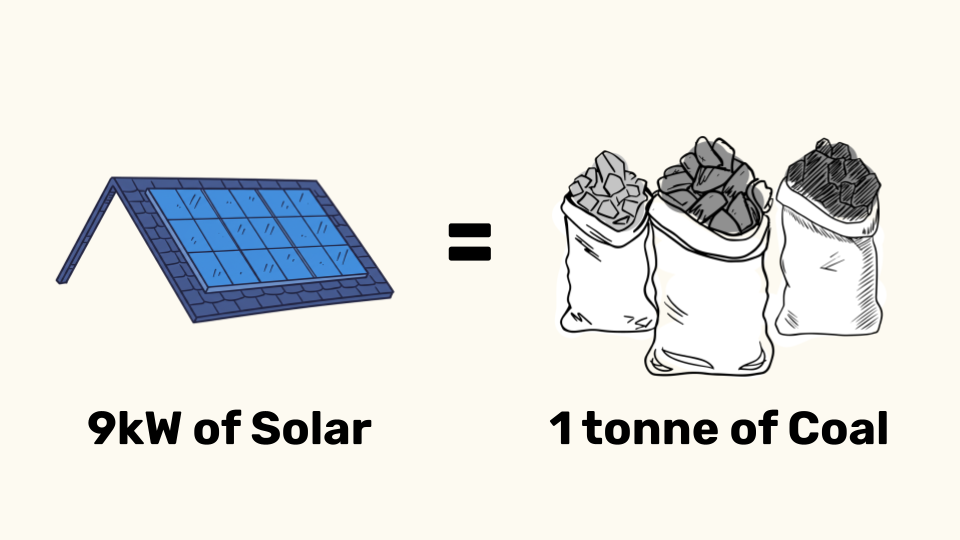
The more homes that install solar, the greater still the emissions savings. With last year’s deal to add an extra 600,000 tonnes of coal to the stockpile at Huntly Power Station, the total will reach 1.1 million tonnes, or about 110 days of running all units at Huntly. Avoiding burning those 1.1 million tonnes of coal can avoid 2.75 million tonnes of emissions. While another dry year will mean that is not possible, every household with solar means we are burning less coal, with the average home with solar’s 23kWh production for in winter the equivalent of 13 kg of coal, or around a tonne of coal every 77 days per home with solar.
The International Energy Agency recently found that one large container ship full of solar panels “can provide the means to generate as much electricity as… the coal on over 100 large ships”. With around 200,000 tonnes of coal on a large coal ship, if five similar sized ships were used to deliver solar panels instead of the coal for the stockpile, it would deliver many, many decades more electricity.

Household solar and electrification create local jobs
Installation of solar and electrification of our households requires skilled professionals. While certain parts of installations are limited to electricians, there are also opportunities for roofers and general builders to take on significant amounts of solar installations. Additionally, every million dollars spent in New Zealand on electrification rather than overseas on coal could create around eight jobs, with that extra 600,000 tonnes of coal imported equating to around 1,000 jobs for one year if the money had been spent domestically.
As the supply of gas continues to diminish, gas prices will increase and push even more households into energy hardship. The upfront cost of switching from gas to electricity will be a barrier to some households, risking them being locked in to ever-increasing gas prices. Finance can support households to switch off gas when they consider the time is right.
An abundance of solar, alongside different management of our hydro assets, can additionally reduce the need to burn gas for firming of our electricity supply, and free up gas for industries that do not yet have viable economic alternatives.
Recent modelling from the New Zealand Green Building Council found “replacing gas and inefficient electric heaters with heat pumps could save up to 48 Petajoules of gas annually - nearly 40% of current production - and deliver net electricity savings of up to 4,000 GWh per year, enough to power over half a million homes. It’d also save New Zealand households up to $1.5 billion a year on energy bills.” While these savings figures are based on the conversion of more than just residential heating and may overstate the percentage of current gas production that could be freed up, they point generally towards what is possible.
Significant take-up of rooftop solar and batteries is likely to be both anti-inflationary, and bring incredible price stability to households. Operational household energy costs for the expected 30-year life of solar panels will not only be significantly lower, but also entirely stable as with solar, households will be locking in the price of that energy for 30-plus years.
While there could be some short-term minor inflation driven by labour bottlenecks and rollout logistics, the solar installation industry can be expected to quickly scale and increase efficiencies, as was seen in Australia. As some of the required labour (roofers and builders in particular) is currently facing relatively weak demand, this may not eventuate.
In addition, increasing uptake of solar, and electrification of machines, reduces our reliance on imported liquid fuels, and improves our balance of trade. This allows cashflow to be retained in New Zealand, and has flow on effects like a stronger NZ Dollar which can help households with inflationary pressures by making imports cheaper.
There are a range of market failures with respect to household energy resources in New Zealand’s electricity market, the wider energy market, and the finance and capital markets. These warrant Government intervention, including supporting Energy IMPACT Loans through the RAS. Key relevant market failures are discussed below.
In addition to these, other market failures are at play, including information asymmetry, further regulatory/policy gaps and behavioural barriers. These are less relevant to the case for Government intervention to enable the RAS, and not explored here. The below is focused on solar and batteries in particular, with additional market failures at play with electrification more generally.
Household solar and batteries have significant positive externalities that are not always reflected in the finance market, nor adequately elsewhere such as the electricity market. As outlined in the first section above, these include:
While difficult to quantify, these benefits are significant.
These positive externatilities are also not adequately reflected in other ways, such as electricity buy-back rates. Addressing the up-front barrier, rather than small per unit future, is likely to be much more effective in enabling households and businesses to install the infrastructure required to deliver these public benefits.
As outlined earlier, solar, batteries and electrification is economically efficient. However, access to electrification is being blocked by inefficient access to capital. Further, this delayed uptake, caused by capital access issues, may end up costing consumers billions of dollars in unnecessary network investment.
Due to the scale and long-standing and stable perceptions of large-scale energy generation and distribution, big firms and organisations (like Transpower) can access long-term and relatively affordable finance through capital markets.
For the same underlying investment (e.g. solar energy production, distribution network services), households are unable to access such long-term finance. Household demand for long-term finance is not met, despite the broad social benefits that would be delivered.
This is due in part to:
There are institutional investors who would like to invest in long-term stable products to support household energy production and storage, but no existing mechanism for them to do so.
Government has actions underway to further facilitate the easy capital flows required for large private infrastructure, such as through InvestNZ (complementary to the National Infrastructure Funding and Financing agency that is aimed at public infrastructure projects). Such initiatives will play an important role in addressing NZ’s infrastructure deficit, but in isolation, improving access to finance for households will further the divide between small-scale infrastructure investment and large-scale.
Both are required to improve NZ’s energy productivity and resilience, and the RAS can play a role in enabling smaller-scale investment through provision of more affordable long-term capital.
Lines companies (EDBs) and Transpower, considered natural monopolies, currently receive guaranteed returns on capital expenditure through price-quality regulation. Consumer energy resources (e.g. solar and batteries) are able to provide some of the same services to communities, and at times are more resilient than what is provided by EDBs and Transpower. However there is no guaranteed return on investment for consumers who invest, meaning the regulatory framework implicitly biases/subsidises centralised network infrastructure over consumer energy resources.
Put another way, the regulatory environment for our energy and finance systems has not kept pace with the pace of technology. While regulators guarantee the returns on investment for energy companies, everyday New Zealanders are left with no guarantee when they invest in energy assets that can achieve the same results.
This exacerbates the capital market imperfection, as without the security of regulated monopolies, the risks for households are perceived to be higher and contribute to higher interest rates.
Old Man Gas will be featuring in a few newspapers and billboards this week discussing the proposed LNG import terminal. Not surprisingly, he has his justifications, but they don't stack up. It is a multi-billion dollar tax on Kiwis that many experts and sector players think is unnecessary.
Read moreDownload"The sentiment around making the electricity market fairer and cheaper for customers is great, but there's still something missing." That's Rewiring Aotearoa CEO Mike Casey's summary of Act's energy policy announcement today.
Read moreDownload