


.svg)
Release the pressure: how the EV Salary Boost scheme would help consumers, communities and the country
Around 1.8 million New Zealanders rely on a car as their main method of getting to work and plenty of them would love an EV, but the upfront cost often stands in the way - especially for low and middle income households who tend to buy older second hand cars. The EV Salary Boost scheme could help get more of the ‘middle million’ into an EV and save them thousands every year on bills, improve the country’s energy security, and reduce pollution - all at a lower cost to the Government than its current fuel subsidies. Here’s how it works.


.png)
New Zealanders have been slammed by recent petrol and diesel price spikes as a result of the war in the Middle East. And it’s not over yet.
Inflation came in at 4% year on year, the highest rate in two years, and high petrol prices accounted for about a quarter of the annual inflation rate. Lower income homes have been hit hardest by those price increases as they spend more of their income on fuel.

Price volatility comes with the territory when you’re reliant on imported energy and over half of New Zealand’s total energy comes from offshore.
This recent price spike is not an isolated incident, either, and petrol and diesel have risen at above the rate of inflation for decades. This reliance is a major drain on the economy and on households, and many expect fuel prices to remain high for an extended period given the world is in a period of geopolitical instability, global oil reserves are at all-time lows, and other trade chokepoints are now under threat.
As Finance Minister Nicola Willis said, we cannot control international events, but we can control our response to them. So far, those responses have been short-term salves that keep us strapped to the imported energy rollercoaster. But, unlike previous oil crises, there are now solutions available that reduce our need for fuel.
Some New Zealanders who have access to capital have decided to get off that rollercoaster and invest in electric vehicles. Sales are rising rapidly, but those who are least able to deal with these price spikes are often unable to get past the upfront cost barrier.
That’s why we’re backing a policy we're calling EV Salary Boost because it can help households get into a new or secondhand EV that runs on New Zealand-made energy and still save them thousands of dollars every year. Those micro benefits scale up to macro benefits for the country and permanently reduce our reliance on imported fuel.
TLDR? Check out our infographic
Jump to sections:
- What is it?
- How does it work?
- Why do we need it here? And would it be any different to Australia?
- How do the numbers stack up?
- When could it be operating?
- How does helping individual households help fuel security?
- What other benefits are there?
- How much will it cost? And are there any risks?
- How can businesses benefit?
- Why now?
What is it?
Let’s start with the basics. A lease “is a legal contract where an owner lets another person use an asset … for an agreed time in exchange for regular payments”. You don’t own that asset, but it’s yours to keep as if you do own it until it’s time to hand it back.
If you like the leased car and want to keep it, you can make a 'balloon payment' at the end of the lease to keep it for good (at market rates), or choose to extend the lease. A car lease would usually include all running costs such as insurance, maintenance and repairs, and replacement tyres.
.png)
The EV Salary Boost is a lease on an electric vehicle that is paid for using an employee’s pre-tax salary (while Rewiring typically recommends owning the assets if possible as that will generally lead to bigger savings, this is a worthy exception).
Like the current Government’s Investment Boost policy, which gives businesses a discount on their tax bill in exchange for upgrading their gear, this scheme would offer a discount on the income tax bill to incentivise the purchase of a new or second hand EV.
How does it work?
In Australia, the scheme is known as a novated lease and it is proven and very popular.

One in four new vehicles sold in Australia in June was a fully electric vehicle (up from around 7% a year earlier) and over half of those EVs were purchased through the novated lease scheme.
The agreement is between employees, employers and finance companies, it requires no deposit and it swaps one of the most uncertain bills - fuel - for one predictable weekly payment. The vehicle is leased to the employee and the employer pays the lease costs directly to the leasing company from payroll before income tax is applied.
The lease (and car!) goes with the employee if they change jobs, and can continue to be paid pre-income tax if the new employer is also part of the scheme. The income tax savings and lower energy costs makes owning an EV cheaper than buying and running a much older petrol or diesel vehicle.

This policy, like many electrification policies, has been beneficial at every level, but it has had the biggest impact on those earning A$40,000 to A$79,000: health workers, teachers, tradies, public servants, factory and hospo workers, or those employed by SMEs that use the scheme through specific providers.
Why do we need it here? And would it be any different to Australia?
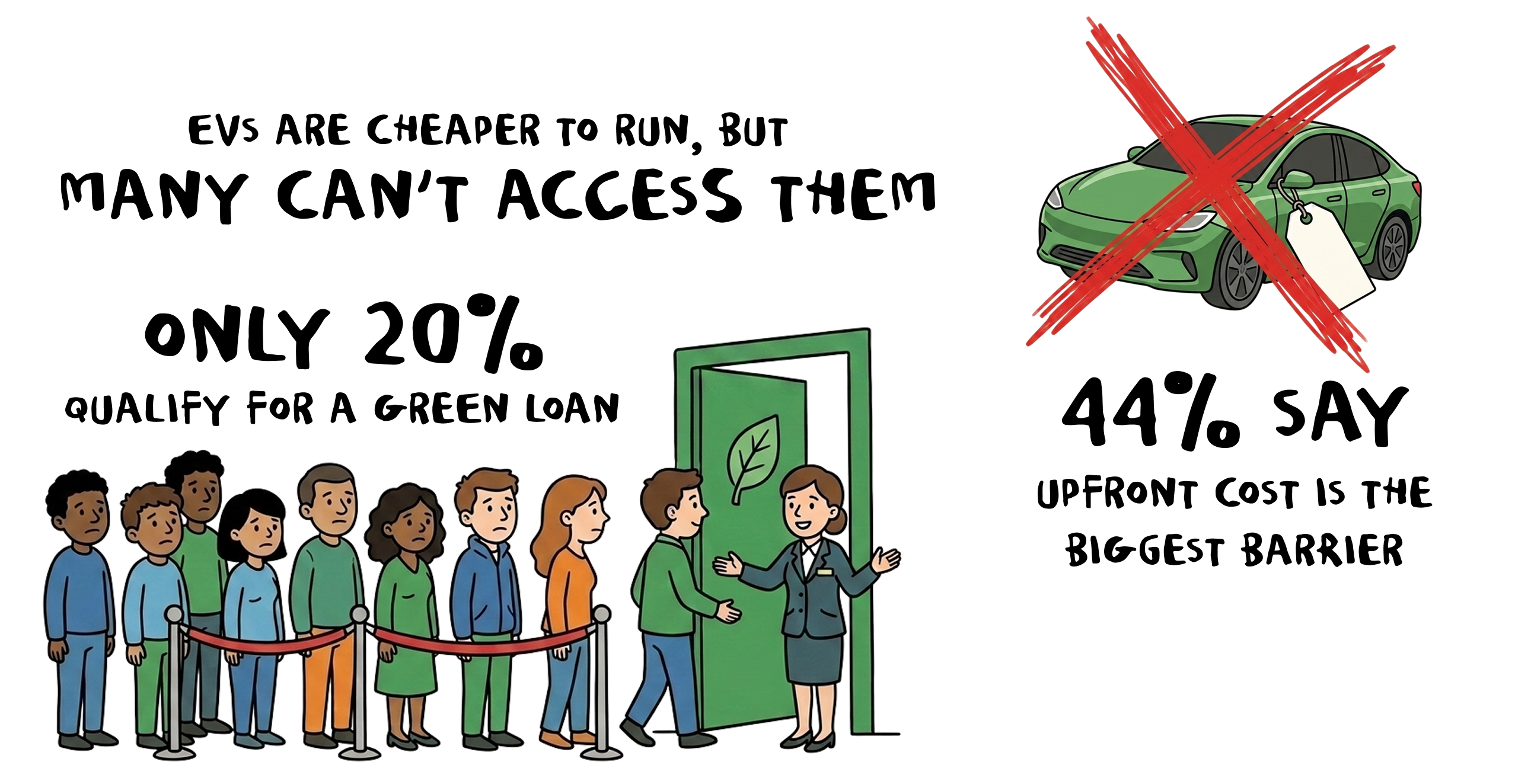
According to a recent independent survey for ChargeNet, 27% of New Zealanders would like to buy an EV within the next three years. But, according to MIA data, fewer than four percent of New Zealanders buy a new car each year. EV Salary Boost closes that gap and opens up the possibility of a cheaper, safer, less polluting new or second-hand EV to many more people.

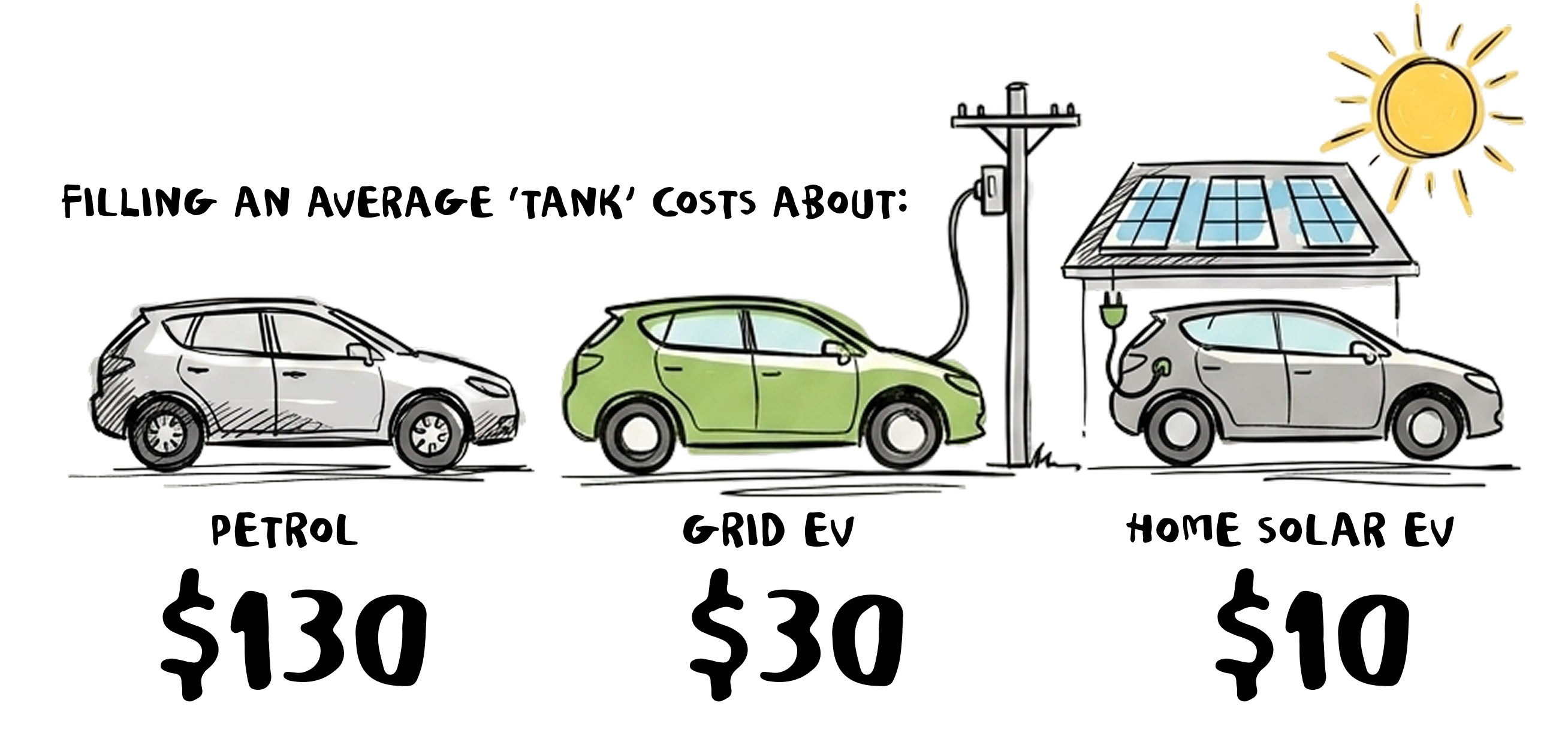
About 40% of cars coming into New Zealand are second-hand. And while petrol cars may have a lower sticker price, they cost more to run and maintain. Filling a 50-litre petrol tank costs around $130 with average prices; the equivalent EV 'tank' costs around $30 charged from the grid, and around $10 from home solar.
While many New Zealanders are now aware that EVs are cheaper to run, many can’t access them: most have less than $500 in savings, fewer than 20 percent qualify for a bank 'green' loan, other car finance options tend to come with sky-high interest rates, and Consumer NZ found 44 percent say upfront cost is the biggest barrier.
Just as with solar, batteries and other electric upgrades, there is an appetite for this technology and everyone can technically afford it because it will cost less than what they are currently paying, but access is the issue.
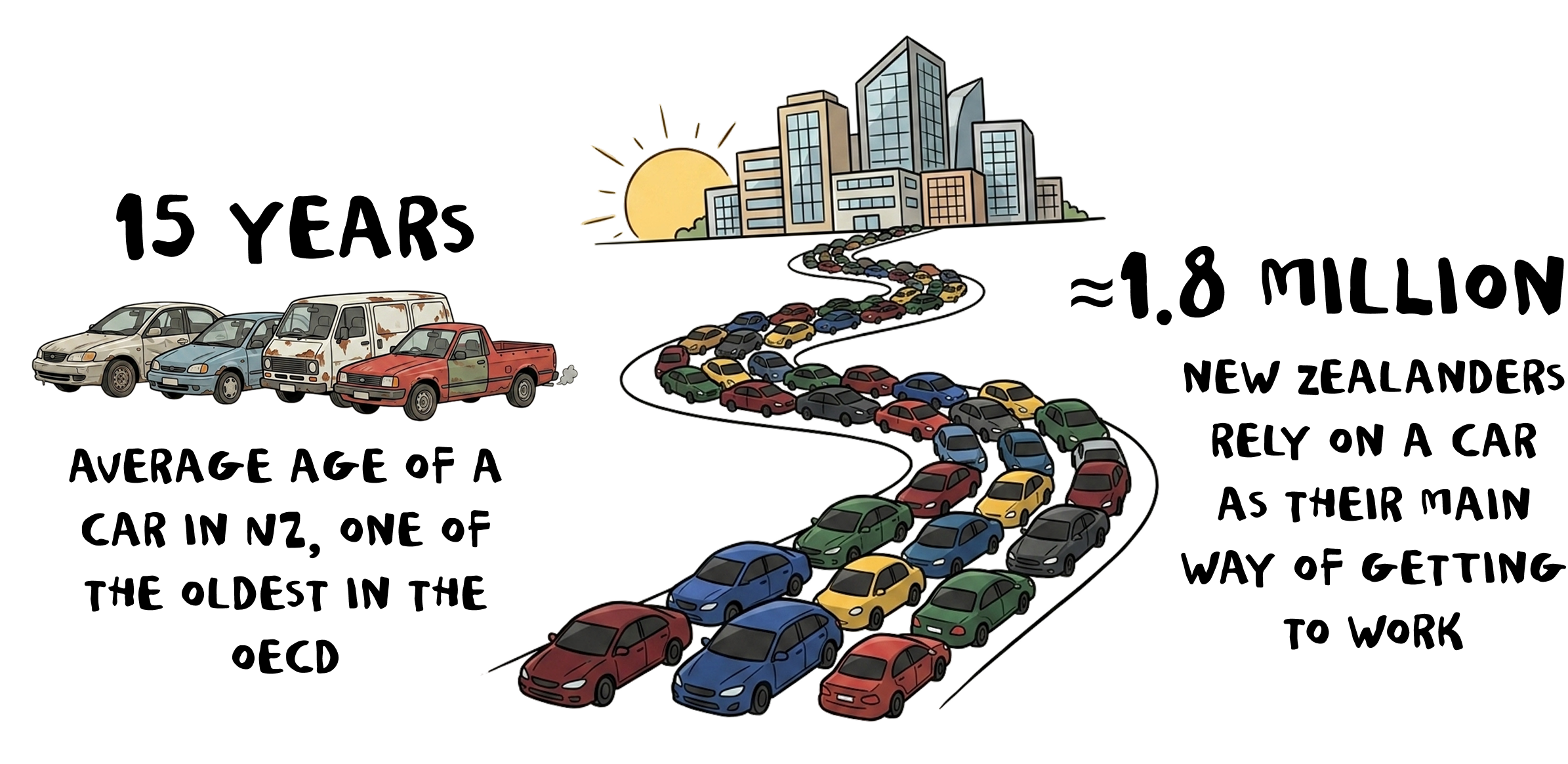
Workers can already access cheaper public transport, as well as bikes, e-bikes and scooters, by using their pre-tax income, if their employer has signed up. While it’s great that more public and active transport is being incentivised, the car is the main means of travel to work for more than 1.8 million New Zealanders and rural households, shift workers and working families are most reliant on cars and are less able to benefit from these existing public transport and micro-mobility exemptions.

Giving discounts on EVs to those who could already afford one was a common criticism of the previous Government’s Clean Car Discount and led to the ‘you’re just helping millionaires in Remuera buy Teslas’ jibe. As we’ve seen from the Australian example, those who benefit most from this scheme are middle-income earners. So the EV Salary Boost helps a very different demographic, and one that’s most in need of the savings and cost stability an EV offers.
How do the numbers stack up?
To help us understand what a scheme could look like if it were available in New Zealand, we have assumed that the leasing scheme could be used for new or used vehicles and the lease term would be five years (we'd like to see the leases extended to match the length of many EV warranties, which is currently around seven years). And we’re also going to play a game of ‘Would You Rather…’
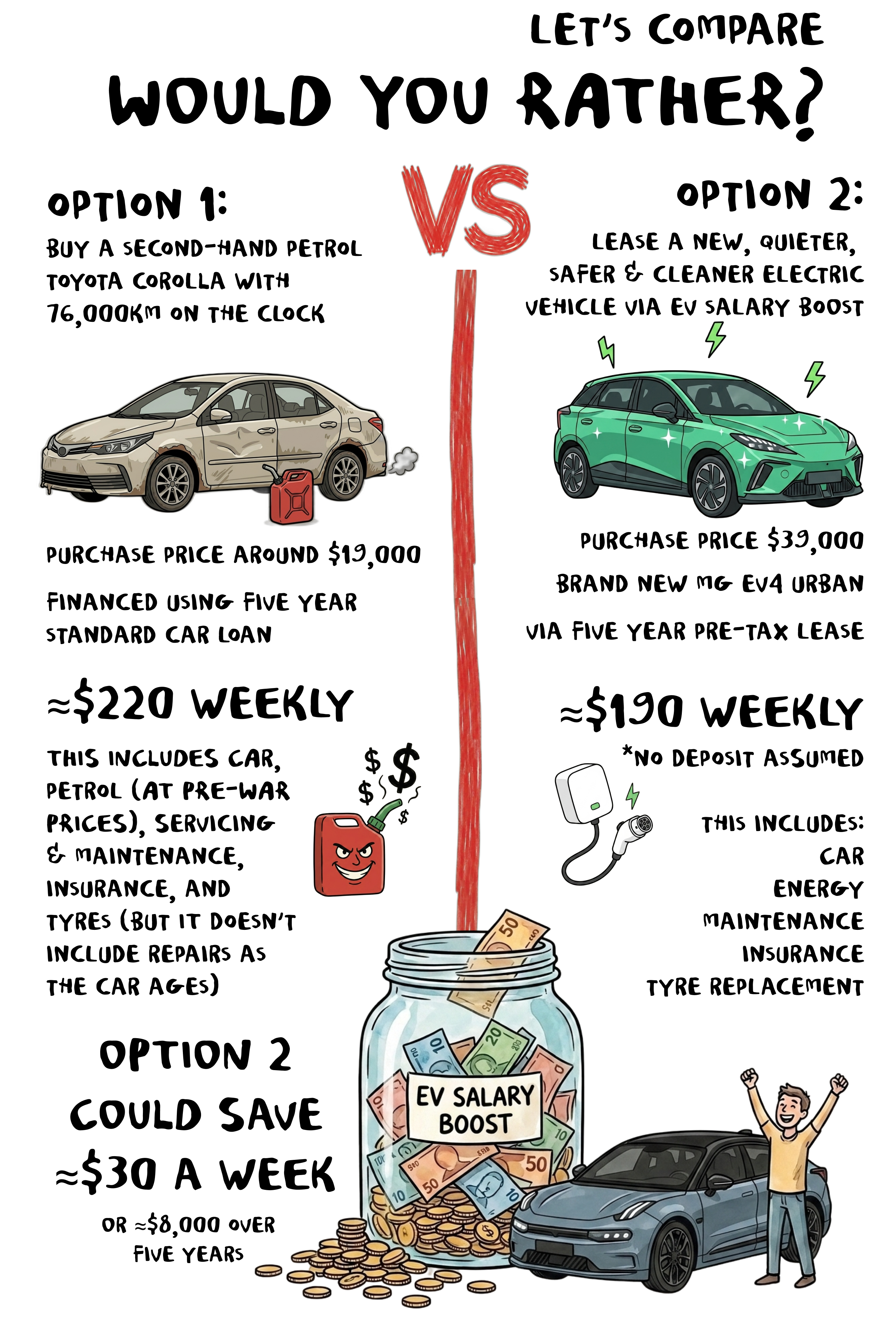
You’re looking for a new car and your options are:
1) a second-hand petrol Toyota Corolla with 76,000km on clock for around $19,000, paid for at standard motor vehicle finance rates over five years. That's around $220 every week.
Or 2) a new MG EV4 Urban worth $39,000 through the EV Salary Boost scheme.
It would cost around $190 per week to get into option two under this scheme.
Going with option one means you would be missing out on savings of around $30 each week, or around $8,000 over five years.
The savings would be even higher for those workers who drive longer distances, like home healthcare providers, and for those in regions where fuel prices are higher. If petrol prices continue to increase, the gap will continue to widen.

Now, let’s say you’re happy with your old petrol car. She’s got 150,000km on the clock and you’ve had some good times with her. Unfortunately, your mechanic has told you that it needs $2,000 worth of work done to get it back on the road. Now, you have three options. Your new option is to stick with your current car, pay the $2,000, and cross your fingers and hope you don’t get a similar bill next year. Let’s be honest, that’s what most of us do!
If you get it back on the road, you'll be paying about $110 per week to run the old dunger (or $28,000 over the next five years). But for an extra $80 every week, you could get a new car through the EV Salary Boost scheme (and avoid paying $2,000 and also maybe get some money for selling it).
So, now you’ve done the comparison, which Would You Rather?
When could it be operating?
If it was enacted in the coming months, EV Salary Boost could be operating before Christmas, with new vehicle shipments arriving and workers enjoying lower-cost EV ownership through the summer.
Our conservative estimates suggest around 30,000 new leases would be taken each year, reaching 150,000 active leases within five years.
Rewiring Aotearoa is pushing for the Government to pass both the Ratepayer Assistance Scheme and the EV Salary Boost this term. Urgency has been used a lot this political term and, given we’ve got kids missing school due to petrol prices and families struggling to pay power bills, we think this relief is genuinely, urgently needed. And if not now, parties should commit to doing it in the first 100 days.
When combined with the Ratepayer Assistance Scheme, which would offer long-term low-interest loans for electric upgrades in the home and could save up to $2,000 per year, including finance costs, EV Salary Boost would offer the biggest cost of living relief of any intervention we’ve seen - and at a relatively low cost to the Government.
How does helping individual households help fuel security?
While vehicle purchases are private decisions, there are public benefits. Our Electric Homes and Vehicles research shows that going electric saves homes thousands, communities millions and the country billions every year. And the biggest savings come from avoiding imported fuel.

We currently import around $10 billion of fuel every year in normal conditions and disruptions like wars and pandemics drive those costs up significantly (one study showed each event can cost up to $2.4 billion, or 0.85 percent of GDP).

New Zealanders pay for that at the pump: in total, we spend around $40 million every day and this rose to in excess of $60 million a day during the recent supply shocks.
There are also very real concerns about continuity of supply. When push comes to shove, New Zealand is a tiny market at the end of a global supply chain. Energy security is reliant on the ships turning up, which can’t be guaranteed in a crisis.
MBIE’s Fuel Security Study found that accelerating the shift to EVs would be among the most useful and cost-effective measures available, and the only one that permanently reduced fuel demand.
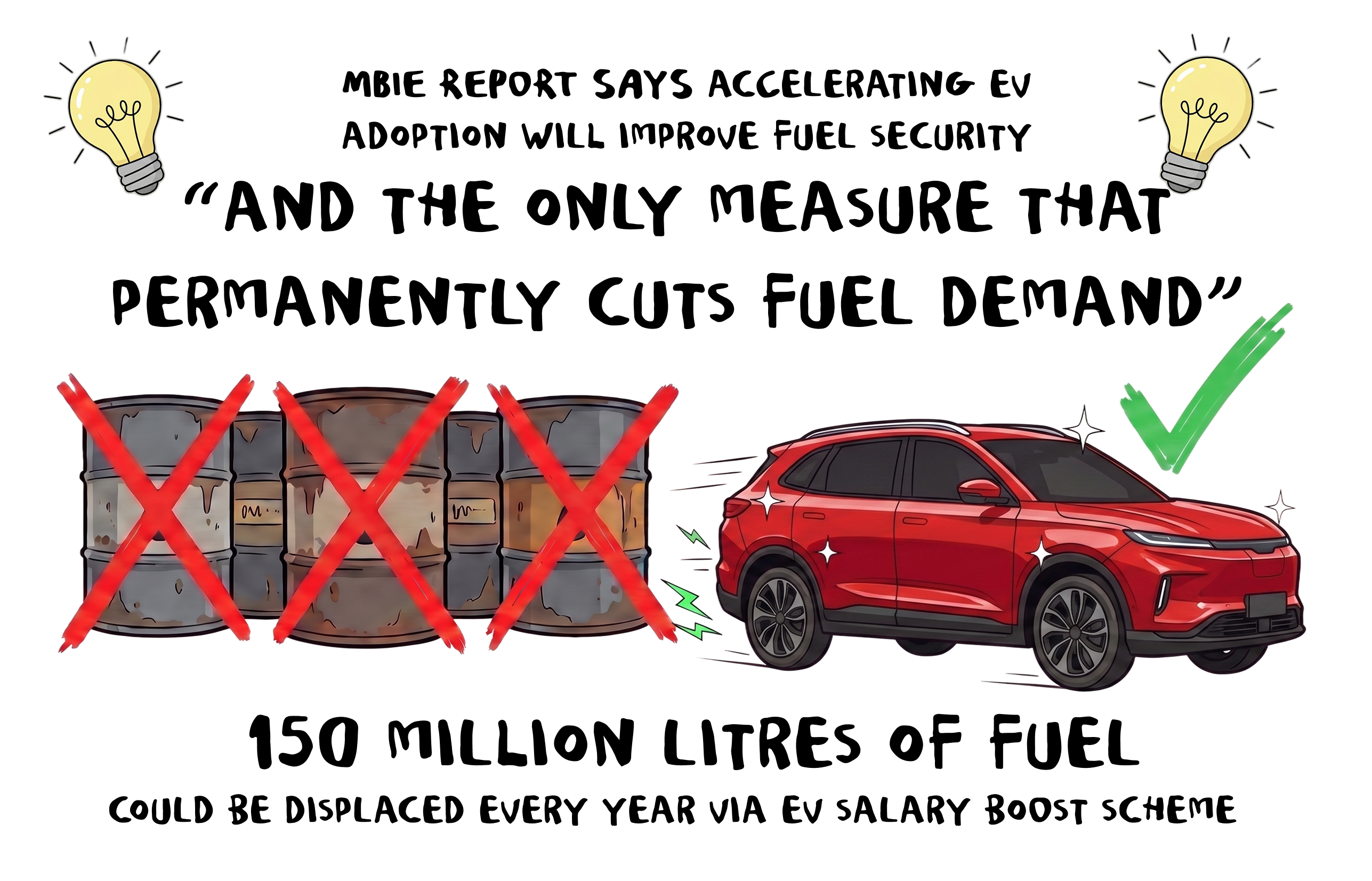
The study showed that an accelerated transition would cost around $129 million a year and it would displace around 90 million litres of fuel annually; the EV Salary Boost would displace around 150 million litres a year at the central scenario, which would have a marked effect on the country's balance of payments.
If all 4.3 million of our light vehicles were electrified, this would give us almost 40 days of additional fuel storage that could be used to keep our harder to electrify sectors like trucking or agriculture running.

What other benefits are there?
This policy would also help us accelerate our fleet transition. Currently, the average New Zealand vehicle is almost 15 years old and in more deprived areas, the cars are older. This compares to Australia's 11, which is partly because workers have long had an employment-based route into newer vehicles, and nine in the UK, which also has EV incentives. As well as being cheaper to run, they are also much safer and quieter.

There are also major environmental benefits to EV adoption. Transport accounts for around 20% of all our emissions and around 70% of those come from cars, utes, vans and light trucks.
When transport is included as part of the home, households are the largest energy consuming sector in the country and vehicles are the largest single source of household emissions.
In countries with highly renewable grids, like New Zealand (and even in those that are reliant on fossil fuel generation) switching to electric vehicles can significantly reduce overall emissions and help us meet our international obligations.
Each household swapping a petrol car for an electric car avoids around two tonnes of CO₂-e per year and the ‘carbon debt’ of making an electric vehicle today is usually paid off early in the vehicle’s operational lifetime for the average New Zealand driver.
Air quality is also greatly improved when there are no tailpipe emissions and over 2,200 premature deaths a year are attributed to pollution from motor vehicles.

The benefits continue for the electricity system: while still early in its development, two-way charging could further reduce energy costs for households by using the EV battery to power the home and avoid high peak prices from retailers or export to the grid. It could also play a role in reducing the need for expensive upgrades to poles and wires and ease peak electricity prices.
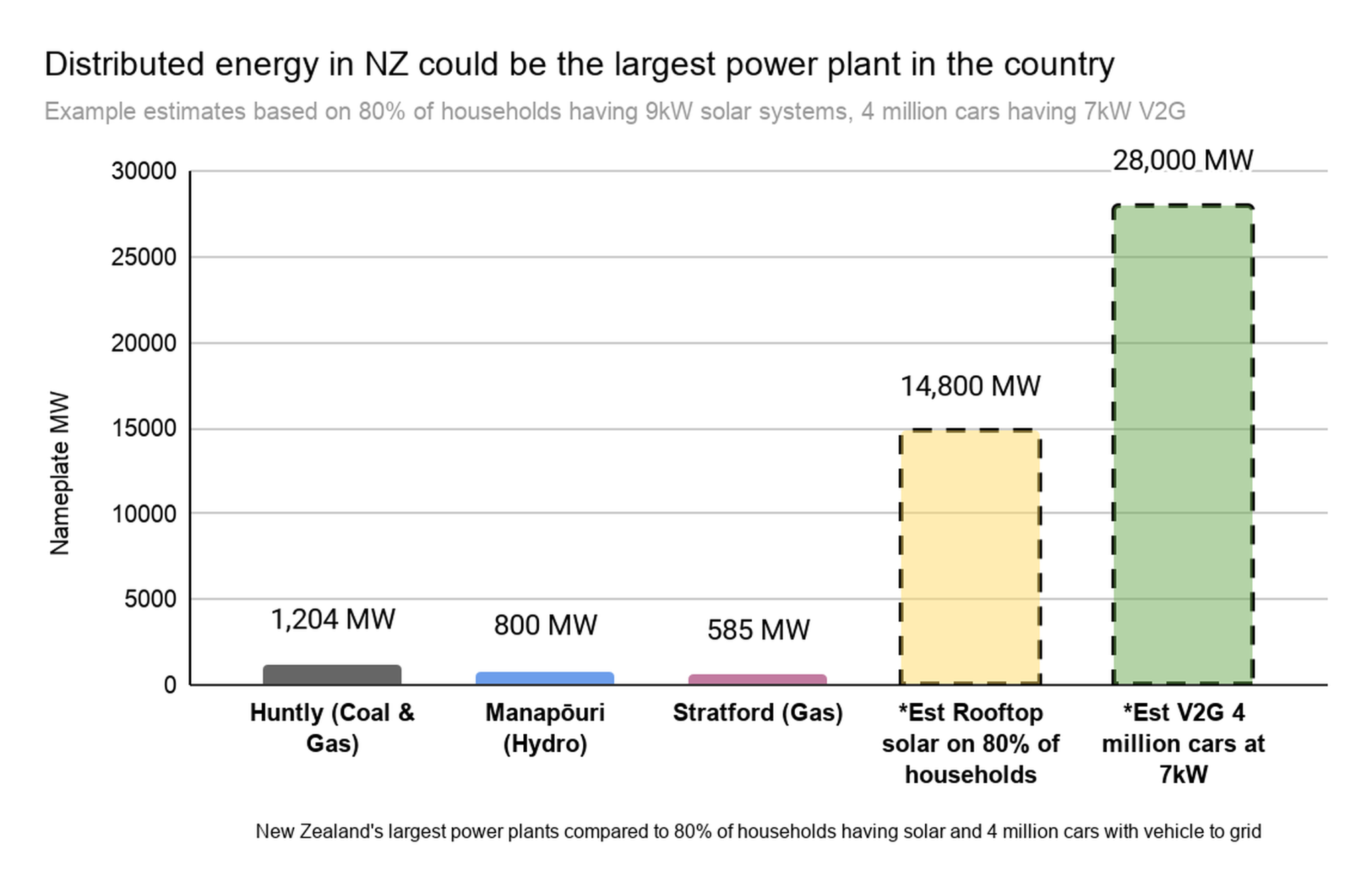
While cars are primarily bought to be used as cars, a fully electric fleet would hold more overnight storage in its batteries than New Zealand's hydro lakes can deliver and a medium-sized battery in an EV could run an average home for around three days in an emergency. That’s resilience that pays for itself.
How much will it cost? And are there any risks?
EV Salary Boost is not a programme that would require costly administration: the scheme is delivered almost entirely by the private market, through employers, payroll systems and leasing providers that already exist.
The Government would also get a lot for a relatively small investment. It is estimated that two-thirds of the lost tax revenue would be paid back by GST on new car purchases, many of which rely on this scheme. The scheme could be revenue-positive in its early years, because GST is earned by the Crown at the time of sale, while the foregone revenue accrues over the full term of the lease.
It also pays to compare this scheme with what we’re already doing. The Government is paying over 100,000 households $50 per week to help deal with high fuel costs, but those benefits endure only as long as the payments flow and, just as the Winter Energy payment buys homes less electricity as prices go up, direct payments or subsidies to help deal with the increasing price of fuel is a false economy.

Like a temporary subsidy, EV Salary Boost could also deliver instant relief for households that are looking to upgrade, but it continues to provide benefits over the long-term. It would cost the Government much less than $50 a week in lost income tax, but households are likely to benefit to the tune of $30 to $50 a week for the whole lease period. And the benefits for New Zealand last for the life of the vehicle.
The Australian scheme has been expensive for the Government. The scheme allows vehicles up to $90,000 to be purchased and they don’t collect any GST on the vehicles sold. Those are design choices our government could consider, if they choose to push novated leasing.
In Australia, there is also an exemption from Fringe Benefit Tax for EVs and an Electric Vehicle Discount, which makes them even more appealing. Additional relief could easily be dialled up in New Zealand to lower costs further and speed up adoption.
How do you manage a risk that, like the Clean Car Discount, this policy will be more popular than expected? It can be capped in various ways, but because there are so many other benefits that come from faster EV adoption, faster uptake would be good for New Zealand’s economy and environment in the long-term.
How can businesses benefit?
EV Salary Boost is aimed at workers but businesses that offer the scheme are seen as more appealing places to work. Around 60% of all new cars are purchased by businesses. We need as many of them as possible to be electric. Changes to Fringe Benefit Tax for company EVs have already been announced, but more incentivisation is needed, and accelerated depreciation would also help. This is crucially important to seed the second-hand market.
Why now?
The current fuel crisis has led to a range of short-term responses, from adding storage tanks, to offering grants through Working for Families to help deal with high fuel costs. Our reliance on imported energy is a drain on the economy and has been the primary reason for the rising cost of living. Households are struggling, but there are solutions.
The world is more unstable than it has been since World War II, so hoping for cheaper petrol and diesel is not a great long-term strategy.
As the Prime Minister has said, energy security is national security. New Zealand has a world-leading renewable electricity system and a growing network of rooftop solar and storage. We cannot continue to run our economy on expensive, risky foreign molecules when we could instead be running on cheaper, more stable local electrons, as many as possible generated on our homes, farms and businesses. It wins on economics, it wins on energy security and it wins on emissions.
New Zealand-made energy is an escape hatch. EV Salary Boost will help open it.
Full infographic
%20(1).jpg)
Related posts
More Watt Now? posts from Rewiring Aotearoa
Solving the dry year
Read More
.png)
Sun in a socket: plug-in solar
Read More
The case for energy loans
Read More

A bad case of gas
Read More

Scale and speed: why the climate needs electric vehicles
Read More

A future with two visions
Read More

Show me the money: the economics of going electric
Read More

Why electric vehicles matter
Read More

Why solar makes sense
Read More

Why going electric wins on emissions
Read More

Energy use in New Zealand
Read More

Closing The Loop
Read More

Electricity means efficiency
Read More
