Don't listen to Old Man Gas. Ditch LNG. Support New Zealand-made energy!


No-one likes a skite, but everyone loves perovskite, including some awesome New Zealand researchers trying to improve the efficiency of solar; why put panels on the roof when you could have panels as walls; electric trucks are increasingly stacking up when it comes to lifetime costs; an induction hob that can 'cook on yesterday's sunshine' gets the tick of approval from appliance giant Miele; CATL's new 15-year battery; and how to fight energy disinformation by talking to lots of disparate groups.

Up the kilowahs!
Physics has not blessed silicon with great efficiency. Solar panels have certainly improved over the years, but perovskite takes it up a few notches and TwoPhold, a New Zealand company that originated out of research from the University of Victoria Wellington, is working on integrating that into the industry.

“Since the 1960s we have known of a fundamental limitation with solar panels, where they can only capture about 32% of energy from the sun,” says co-founder A/Prof Nathaniel (Nate) Davis in KiwiNet.
“This is a new generation of solar panels that could revolutionise energy. The science is incredibly exciting, and I wanted to be part of driving and shaping where it went next.”
In ‘Solar’s Second Act’, Ashlee Vance talks to a Swift Solar CEO Joel Jean, who works with “a crystal that turns sunlight into electricity better and cheaper than the silicon currently used in solar panels. This stuff is finicky though, and experts have doubts, as they always do — but Jean explains how Swift is closing in on a solution.”
And for those who want to stick with the normal panels, but are looking for a certain aesthetic, Solyt panels are designed to blend in and don’t necessarily need to be put on the roof.
'Cooking on yesterday’s sunshine'
We’ve written about The Copper Induction stove before. Now it’s going to be made by appliance giant Miele, so it’s likely to spread its wings around the world.
As Canary Media reported, Copper’s Charlie 2.0 comes with a battery that lets homes ditch the fossil fumes without an expensive electric upgrade. It will be made to take 240 volts, so it’s definitely closer to coming to New Zealand.
Keep on truckin’
We were disappointed to discover that no advice had been given to the transport minister on electric freight since March, despite the crushing diesel prices. As we’ve said, it’s like trying to lose weight without looking at what you’re eating
Small EV sales are going back up, but large electric truck sales remain extremely low, even with a Government subsidy still available.
According to The Driven, a study in Europe showed that ‘electric trucks are cheaper to operate than diesel in most markets’, and these markets can get cheaper diesel than us.
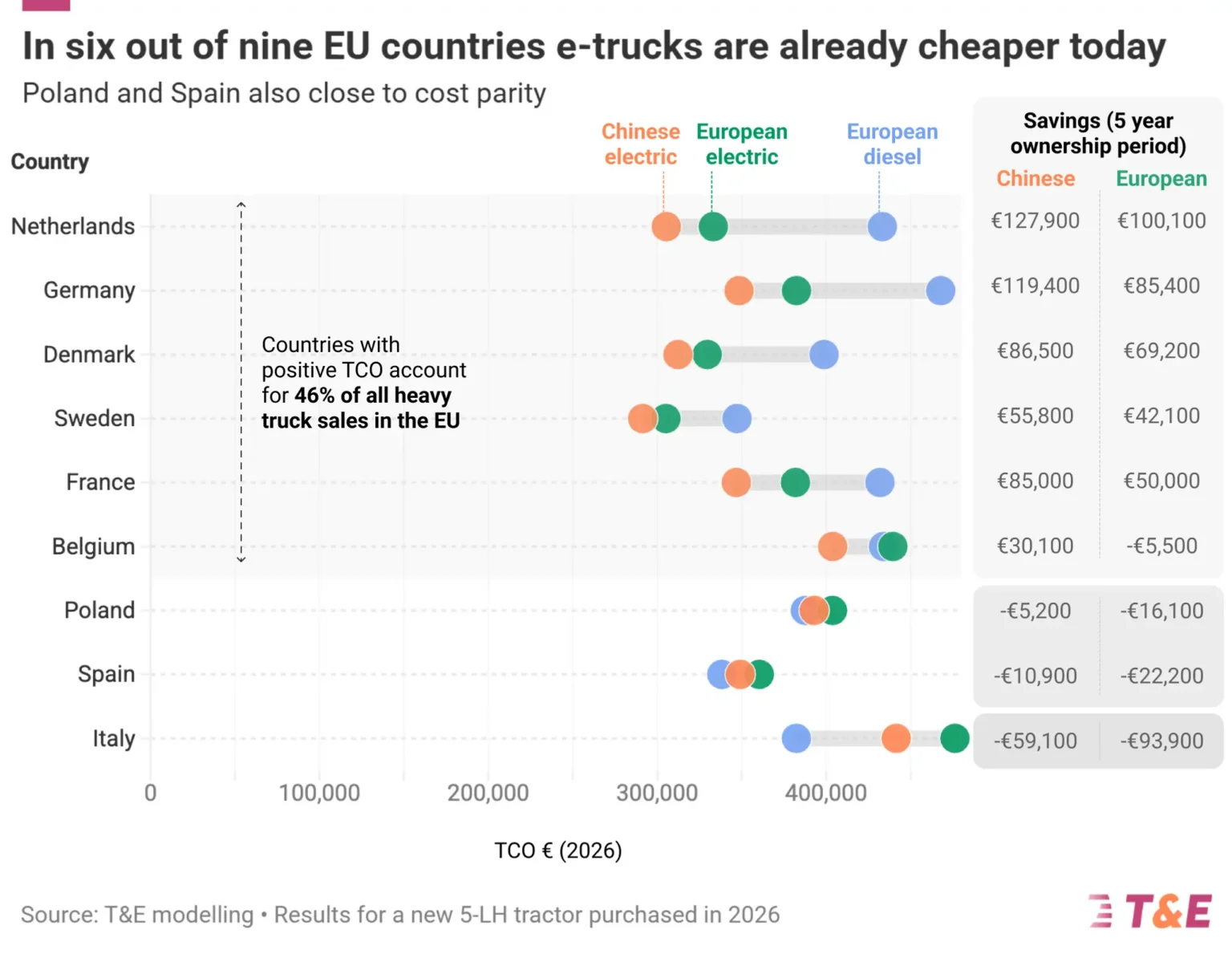
“The total cost of ownership (TCO) of electric trucks was lower than that for diesel trucks in six out of nine major markets across the EU. These six markets account for 46 per cent of all new heavy trucks sold in the EU.
Savings in the Netherlands and Germany can reach €100,000 and €85,000 respectively over five years, with electric trucks paying themselves off after only 2 years.
When operating an electric truck made in China, savings over five years in the Netherlands increases to €128,000, thanks in part to their lower price tag.”
There are a rare few success stories here, and we’re keen to see more of them.
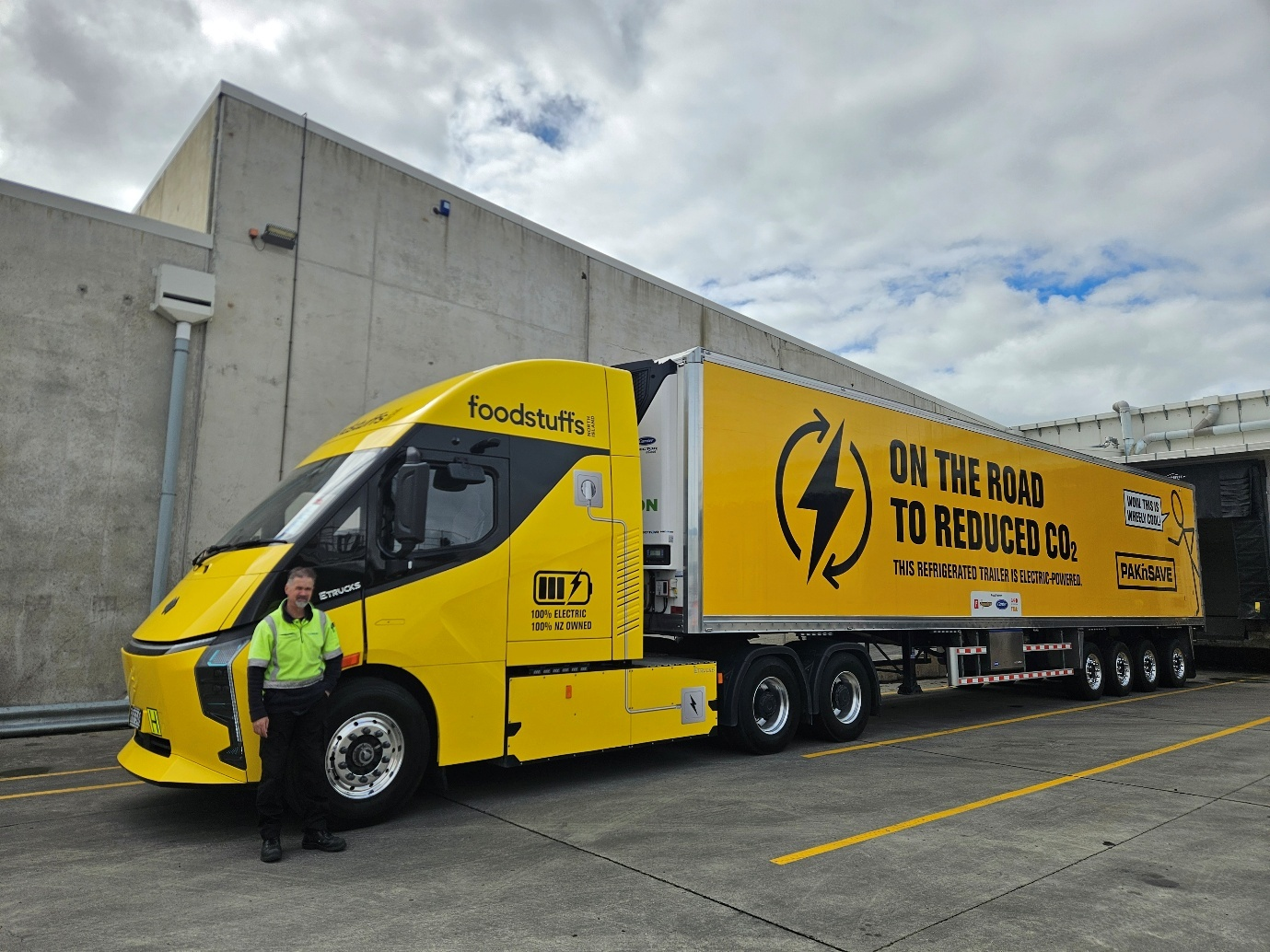
“Foodstuffs North Island’s Deepway Star electric heavy vehicle has clocked up 44,524 kilometres and prevented 81,171kg of CO₂ from entering the atmosphere in its first six months on the road - that’s roughly equivalent to taking around 35 petrol cars off the road for a year.”
Energy is money. And diesel is expensive energy. So avoiding it is becoming a smart option for businesses.
Long live the battery!
Battery life concerns continue to be an issue for some, but they are draining away as technology improves, and, as this video shows, new CATL batteries are coming with 15 year lifespans and can propel trucks for 1000km.
This video looks at the new Tectrans II battery from CATL … This could seriously disrupt the trucking industry, with the economics of electric trucking starting to make the transition happen faster than expected.
Heading it off at the pass
Rewiring has tried to convince anyone who will listen about the benefits of electrification and Mike Casey has played a central role in that as a trusted voice who had done it himself and can talk to a diverse range of groups, from farmers to climate activists.
In a recent episode of Volts, GoodPower’s CEO Leah Qusba talks about how to fight back against disinformation and getting your message into different areas is definitely part of the approach.
Disinformation about clean energy is showing up everywhere — online after every blackout, at county commission meetings about siting new projects, in regulatory dockets stuffed with fake comments. GoodPower, which combines a C3 education arm with a C4 advocacy arm, is trying to fight back with a network of thousands of content creators, rapid-response campaigns around storms and grid failures, and an AI tool that detects manufactured public comments.
And in case you're wondering, here’s what Good Power is all about.
No-one likes a skite, but everyone loves perovskite, including some awesome New Zealand researchers trying to improve the efficiency of solar; why put panels on the roof when you could have panels as walls; electric trucks are increasingly stacking up when it comes to lifetime costs; an induction hob that can 'cook on yesterday's sunshine' gets the tick of approval from appliance giant Miele; CATL's new 15-year battery; and how to fight energy disinformation by talking to lots of disparate groups.
Read moreDownloadNational has announced what it’s calling ‘Electrify NZ 2.0’, a nine point plan to provide affordable power. And while it has a lot of stuff Rewiring has been asking for for a few years, there are a couple of big bits missing, says CEO Mike Casey.