


News & Updates


Fuel costs have shot up from fifth to third in the October survey of voters' biggest concerns, behind inflation and cost of living, and Labour has extended its lead over National on all the top five concerns.

"Let's face it. Your poll numbers aren't looking great and you're going to need to pull out all the stops," the advert said. "So where's your electric vehicle policy?"
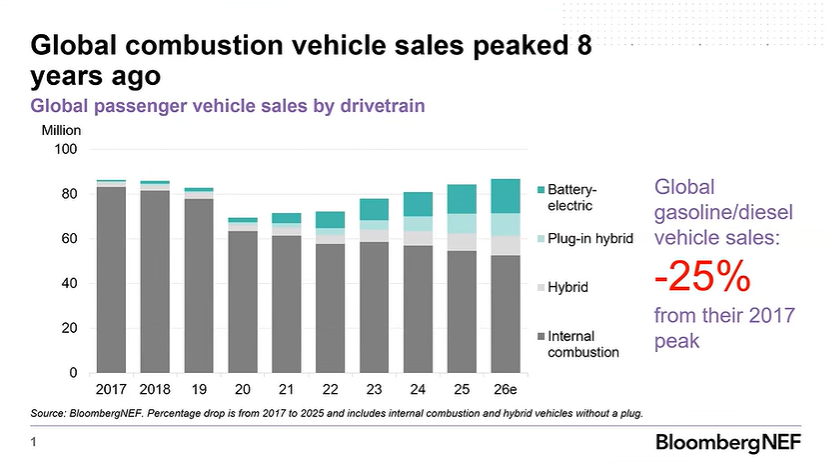
BloombergNEF says sales of combustion cars peaked in 2017 and there's no coming back, while a new study in New Zealand shows petrol vehicles were losing value more quickly than equivalent models did a decade ago; big batteries aren't just for storing electricity, they can also store heat; the story of the world's biggest electric ferry and the Australian company that made it; electric motorbikes are doing a lot of heavy lifting on emissions reduction, so why don't they get more attention?; and a new show called HallowGreen2 that tackles the energy transition "with music, humour and a hopeful message”.
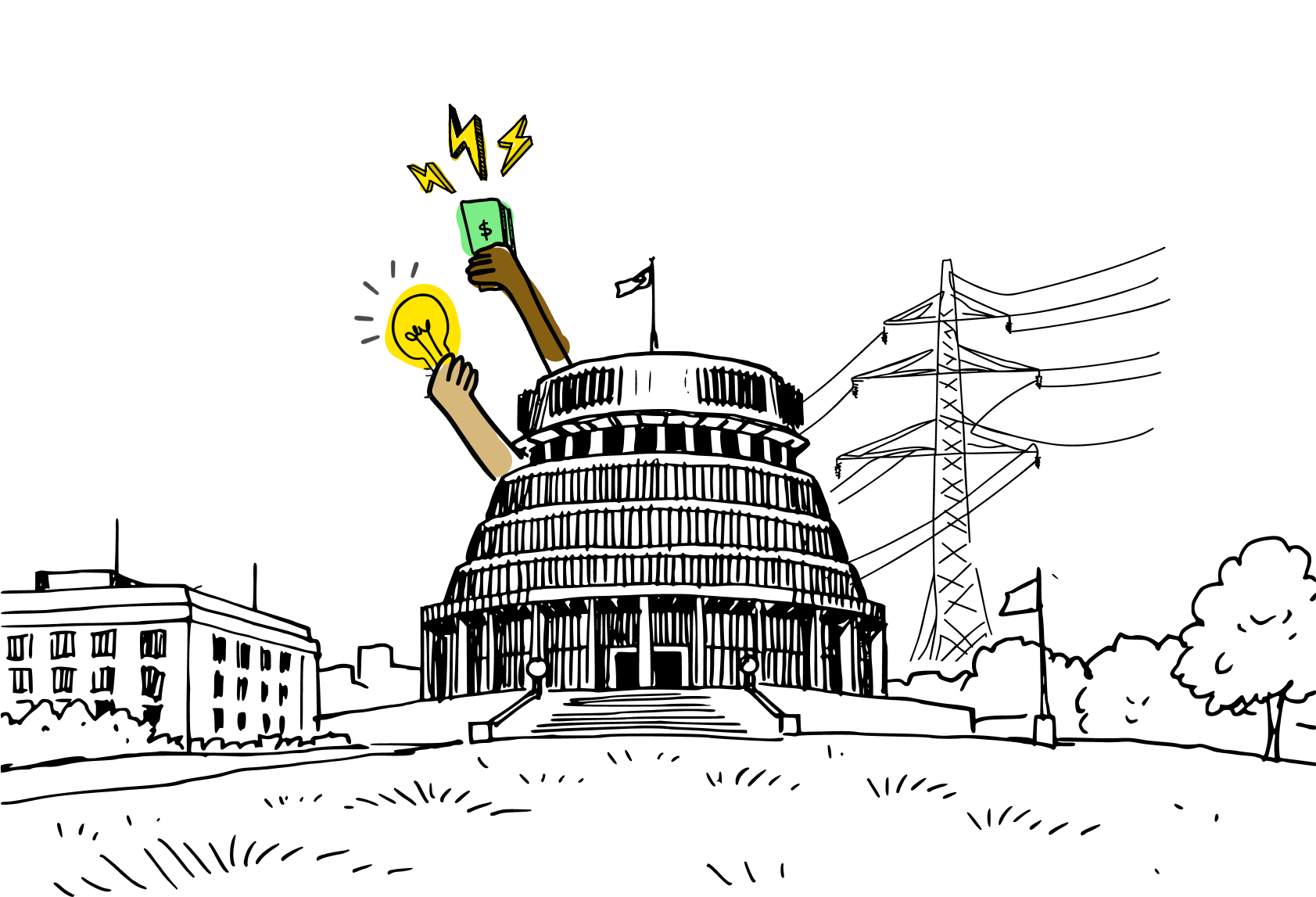
RNZ's Kate Newton looks at why no-one is really talking about emissions as an election issue. As Mike Casey said: "The climate movement up until this point has been very, very good at creating dartboards, but terrible at providing people with darts to play the game." That's allowed for inaction, and active lobbying against climate change action from fossil fuel companies and others who stand to lose out ... The solution is "flipping it into a strong economic narrative that they can't possibly fight with".
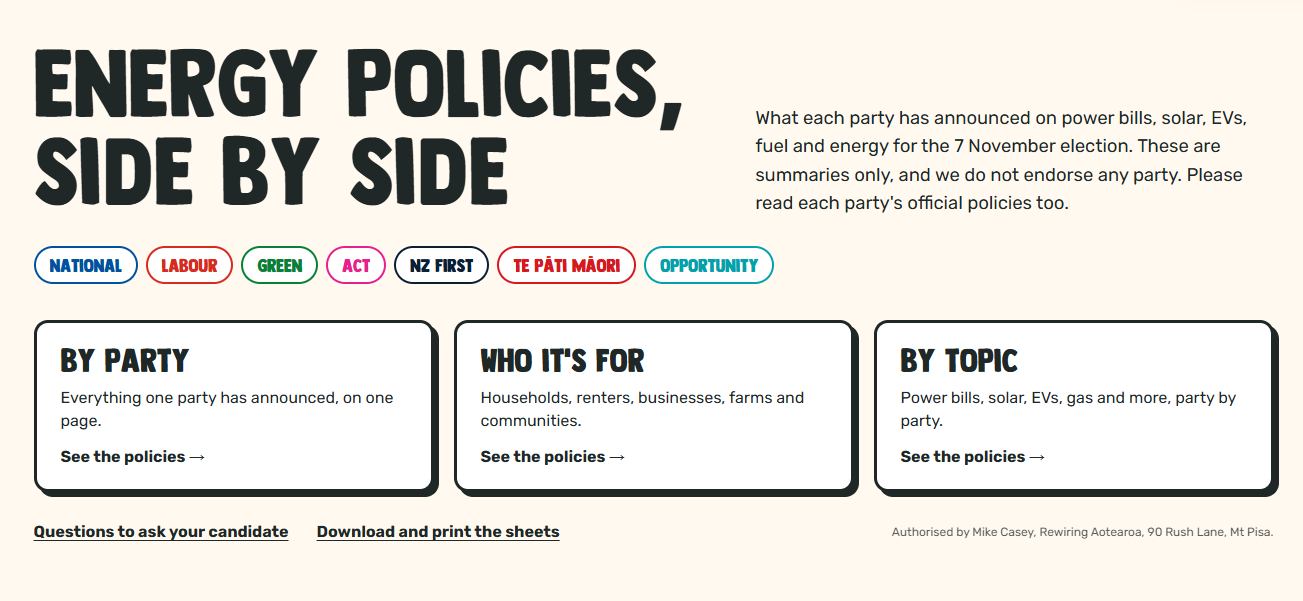
Humans are comparative creatures and they're particularly comparative during election season. That's why we've created a rundown of all the energy-related election policies that have been announced by the parties so far.

How much money could you save by powering your home with an electric car? Genesis is trialling tech to let owners charge their car battery off-peak for use in the house at peak times, effectively making it a power-storage unit. The three-month test on a four person home let the car feed electricity to the household, drawing little from the national grid. General retail manager James Ryan says hypothetically, it could save up to $2000 a year.

Electricity is up. Gas is through the roof. Petrol is insane. It’s time to fight back 🤺 Sign up for the Kill Bills livestream on October 28th at 7pm.
New Zealanders - including the Minister of Transport Chris Bishop - love their Nissan Leafs, but the very early models do have their limitations. So what if you could give your Leaf a new lease on life? As Andrew Rushmore says, ECVS can help with that as it sells battery replacements that can increase range from around 60km to 350km.
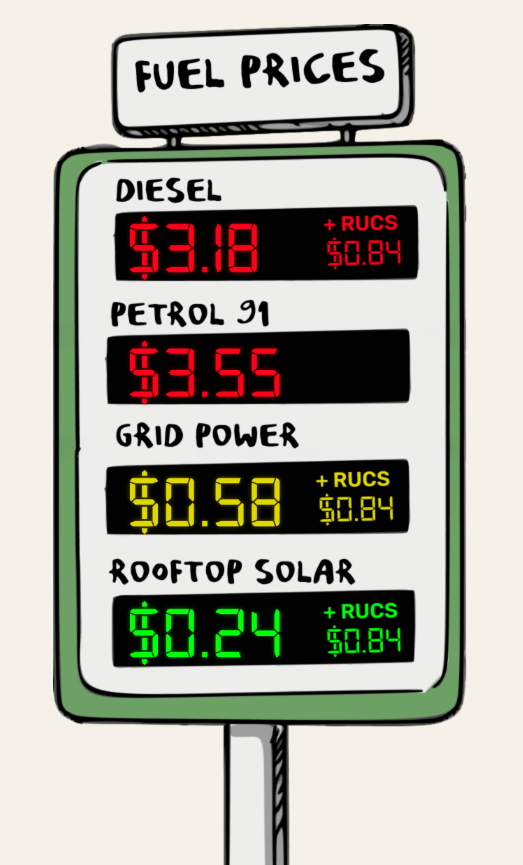
Q: Hi Liam, I picked up on a comment made by a farmer who is promoting his use of solar power to power his activities including the home and also his EV farm vehicles (shout out to @electricorchadist). He said that generating renewable power locally reduces reliance on overseas fuel. Hard to argue with that. That got me thinking about how much fuel we import relative to our current account deficit and what the implications would be if we were able to electrify our car fleet in NZ powered by locally renewable energy (we’d need some more, obviously). Cheers, Tom
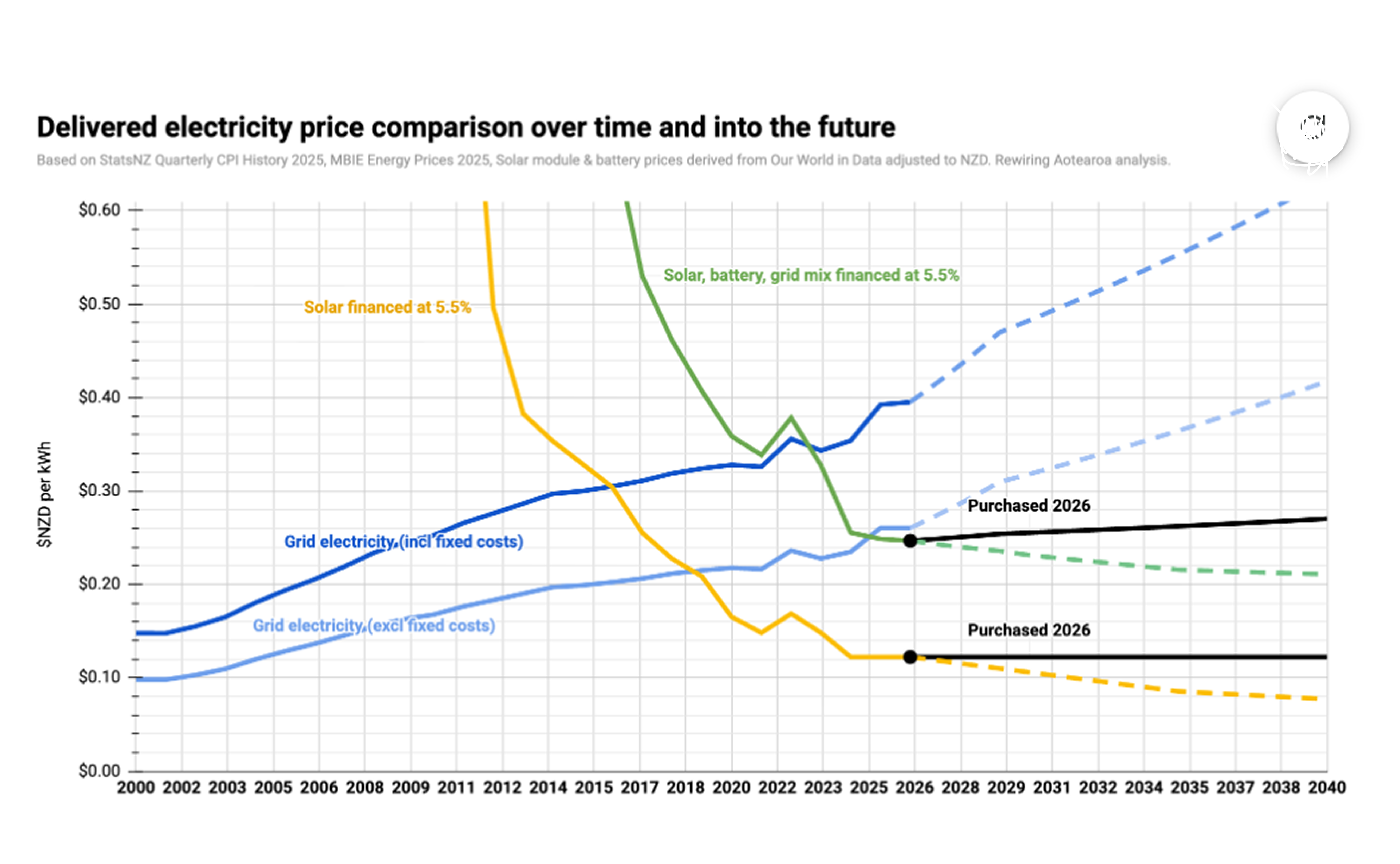
"Putting solar panels on your roof feels like a no-brainer. You cut your power bill, and with a subscription model, you don't even pay upfront. So what went wrong for so many households? The answer is SolarZero." In The Post, Professor Alex Sims writes that "solar is good for households and the country, but people will only keep investing if they trust the market. The Commerce Commission should finish what it started, widen Utilities Disputes' reach, and the government should set proper standards for a rapidly growing industry".

Two-way charging seen in the wild; sales of big electric rigs are growing rapidly (and more of them could helps address New Zealand's $12.1 billion energy blind spot); second-hand EVs are holding their value better than expected in Australia; the perils of Aqua ownership; and how to improve the disputes process in the wake of the SolarZero saga.
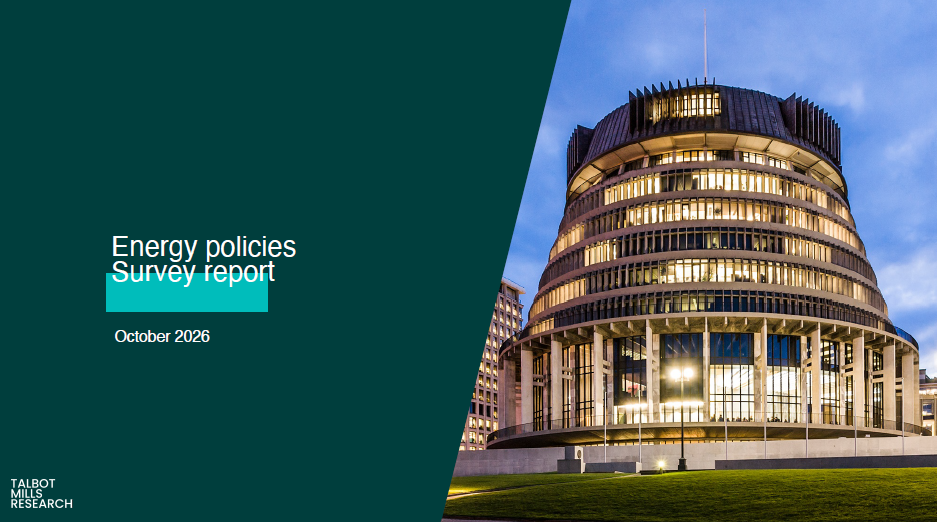
According to a new poll from Talbot Mills, energy will be a major factor for almost three quarters of voters on November 7 and just 12% think spending $1 billion on an LNG import terminal is a good use of Government money.
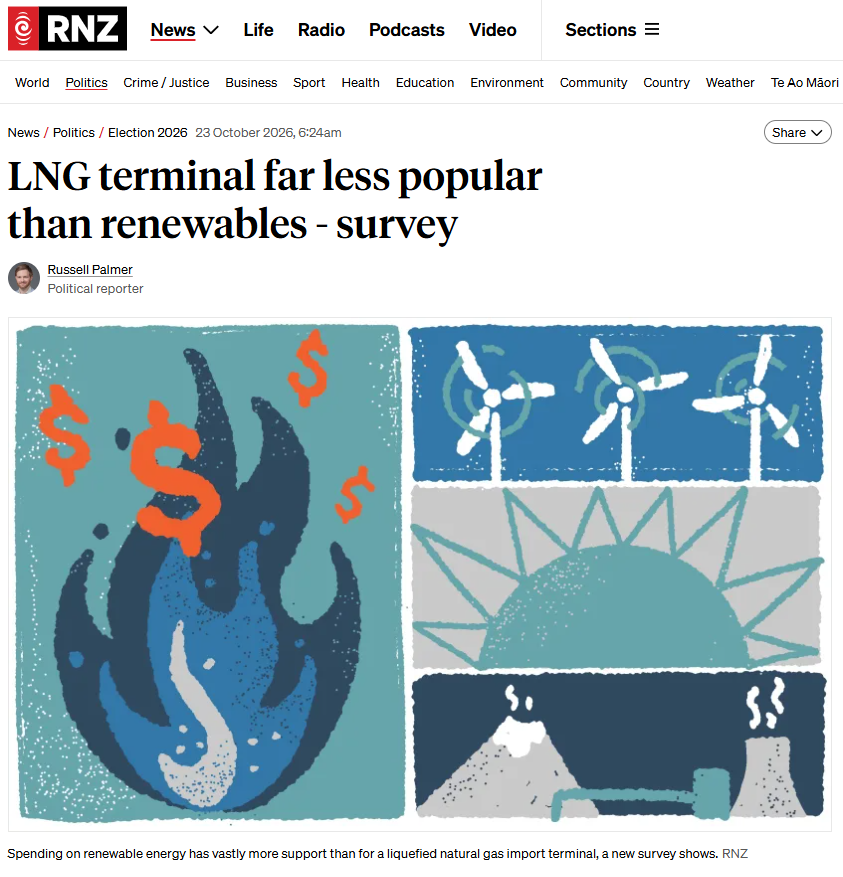
Spending on renewable energy has vastly more support than for a liquefied natural gas (LNG) import terminal, a new survey shows.

"In the year to July, New Zealand spent $12.1 billion importing petrol, diesel, and other fuels. That is $2.3 billion more than the year before, and Stats NZ says the jump came from the cost, not from us using more fuel. It works out at $33 million a day. About $2260 for every person in the country.”

Mike Casey, who heads up electrification advocacy group Rewiring Aotearoa, said private and commercial transport needed a greater focus from all parties. "Where are the incentives around electric vehicle adoption? It seems like everyone's too scared to talk about EVs at the moment because of the really quite immature discussion we had about them three years ago at the last election."
Fast, clean, and quiet: Harry Bycroft knows that electric boats are the future. At the Electrify Te Tai Tokerau Expo, he took us for a tour of Ngaru (under the watchful eye of his mother Fiona Bycroft, the CEO of Naut) and he's a pretty good salesman.

Rewiring Aotearoa's Matt Newman: "For marae, however, there aren't a huge amount of places where they could turn to unless they're engaging professional services around electrification. We know that that hasn't often been in the funding piece either. You know, funders will happily fund upgrades for marae, but they won't fund the due diligence that's necessary to support marae in making really good decisions for the long-term future."
Rewiring Aotearoa CEO Mike Casey told Andrew Dickens plug-in solar is a simple process, which many countries including the US, UK, and places across Europe have made the most of. Labour's policy is similar but says changes to enable plug-in solar would be within 12 months of a government it leads taking office.
A shocking increase in the power bill for a marae that converted to solar energy has raised concerns about installers and regulation. The monthly power bill for Taranaki's Owae Marae has rocked to as much as $2000 a month, up from about $400. That's despite installing a solar system on its wharekai to save money. Matt Newman from Rewiring Aotearoa spoke to Lisa Owen about this issue and our new Electric Marae report.

New Zealand's distributed solar growth, tracked over time; a new tool from Ember looks at EV adoption across different markets and how much those vehicles save on oil imports; the QEA offers locals a chance to test an EV for free; Frances Cook crunches the numbers on going electric; a social housing development tries to bring down transport costs with shared EVs; Fortescue keeps pushing for the big electric stuff to try and clean up a dirty industry; and 'babe, can you take me somewhere expensive tonight?'
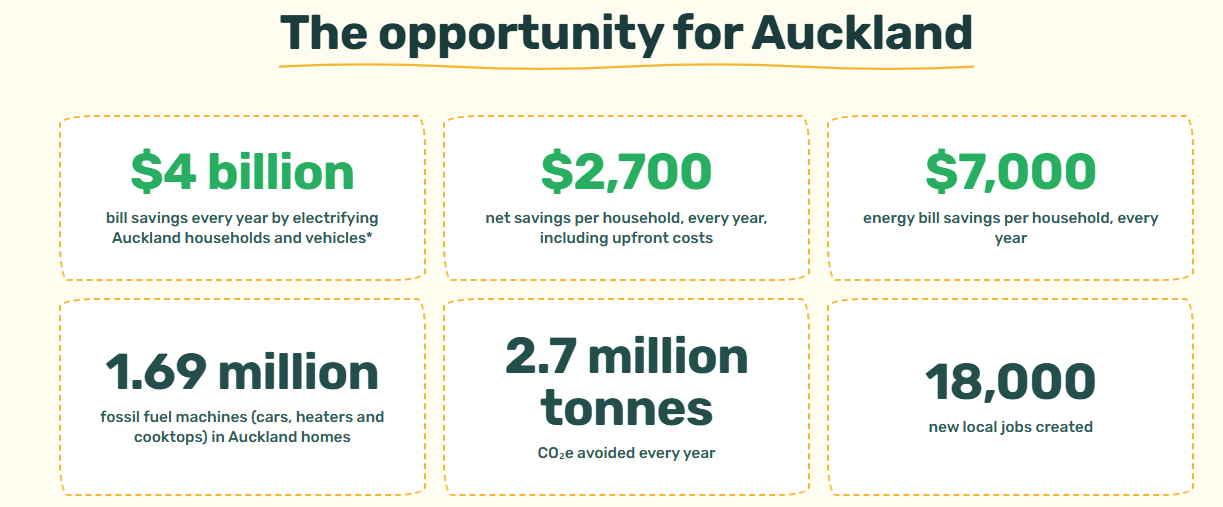
Just as every home is slightly different, so is every region. And our newly-released Regional Reports, which combine Rewiring Aotearoa’s Electric Homes and Vehicles 2026 and Machine Count research, show how different places around the country can benefit from upgrading their fossil fuel machines to electric equivalents.
"The mechanism to address the dry year challenge should be technology neutral and the Government's proposed Winter Energy Reliability Obligation risks biasing thermal fuel solutions, when as the Authority rightly notes renewable dry year solutions could be lower cost. We are concerned about the process undertaken by the Government and MBIE to deliver the wider dry year solution and encourage the Electricity Authority to weigh in on policy matters, and advocate for a transparent expert to undertake this market design exercise."
We commend MBIE and the Government for recognising the critical role that Electricity Distribution Business (EDB) efficiency plays in energy affordability and the electrification of our economy. This is likely the biggest opportunity for EDB reform for many years, and we encourage reform that matches the scale of the transition we are in, the scale of the risk of getting it wrong, and the scale of the opportunity of getting it right.
Rewiring Aotearoa supports the Energy Efficiency and Conservation Authority’s (EECA) levy funding proposal for 2026/27, as we see significant benefits for electricity consumers and New Zealand’s productivity from EECA’s workstreams. This is evidenced through EECA’s performance where it has met or exceeded targeted measures, which include cost and energy savings, efficiency investment and other metrics that demonstrate the value EECA’s programmes provide.
Rewiring generally supports the improvements proposed in the Bill, and seek that the scope of these improvements be expanded to include the legislative changes required to enable the Ratepayer Assistance RAS due to the significant infrastructure and cost of living improvements this innovative financing RAS unlocks.
We believe the Multiple Trading Relationships proposal will benefit consumers by providing customers with more choice over how they buy and receive fair payment for exported solar.
Rewiring Aotearoa is very supportive of the Electricity Authority’s introduction of requirements for distributors to provide payments for exports at peak based on the avoided long run marginal cost of peak demand. This will fairly support consumers to invest in batteries and encourage people to supply surplus energy to the network when it is needed, benefiting all customers through lower electricity costs that we all pay through our power bills. To unlock the full extent of these benefits it is important that the intended group of customers have access to these payments. This intended group is the small businesses who do not have the bargaining power to negotiate fair benefits. It excludes large customers who are already more likely to be rewarded for the benefits their injection (exports) provides. Unfortunately the preferred proposal the Electricity Authority (the Authority) has set out in this consultation will not achieve this, and will reduce benefits to customers and does not align with the Authority's statutory objectives.
We strongly support the Electricity Authority’s aim of removing unnecessary barriers to more efficient investment in distributed generation and maximise the benefits it brings for all New Zealanders. It is great to see the progress the EA is making in its Networks connection workstreams which will translate in real benefits for consumers. We agree with the Electricity Authority's description of benefits from distributed generation and support the proposals set out in this consultation although propose some additional measures and modifications.
Solar and batteries - in homes and EVs - offer signicant resilience benefits during times of crisis and the Ratepayer Assistance Scheme can help unlock private investment.
Electrification is the single biggest opportunity to improve fuel security in New Zealand and that's why we think we need a bold national energy independence plan, not just more incremental changes to our current fuel security plan.
Unmanaged EV charging that occurs at network and system peaks could add unnecessary electricity infrastructure investment, increasing bills for all customers. Investment in our networks is scaled to meet peak demands and has the potential to significantly increase electricity bills over the coming decades. It is important we take action to shift demand, where it makes sense, to avoid peak demand increases. Rewiring Aotearoa is very supportive of the efforts the Ministry of Business Innovation and Employment is taking to consider options to deliver a more flexible electricity system that will lower system costs for all consumers. Uptake of smart EV chargers is one way to manage peak EV demand and support a lower system cost. However we do not think there is a strong enough case to mandate that all fixed EV charging units sold in New Zealand must be smart.
Rewiring Aotearoa supports the proposed changes to Multiple Trading Relationships (MTR) (allowing two traders – distributed generation and consumption), which will increase consumer choice and introduce more competition to retail tariffs. For example, it will disincentivise tariffs that offer competitive export tariffs, but also ramp up consumption tariffs. The Electricity Authority should also implement changes at this time that require retailers to allow large sites to share solar across multiple co-located installation control points (ICPs, i.e. ICP aggregation), and facilitate peer to peer trading for small scale renewable generators with local sites. Rewiring Aotearoa disagrees that delaying these steps via a staged approach is in consumers best interest. Consumers should not have to wait until demand increases to unlock the benefits of their solar and battery systems or access more competitive options from retailers. This should be supported now, to help consumers make investment and retail tariff decisions that reduce their overall energy bills.
We appreciate that broader resource management reform is underway that will ultimately provide a more consistent national framework. However, we cannot afford to wait for the perfect system while workable solutions are delayed. In the meantime, inconsistent and unnecessary consenting requirements for small-scale ground-mounted solar are slowing down projects that could deliver immediate benefits - lowering energy costs, strengthening resilience, and supporting the grid. While long-term reform is important, immediate adjustments will ensure small-scale solar isn’t held back by outdated or inconsistent rules.
"Investing in natural gas in homes doesn’t make economic sense anymore for New Zealanders ... Rewiring Aotearoa’s view is that the Government should support a managed transition away from natural gas for the homes and non-industrial businesses connected to reticulated natural gas distribution networks. This would help address inequity for households on low incomes and renters, and provide greater certainty over how quickly customers will disconnect, when networks would likely retire and cost recovery timelines."
Rewiring Aotearoa's submission highlights that successful digitalisation should allow customers to maximise benefits from their provision of demand flexibility and solar and battery exports, without third parties (aggregators or VPPs) routinely taking a cut of the value. Retail offerings that include time of use prices and fair export tariffs will be key enablers of successful digitalisation of the electricity system. Customers need a fair deal through their electricity prices and export tariffs. This means the customers need to have the option to choose from a range of retail tariffs that include time of use prices, fair export tariffs (that reflect the value in the wholesale market) and symmetrical export tariffs from distributors.
Rewiring Aotearoa is extremely supportive of the focus the Electricity Authority is putting into exploring opportunities and seeking views on a more ‘decentralised’ electricity system. It’s great to see the release of the Green Paper seeking views from New Zealanders on the role they can play in the future electricity system and how a more decentralised electricity system should evolve. As the Green Paper explains New Zealanders will benefit from a more decentralised, community-centric energy system through lower energy bills, greater energy resilience, fuel security and lower emissions. However there are some assumptions and emphasis in the Green Paper that we think needs to change
Rewiring Aotearoa is supportive of the Innovation and non-traditional solutions allowance (INTSA) and the development of Guidance for submissions. Read our full submission by downloading the document.
While the potential implications of the Bill are wide-ranging, our submission has focused on the potential implications for the electrification of Aotearoa NZ if the Bill is enacted as proposed. This is pertinent to Rewiring’s work, because one of our core aims is to help reduce energy bills for customers - NZ’s households, farms, and businesses. Significant changes are needed to fix the status quo, and we are concerned that the Bill may inadvertently bake in the existing rules governing the sector.
Rewiring Aotearoa is supportive of the development of Publicly Available Specification for Residential solar photovoltaic (PV) and battery storage systems guidelines. These guidelines can provide a consolidated and trusted source of information to help households navigate the process of choosing and installing solar PV and batteries. There is some messaging and information in the PAS that we think needs to be changed or added to provide households with the best advice to support them to maximise benefits from solar PV and batteries. This includes removing the focus on pay back periods and informing households about cost savings from day one from solar PV and batteries financed over the life of the system. Households also need information about the potential risks of some existing lease to own sales models which provide little real benefit to households with the bulk of the savings captured in suppliers profits. Download the document to read our full submission.
In a cross-submission, Rewiring Aotearoa has responded to a range of concerns raised by other submitters in the Energy Competition Task Force's consulation.
We support the role that government procurement can play in benefitting every community across the motu. We agree that simplifying and streamlining the procurement process is important, and reducing rules is a logical starting point. However, this should not undermine key considerations and past efforts in ensuring government spending supports long-term positive outcomes. Government procurement can support us to go for growth by increasing productivity of energy, which is a fundamental economic input
Overall, Rewiring Aotearoa welcomes the objectives of this package of proposals. from the Energy Competition Task Force. We view the package as a critical step in improving energy system outcomes for all consumers. We consider retailers paying consumers fairly as a critical step, and we are mostly satisfied with the Task Force’s approach to this (initiative 2C) and think it will create better outcomes for New Zealand consumers and the energy system as a whole. In contrast, the Task Force’s preferred option around how distributors are required to reward peak input from consumers (initiative 2A) will not in our view meet the Task Force’s (or the Electricity Authority’s) stated objectives.
Focusing on the emissions reductions at home through electrification is a major opportunity (and challenge) for Aotearoa NZ. Homes, farms, and businesses must play a role in driving emissions reductions through electrification and the potential must be recognised and addressed to our 2035 international climate change target.
Rewiring Aotearoa believes we need to make better use of our existing infrastrucuture, see customers as an essential part of a 21st Century energy system and that electrification will lead to much greater energy security and resilience.
Rewiring Aotearoa's submission to the Electricity Authority on its Network Connections Project - Stage One is in and it is good to see the Authority practicing its statutory objective of protecting the interests of consumers.
The Ministry for Business, Innovation and Employment opened consultation on a discussion document about amendments to the Electricity Safety Regulations to expand the permitted voltage range for electricity supply. Rewiring Aotearoa's submission believes changes are needed to prepare for the rapid adoption of customer energy resources, and electricity distribution companies need to be compelled to allow export limits to be increased.
The Department for Prime Minister and Cabinet and the Ministry for the Environment proposed a topic for a Long Term Insights Briefing entitled 'Everyone plays a part: building New Zealand’s resilience in the context of global trends and our unique natural environment'. Rewiring Aotearoa's submission says energy security and resilience, critical infrastructure failing and commodity/energy price shocks are especially important for Aotearoa NZ’s resilience to future challenges, and farms can also play an important role.
Our ERP2 submission outlines what we think needs to be done to improve the Government's plan to reach our climate targets, electrify the Aotearoa New Zealand economy and build a fairer future energy system for New Zealanders that saves people money and does not leave anyone behind.
There is a relevant saying: ‘Information wants to be free’. While the proposed Consumer and Data Product Bill takes a step in that direction, it does not offer the level of freedom that could be technically accomplished, nor the level of freedom that is likely to unlock the maximum level of innovation.
Rakiura / Stewart Island faces the highest electricity prices in New Zealand. Successive governments have funded report after report and numerous fly-in visits by Ministers have failed to change this situation for the local community. Rewiring Aotearoa believes the opportunity is to harness existing solar and battery technology to deliver significant cost-of-living savings and reduced emissions at scale via electrification on Stewart Island right now. With financed solar and batteries, electricity usage costs for residents could be halved without delay. Rewiring Aotearoa has been engaging with the local community, who have been sending us their power bills. On Saturday 27th April some of the Rewiring team visited Stewart Island (including Mike Rewi who has strong whakapapa to Stewart Island). What we are hearing from this community is many locals fear the proposals and the likely “preferred option” will be focused on replacing current diesel generators, not on reducing the cost of energy for consumers. Our proposal outlines Rewiring Aotearoa’s pitch for an alternative approach to develop a community-led energy solution for the Island.
Overall, we encourage the Commission to think beyond competition merely as a driver for innovation, to consider the outcomes from innovation for the long term benefit for New Zealanders. Rewiring Aotearoa believes one such outcome from market innovation is supporting the electrification opportunity for Aotearoa New Zealand. The Commission has the opportunity to play an active role in driving this not just through the energy market, but also through the personal banking market. It is important that these functions are not seen in isolation, but as a system, to better realise the Commission's role in delivering on NZ’s emissions reduction plan, and 2050 Nationally Determined Contribution.
18 March 2024: New Zealand is one of the first places in the world where electric appliances and vehicles are now more affordable than their fossil fuel equivalents. A new report has shown that, on average, homes currently using gas appliances and petrol vehicles could save thousands every year if they went electric and got their electricity from a combination of rooftop solar, home battery and New Zealand’s already highly renewable grid.
In this future, consumer infrastructure needs to compete on a level playing field with traditional infrastructure – if a $10,000 battery on a consumer’s premises can provide the same service as a $20,000 supply-side asset (a network or generation investment), the consumer’s asset should be selected for the service. However, today there is a systemic bias towards traditional infrastructure largely because it is seen as significantly more ‘dependable’. There are a variety of historical reasons for this. Our primary context to this submission is that many of the assumptions and rationale for this bias are quickly falling away, and DPP4 provides a significant opportunity for the Commerce Commission (the Commission) to reset the assumptions and correct some of this bias.

The EA has the ability to take a leadership role in the energy transition on behalf of electricity consumers. Far more than the Commerce Commission’s oversight of EDBs investment plans, the EA’s network pricing workplan gives consumers agency in the development of the electricity system. When consumer agency is stifled, they will likely have significantly worse financial outcomes on their bills. Much of the necessary changes have been demonstrated already locally or overseas, and the remaining question is not if the changes are possible but if we as a nation will have the courage to implement them on the timeline required to drive better energy transition outcomes for consumers.

Subsidies, incentives and infrastructure investment aimed at speeding up electrification would help households address the cost of living in a permanent way, massively increase fuel security, protect local jobs, reduce emissions and improve the balance of trade by reducing imported fuel use. And the dividends would far exceed the costs. Here’s where the Government would get the best bang for buck.
Around 1.8 million New Zealanders rely on a car as their main method of getting to work and plenty of them would love an EV, but the upfront cost often stands in the way - especially for low and middle income households who tend to buy older second hand cars. The EV Salary Boost scheme could help get more of the ‘middle million’ into an EV and save them thousands every year on bills, improve the country’s energy security, and reduce pollution - all at a lower cost to the Government than its current fuel subsidies. Here’s how it works.
New Zealand is well-endowed with natural resources that we have harnessed to run our homes, farms and businesses. We are very reliant on hydro storage for electricity and when it doesn't rain we need to rely on other sources. So what's the best way to plug that gap as we wait for more renewables resources to come online?
Solar is the fastest growing source of electricity globally. And it’s the cheapest form of electricity available to New Zealand households. But not every home is suitable for panels. Not everyone owns the home they live in. And not everyone can access the capital for a rooftop solar system. That’s why there’s also been a surge of small-scale or plug-in solar in a number of countries. So why not here in New Zealand?
The biggest barrier to unlocking the household savings that electric technology offers - as well as the many other public benefits - is the upfront cost. Long-term, low-interest energy loans are the ladder we need to get more people over that.
We need gas in the short term to generate electricity and for certain industries to keep operating, but gas is expensive, it is likely to get more expensive, and it is running out faster than expected. So how do we use it now? How are shortages and price rises impacting homes and businesses? And what can we replace it with?
We need great urban design that encourages electric public and active transport for safe neighbourhoods and healthy lifestyles, but we also need electric cars for rapid decarbonisation and to address all the vehicle travel we realistically aren’t going to shift or avoid. These two things can be complementary.
When it comes to our energy system, we could do the bare minimum and pay the price, or we could think ahead and reap the rewards. Here's what both of those options could look like in 2030.
You will always have to pay for an energy subscription. Using renewable electricity in electric machines (and ideally running on the sun) is the cheapest energy subscription you can get. Here's how the numbers stack up.
Plenty of people need cars (and plenty of people still want them), and other vehicles are literal engines of prosperity. We don't have to give them up to reach our climate goals. We just need them to be electric.
Solar on our rooftops, farms and businesses can displace the emissions generated by burning fossil fuels in our homes and especially our cars, provide the extra electricity we need to run our electric machines, help bring the cost of electricity down for everyone on the network, and improve our energy security by keeping water in our hydro lakes for when we need it most.
We often hear from people who aren’t sure if switching to an electric alternative is the right move. One of the most common questions we get asked is ‘will switching to an electric machine actually reduce my carbon footprint if creating the new machine or materials produces emissions?’It’s a fair question, and we completely agree it’s important to think about the full life cycle of the products we buy and use. Electric alternatives, including vehicles, often produce more emissions than fossil fuel equivalents during manufacturing. But, over the lifetime of the machine, they create much less carbon pollution because they don't burn any fuel.
Fossil fuels for homes, transport and industrial processes make up the vast majority of the country’s total energy consumption. Electrifying the machines that use these fossil fuels means we will use more electricity but much less energy overall.
An electrified energy system is actually full of opportunities for redesign, reuse, recovery and recycling. There are opportunities for innovators and entrepreneurs to generate value across the lifespan of every energy asset, not least the return of its components to the manufacturing cycle. To explore this further, Rewiring Aotearoa has partnered with Circularity, local experts in circular design and strategy, to explain what the circular economy is, how to integrate circularity into the design of energy systems, and the role of policy strategy to make it happen.
There are no free lunches in energy. But some lunches are far, far cheaper than others. Electrifying everything will massively reduce the overall material and energy requirements of the global energy system. This can be said with high confidence. To be sure, renewable energy systems take materials and energy to build. But this is dwarfed by the mind-boggling scale of extraction, consumption and wastefulness of fossil energy.
People sometimes talk about ‘carbon tunnel vision’ – that is, the single-minded pursuit of emission reductions at the sake of everything else. But this is the wrong way to think about electrification. It isn’t only about emissions (even though preventing the world from dangerous overheating is quite the co-benefit). It isn’t only about the tech or the kit: the rooftop solar panels, the batteries, the electrified appliances and vehicles. These are just the means to an end. Electrification is about people and it is a fundamentally better way to power our lives and livelihoods.

Australia's battery sales take off as Government incentive drives demand; Australia's first urban renewable energy zone is announced; the Whole Story and Hutt City Council launch some electric resources for kids; Germany finds more uses for solar panels on its highways; and predictions versus reality when it comes to solar and coal.

With a classic Kiwi combination of pride and self-doubt, we charge our glasses after another big week of electric momentum; Auckland gets a glimpse of its first electric ferry from EV Maritime; Whakatane finds a clever way to get past the upfront costs and start running on the sun; a big study shows how pervasive EV myths have become even though they are "demonstrably false"; and our misperceptions continue when it comes to fires at battery energy storage systems.

In this week's collection of electric eyecatchers, Utrecht unveils a pioneering car sharing scheme that embraces vehicle-to-grid technology and bidirectional charging; a company making solar panels that blend in beautifully; a successful community energy project in Rio De Janeiro helps favela residents; China continues to dominate the global electrification race; Saul Griffith releases a new book on how to go electric; and reviewers* call the latest instalment of MegaWatts "a gripping romp, a triumph, a tour de force".

A massive week for New Zealand's electrification push with a big conference, a big manifesto and a big campaign aimed at a minister with a once-in-a-generation opportunity to do something big; Farmlands and Blackcurrent launch a new product to make it easier for farmers to invest in solar and storage; ASB compares a house run on dino juice with a house run on electricity; some sage advice from a solar expert about what to look out for; and a car that brings a new meaning to 'electricute'.
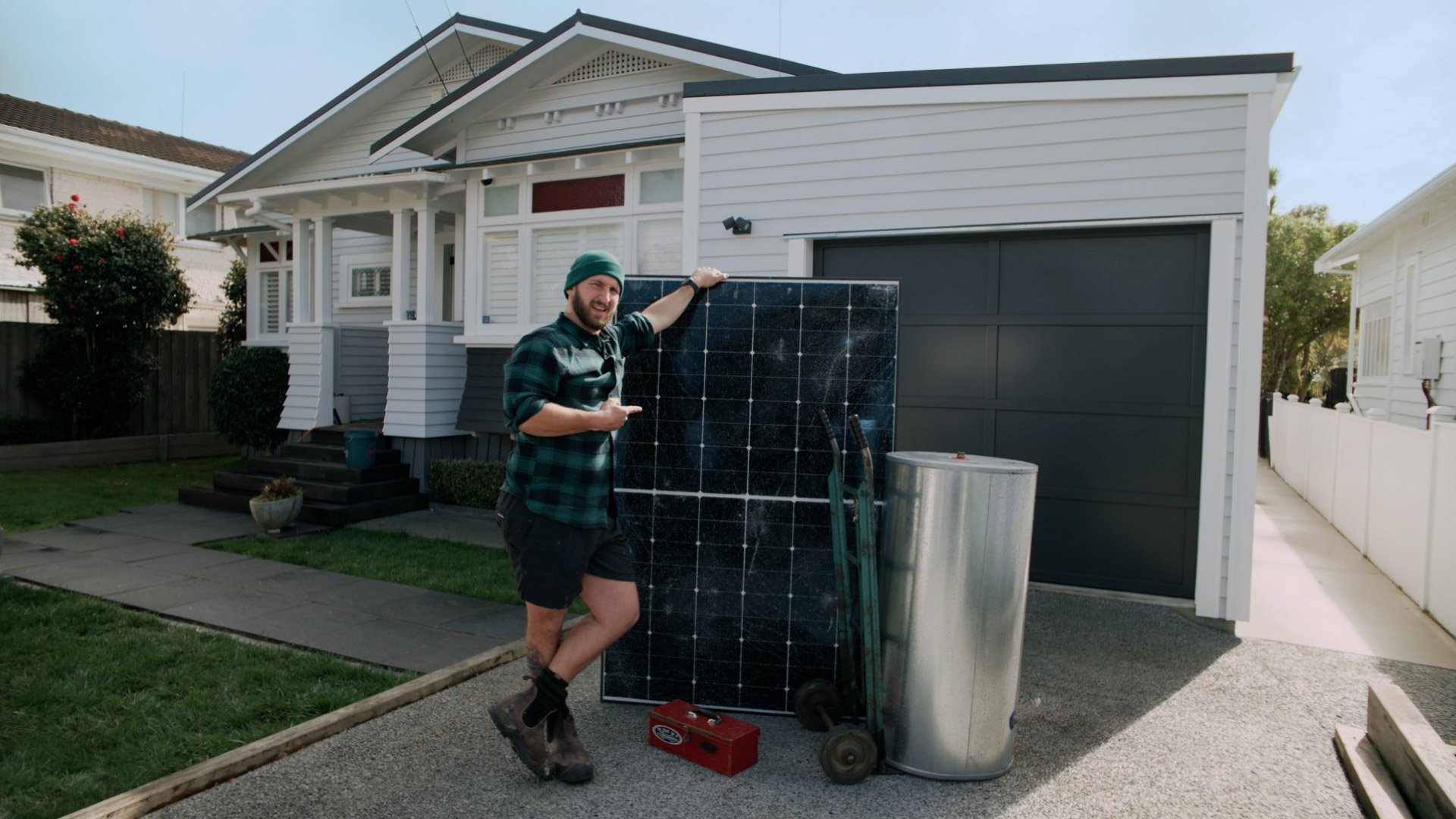
Meridian cuts the ribbon on its big new battery set-up at a place that's closely connected to fossil fuels; Aussie company AUSEV gets approval to send its tweaked electric Ford utes to New Zealand; Pivotal sends its electric ultralight flying machine skyward; Phoenix explains - and expands - its solar panel recycling scheme; and Octopus Energy announces a scheme in the UK where landlords and tenants can benefit from solar.

The IEA's EV outlook shows another big bump in global sales; research shows what to focus on if you want to promote EVs (even to the sceptics); New Zealand solar uptake has spiked but is still a long way behind other markets; the price of renewables continues to fall faster than governments predict; the company improving induction (and trying to sneak batteries into homes in appliances); and the companies recycling batteries to get the minerals we need for the electric transition (at lower cost than 'virgin' mining).

It's been a big week for Rewiring Aotearoa with the launch of the Machine Count and there's plenty of electric momentum elsewhere, too, as Tasmanian company Incat launches the world's biggest electric boat, Old Blighty backs Old Brighty with a policy to put solar on all new builds, a Swiss company's mission to add solar panels to the country's railway network and a helpful (satirical) app that allows you to 'meditate through the meltdown' and 'push down the climate anxiety'.

Resilience from solar and batteries comes to the fore after more severe weather events, big overseas outages and fossil fuel issues; Australia's electric election offers a glimpse at what next year might look like in New Zealand; US students from Worcester Polytechnic Institute need your help to improve their electrification dashboard; a new 'radically affordable' and 'radically personalisable' EV ute (and its unhinged ad) is launched in the US; and what needs to change so we can re-use big EV batteries in other ways.

It's ANZAC Day and we're showcasing the good kind of arms race as CATL one-ups BYD with its speedy new battery charging technology, big new storage systems take off in Aus, and prices continue to drop; why workplace EV charging is a good option for businesses and the grid; solar becomes transportable with an Austrian company's fold out container solution; an indepth look at Christchurch Airport's new electric firetruck; and solar enthusiasts take it a bit too far.

Plenty of electric easter treats this week, with more electric buses heading to Dunedin and Wellington (and some more positive regional competition); a major new study shows EVs are more reliable than internal combustion cars; the Tesla Cybertruck stops in for a visit at Forest Lodge Orchard; an enterprising Aussie tests a solar solution to charge his electric ute, and all-electric housing developments coming up with new business models and offering greater resilience to storms.
The EStroke Electrification boat was one of the most popular attractions at the Electrify Christchurch Expo - and for good reason. As Michael and Jeff Smit told Mike Casey, retrofitting an old petrol boat with a Nissan Leaf motor and battery pack means you can have fun without the fumes on the water - and lower your leisure costs by running on electrons.
As they say on the infomercials, 'there's got to be a better way'. And Pajo Gazibara reckons he's found it by swapping diesel engines for electric equivalents on boats.
New Zealanders - including the Minister of Transport Chris Bishop - love their Nissan Leafs, but the very early models do have their limitations. So what if you could give your Leaf a new lease on life? As Andrew Rushmore says, ECVS can help with that as it sells battery replacements that can increase range from around 60km to 350km.
Fast, clean, and quiet: Harry Bycroft knows that electric boats are the future. At the Electrify Te Tai Tokerau Expo, he took us for a tour of Ngaru (under the watchful eye of his mother Fiona Bycroft, the CEO of Naut) and he's a pretty good salesman.
"I always hated the idea of a generator next to me running." Nils Kühlsen was enhancing the buzz at the Electrify Hawke's Bay expo recently and he was doing it with his solar-powered N.O.W (Nils on Wheels) coffee bus.
When Gunnar Friese visited his parents in Germany about a year and a half ago, he saw a lot of plug-in solar systems, but when he returned to New Zealand, he found they were illegal here. Since then he has been on a mission to introduce the technology and, with many political parties now on board and the Ministry of Regulation proposing it be legalised, it looks like it's about to take off.
Whether it's the growing number of electric buses, new electric trains for the lower North Island and City Rail Link, or new electric ferries, we love seeing more electric transport options in our big cities. It's also good to see some of our smaller cities like Palmerston North, Timaru and Nelson going electric and, as is almost always the case, the drivers reckon it's better on electrons. At the Electrify Nelson expo, we spoke with one driver Lee about the city's electric buses. And he definitely wouldn't go back to diesel.
Roger Robson-Williams owns 20% of New Zealand's electric tractor fleet. That sounds impressive, until you learn there are only five of them. But, like his fellow electric tractor enthusiast Mike Casey, he's on a mission to change that by providing a bit of inspiration and information.
"Free money!" "Free power!" "Bloody good!" Landlord Harry Pearson and his tenant Lenny Wills are living in a win-win world and, as they told Rewiring's Matt Newman at the Electrify Nelson expo over the weekend, it’s all down to solar.
The Vatican is aiming to be the first solar-powered 'nation' and, as solar advocate Bill McKibben likes to say, there are plenty of churches around the world generating energy from heaven rather than hell. One of them is the Discovery Christian Centre in Hamilton East, which has 48 panels on its roof.
Support us
Your donations help our team keep the momentum of rapidly electrifying Aotearoa New Zealand within our key focus areas of community, government and industry.


Our Newsletter
Stay informed about our work and discover various ways to contribute to enabling rapid electrification. Join our vibrant community of like-minded individuals.
Check out our privacy policy here
Contact us
hello@rewiring.nz

