Te Whakahiko i ngā Marae | the Electric Marae report

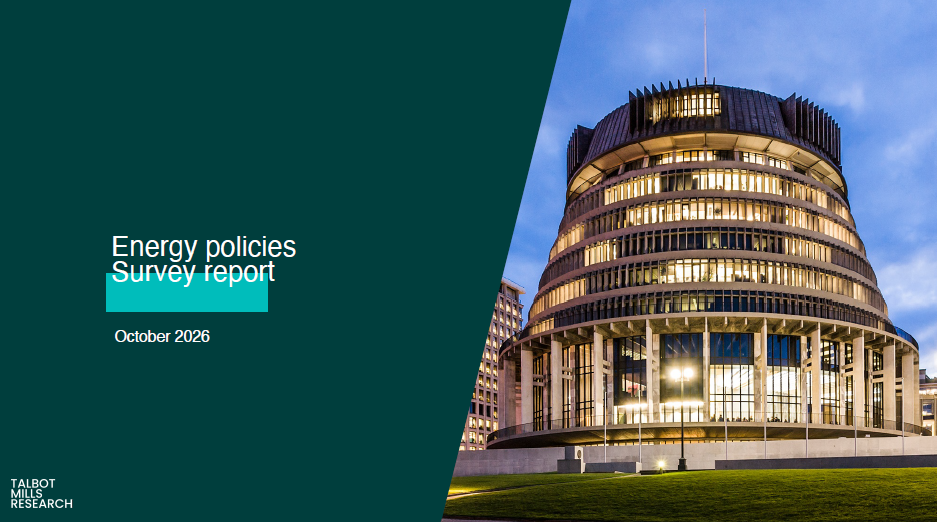

According to a new poll from Talbot Mills, energy will be a major factor for almost three quarters of voters on November 7 and just 12% think spending $1 billion on an LNG import terminal is a good use of Government money.
Rewiring Aotearoa and 350 Aotearoa commissioned the poll and, as Rewiring CEO Mike Casey says: “The people have spoken and it is undoubtedly the ‘electric election’ we’ve been asking for. New Zealanders are sick of band-aid solutions that do little to bring down electricity and fuel costs, and they want the Government to invest in local renewables, not expensive, imported gas.”
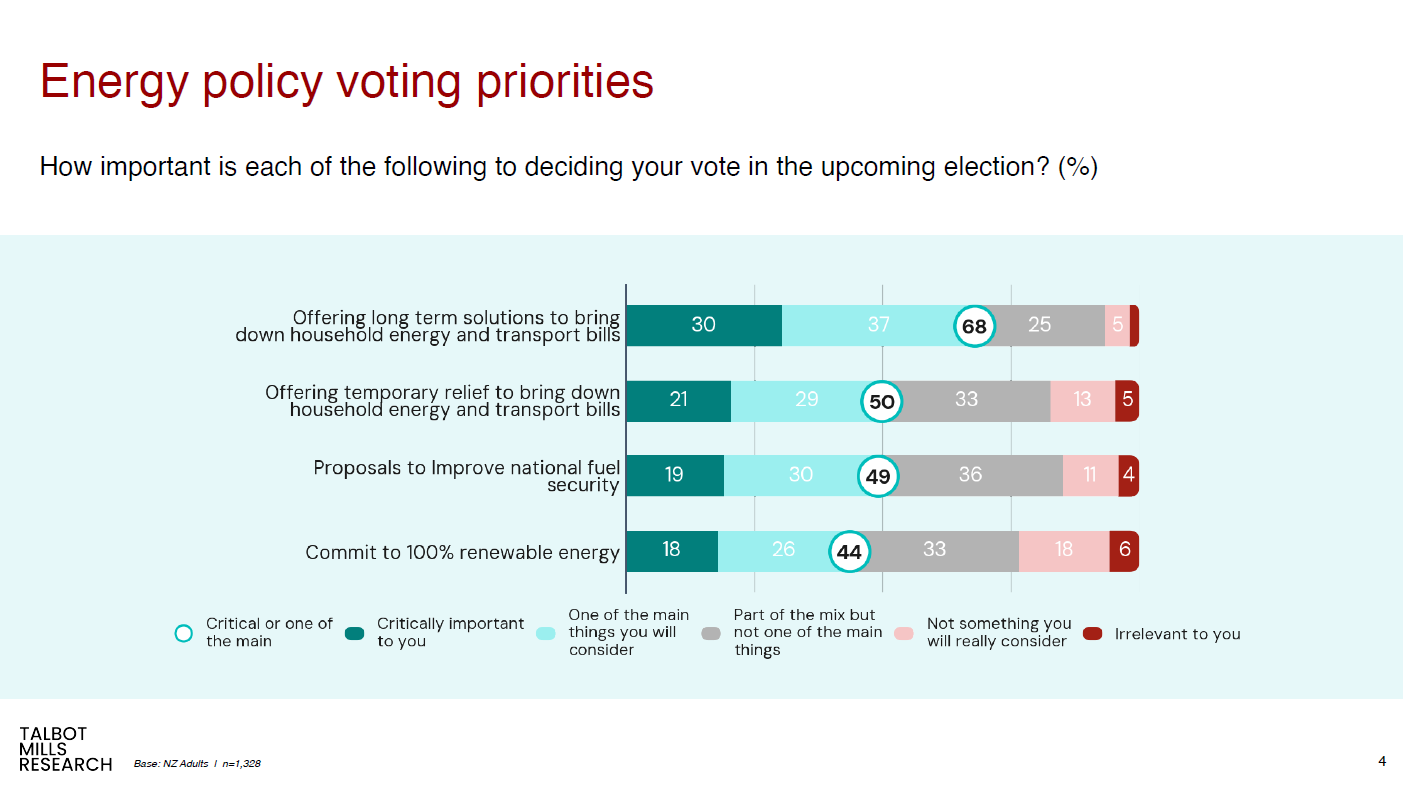
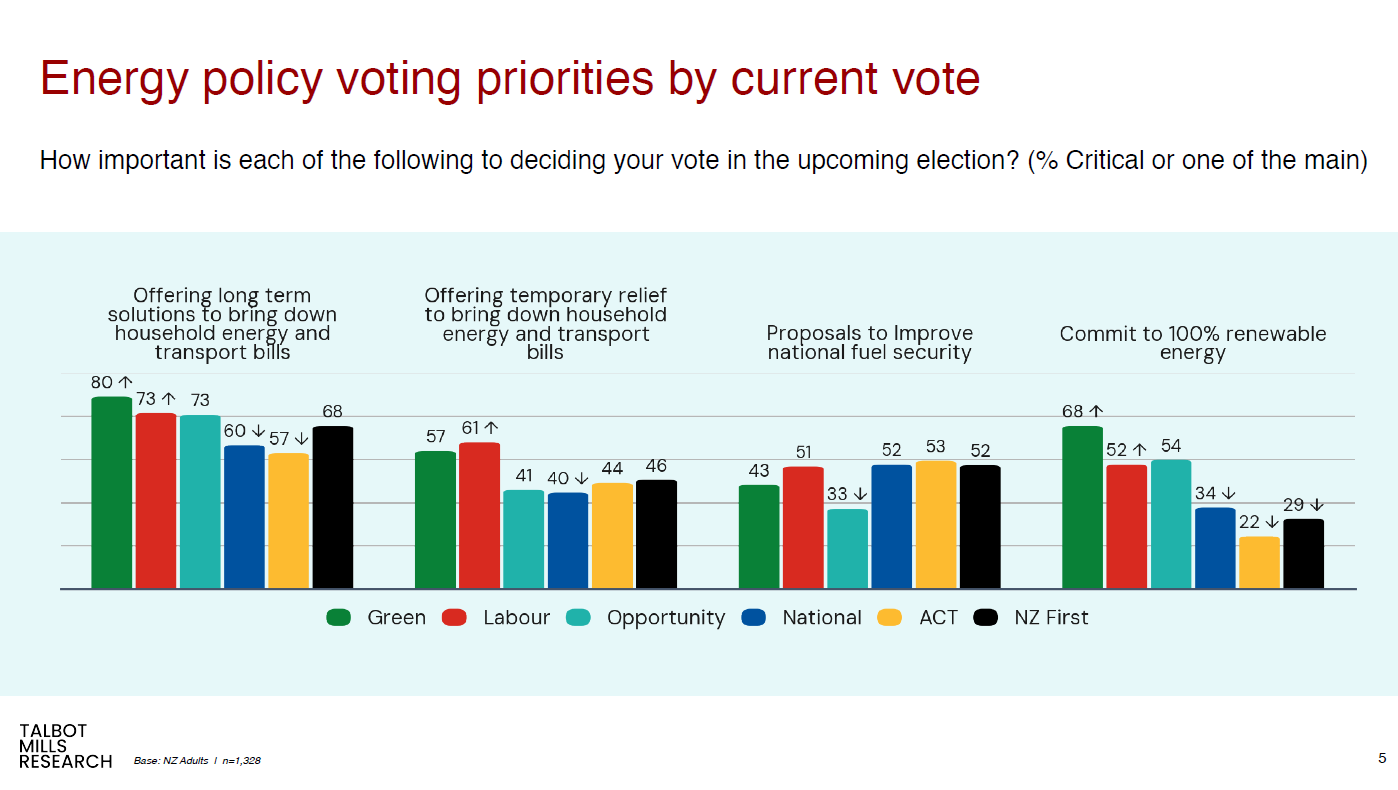
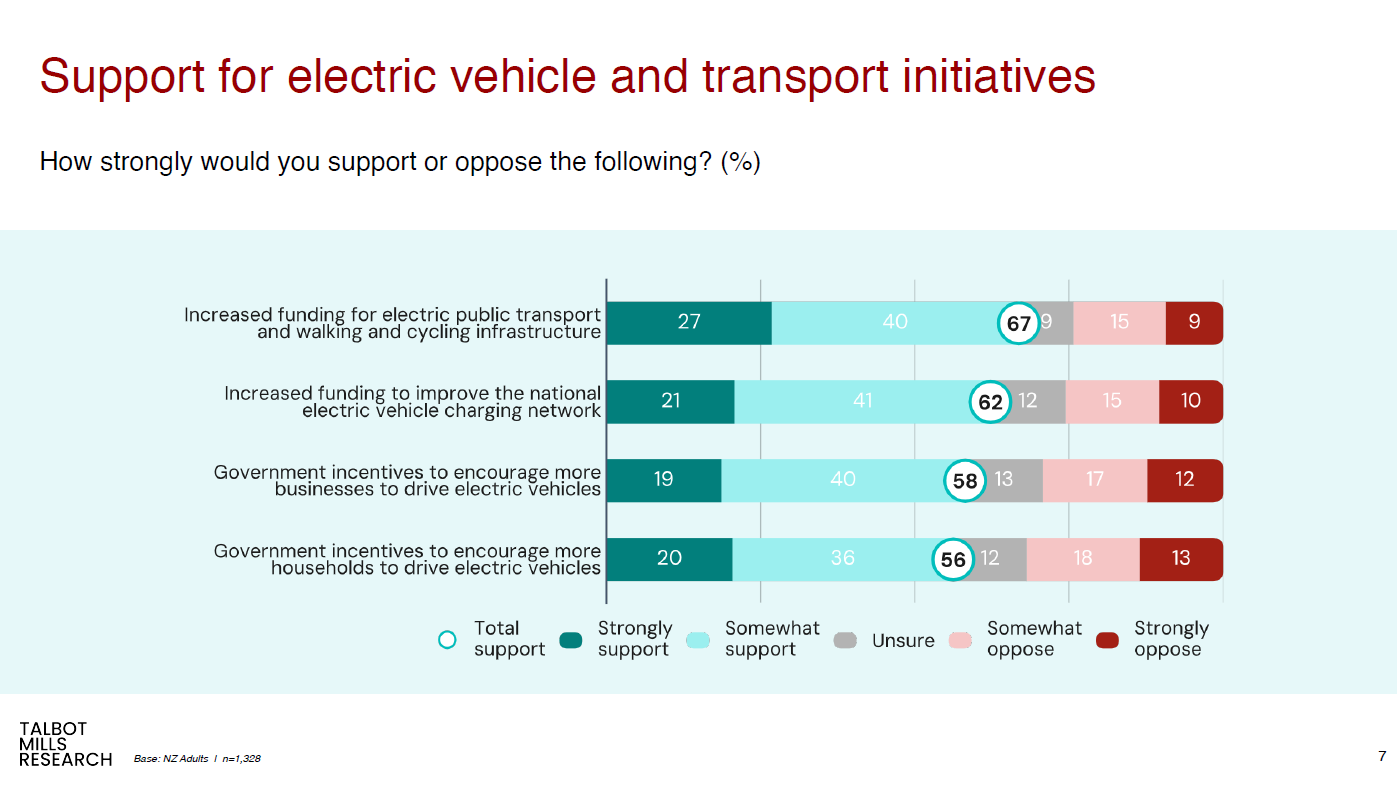
Key findings:
Casey says it’s been heartening to see a range of parties support long-term, low-interest loans for electric upgrades through the Ratepayer Assistance Scheme and more large-scale renewable generation being built, but there’s very little policy that focuses on reducing our reliance on imported fuel.
“In a normal year, we spend about $10 billion importing the stuff, which is about the same amount as we get for exporting milk powder. It’s a massive albatross around our economy’s neck at the best of times and we’ve paid an extra $2 billion this year for fuel imports and much more than that at the pump. As Drive Electric’s Kirsten Corson wrote recently, this is our $12.1 billion energy blindspot so we need our politicians to be braver and set us on a course to get away from the volatility.”
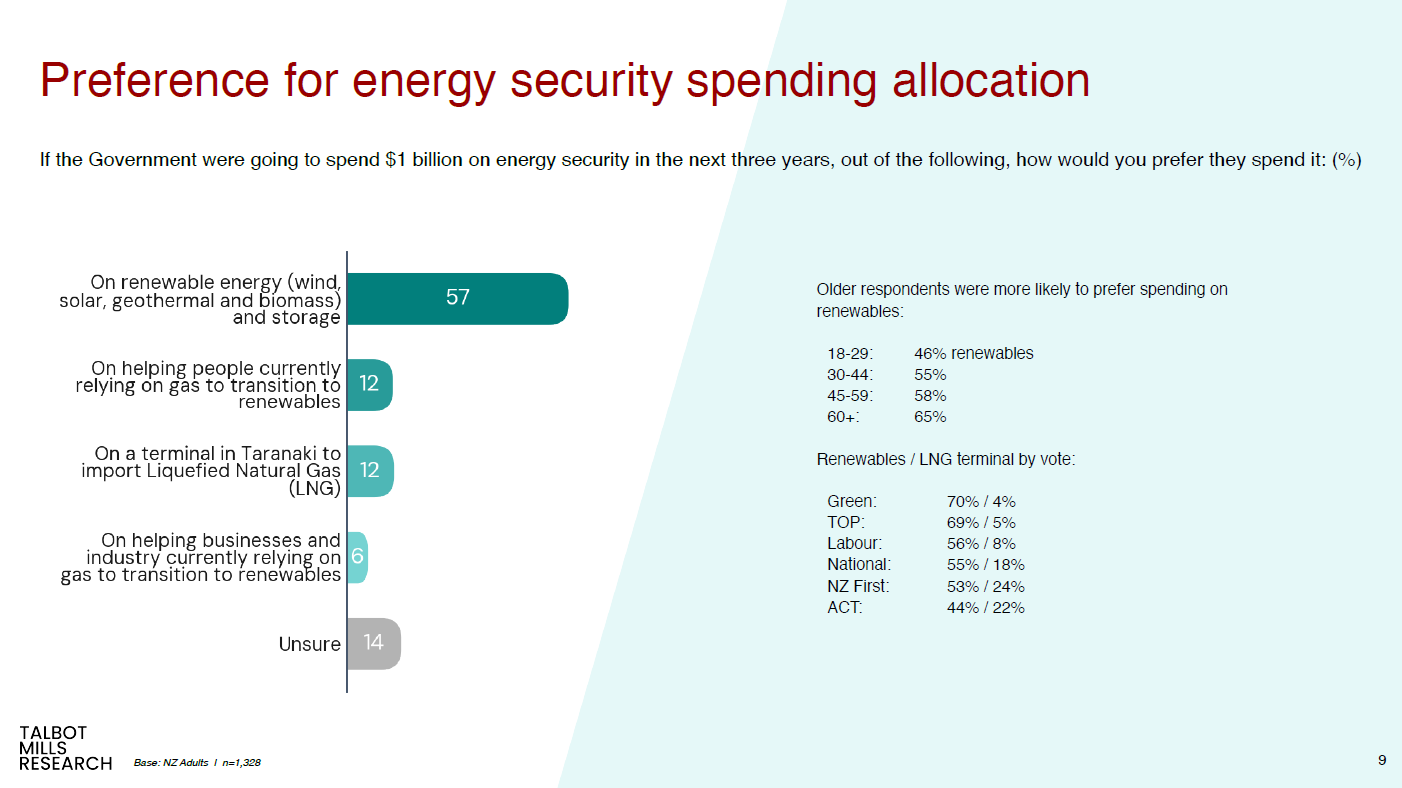
When it comes to energy security, the poll shows that 57% of New Zealanders prefer Government money be invested into renewables, with 12% wanting support for homes to move away from gas and 6% wanting support for businesses.
Casey says the LNG terminal would just increase our reliance on imports by adding a new fuel to the list and the case for importing LNG for the electricity industry never stacked up.
“The case is even weaker now that the price of LNG has increased so much. It also doesn’t stack up as a solution for businesses looking for gas to keep operating because it’s so much more expensive than domestic gas. Those businesses would need to be subsidised by the Government so we should instead be investing in getting these businesses off gas and onto electric technology or wood as quickly as possible.”
Casey says around one third of the businesses on gas could switch economically now, another third can probably do it with some help, and the last third will need to look at other alternatives.
“Our energy strategy needs to be focused on more New Zealand-made energy running through more efficient electric machines and the polling shows that’s what the majority of New Zealanders want, too.”
350 Aotearoa’s Alva Feldmeier said: “The current government’s commitment to fund a new LNG terminal shows they’re stuck looking in a rear-view mirror. Some politicians have failed to wake up to the wind of change: New Zealanders know that the best way to bring down bills is to invest in renewable energy.”
ENDS
The sample was made up of 1,328 nationally representative respondents in New Zealand aged 18 or over.
Fieldwork for the questions in this report was conducted between 8 and 13 October 2026.
Download the report with all the findings here.
For more information or to arrange an interview, contact Ben Fahy at ben@rewiring.nz or 021 245 4894.
Rewiring Aotearoa is an independent charity working on energy, climate and electrification research, advocacy and education. The New Zealand-based team consists of energy, policy, communications and community outreach experts and it is funded by New Zealand-based philanthropists. While we are selling the achievable dream of a more secure, resilient, productive, affordable and renewable energy system, we do not financially benefit from sales of solar, EVs or any of the electric technologies we advocate for.
New Zealanders - including the Minister of Transport Chris Bishop - love their Nissan Leafs, but the very early models do have their limitations. So what if you could give your Leaf a new lease on life? As Andrew Rushmore says, ECVS can help with that as it sells battery replacements that can increase range from around 60km to 350km.
Read moreDownload"Putting solar panels on your roof feels like a no-brainer. You cut your power bill, and with a subscription model, you don't even pay upfront. So what went wrong for so many households? The answer is SolarZero." In The Post, Professor Alex Sims writes that "solar is good for households and the country, but people will only keep investing if they trust the market. The Commerce Commission should finish what it started, widen Utilities Disputes' reach, and the government should set proper standards for a rapidly growing industry".
Read moreDownload
