Operation Laser Kiwi: help us take New Zealand-made energy on the road


The Age of Electricity continues to ramp up and solar and wind are providing the extra juice; ASB releases a report on why businesses need to take energy into their own hands, but Mitre 10 Mega in Silverdale and the Christchurch Art Gallery already know that; global EV sales continue to rise and two-way charging is a massive opportunity, according to the World Economic Forum; research shows (and anecdotal evidence confirms) that concerns about battery longevity of EVs are unfounded.; The Spinoff's Robbie Nichol uses our explainer to explain plug-in solar; there's no need to heat rooms when you can heat humans directly; and some truly remarkable features from Zeekr and Xpeng.

The age of electricity
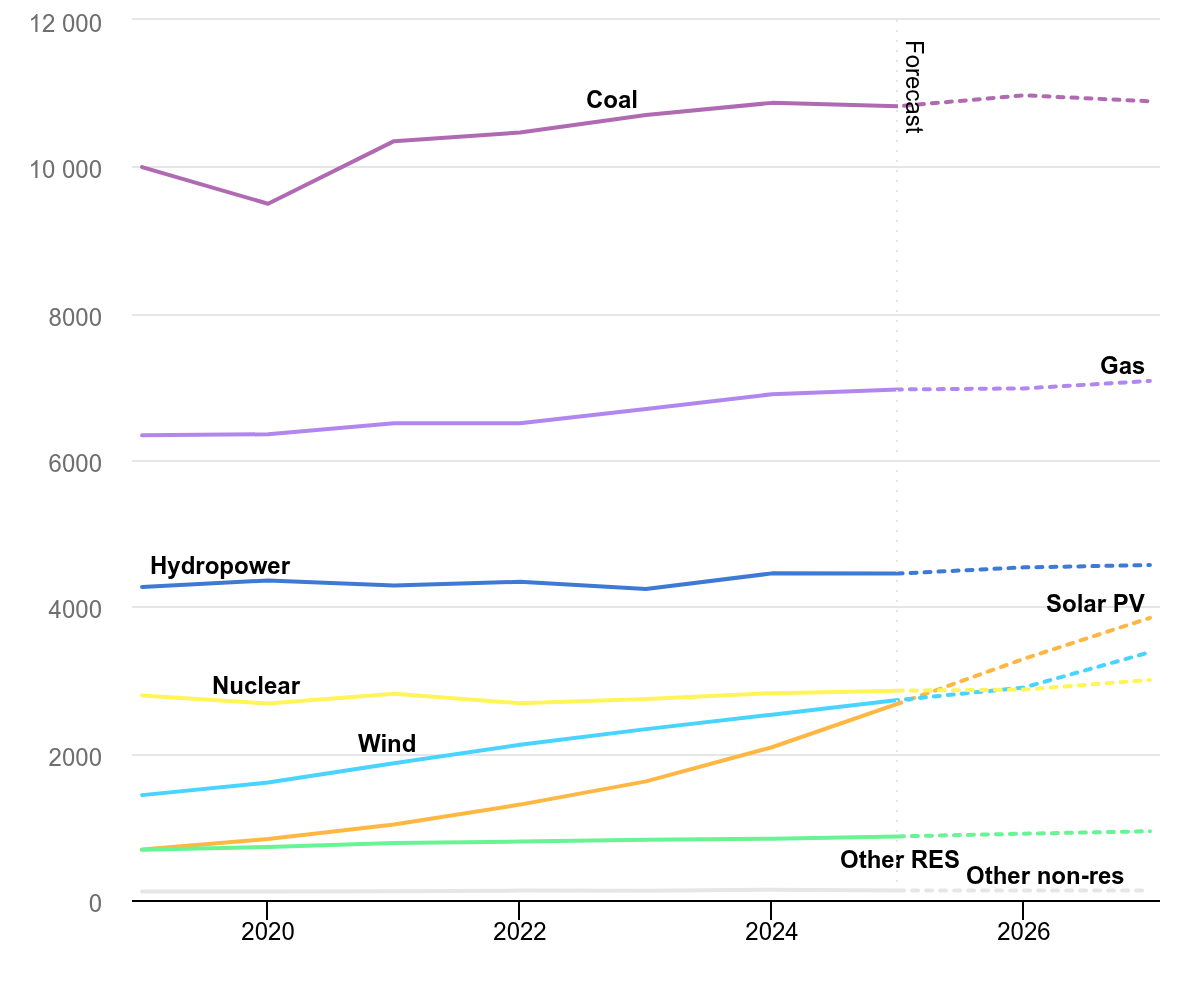
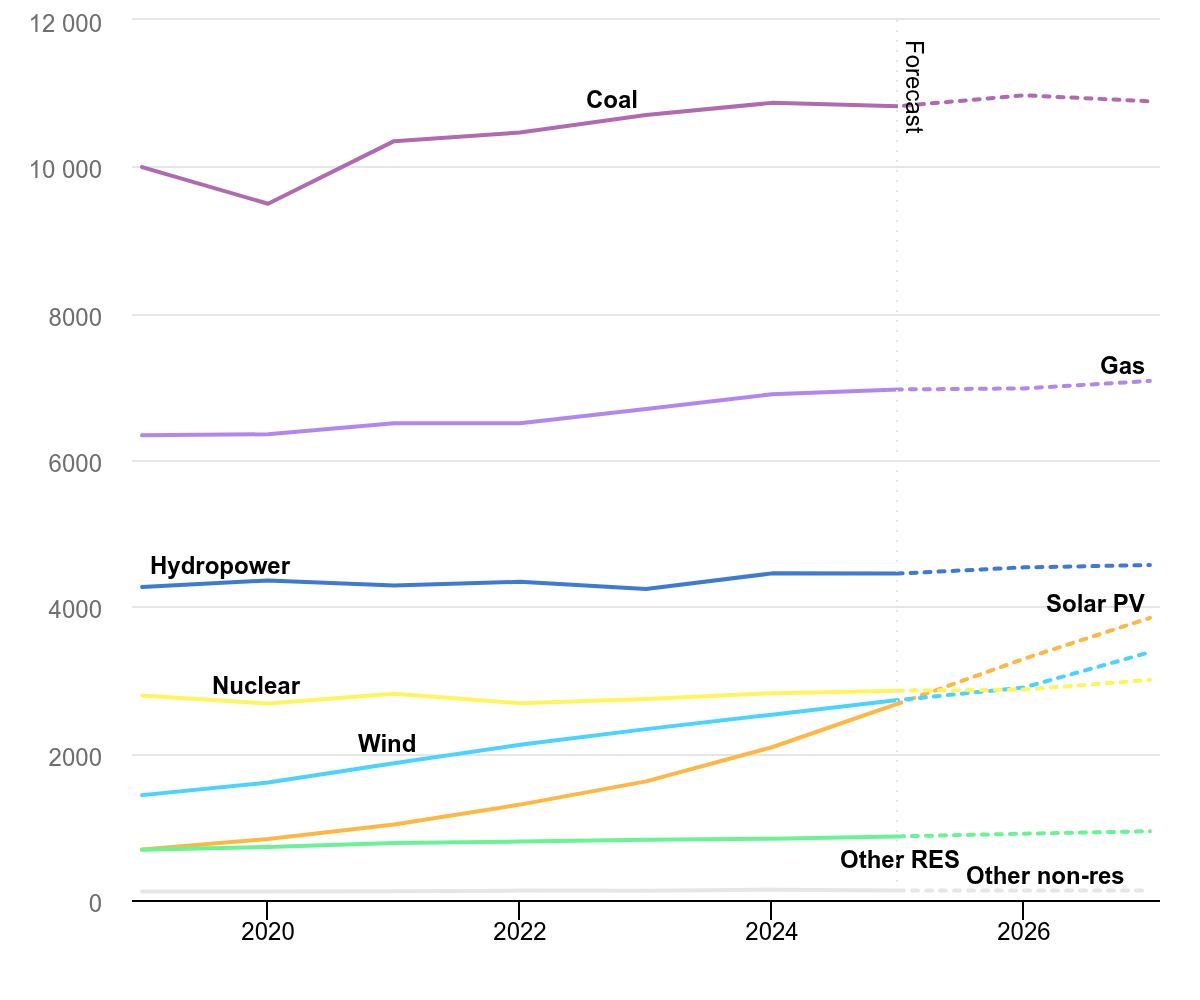
The International Energy Agency has just released its mid-year update and while the war in the Middle East has pushed the price of generation up, demand for electricity is on track to rise faster in 2026 and 2027 than in 2025" due to"structural drivers – including industrial growth; increasing appliance ownership; the accelerating uptake of electric vehicles, air conditioning and heat pumps; and expanding data centre capacity.”
One notable data point is that “electricity generation from renewables is set to overtake coal-fired output in 2026, widening their share in the global electricity supply mix.”
“After reaching near parity with coal in 2025, global generation from renewables is forecast to grow by more than 8% in 2026. Its share in the electricity generation mix is set to rise from 33% in 2025 to 37% by 2027.”
Mega savings
ASB has just launched a report called ‘Opportunity in an era of energy shocks’ that shows now is a good time for businesses to take energy into their own hands. Plenty already have, and they’re benefitting. One of them is Mitre 10 Mega in Silverdale and, as head of sustainability Julie Roberts said on social, they’re cooking with sunlight.
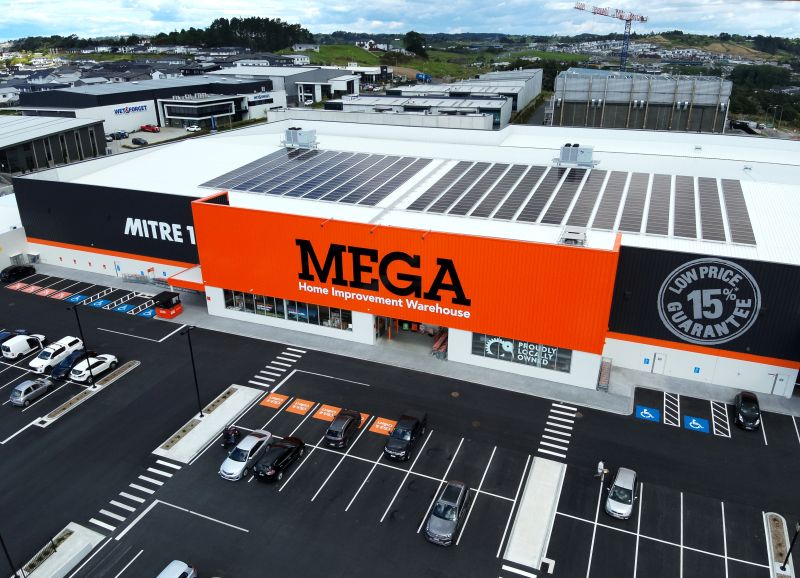
After two years, its 240kW install has seen:
• $122.7k cumulative financial benefit
• 673 MWh of solar generation
• 49 tonnes of CO₂ emissions avoided
• 43% of the site's electricity demand supplied by solar
• Over 30% of the original capital investment recovered in just two years
Seeing stats like this - and seeing grid electricity and petrol and diesel prices heading in the other direction - it’s no surprise more businesses are looking at energy more closely.
As Revolve Energy’s Shay Brazier says: “Savings of this magnitude demonstrate we should not be focused on saving every $ on the upfront capital. As an industry, we need to be building well-designed, high-quality systems (like this one), so we can repeatedly achieve these long-term benefits.”
Work of art
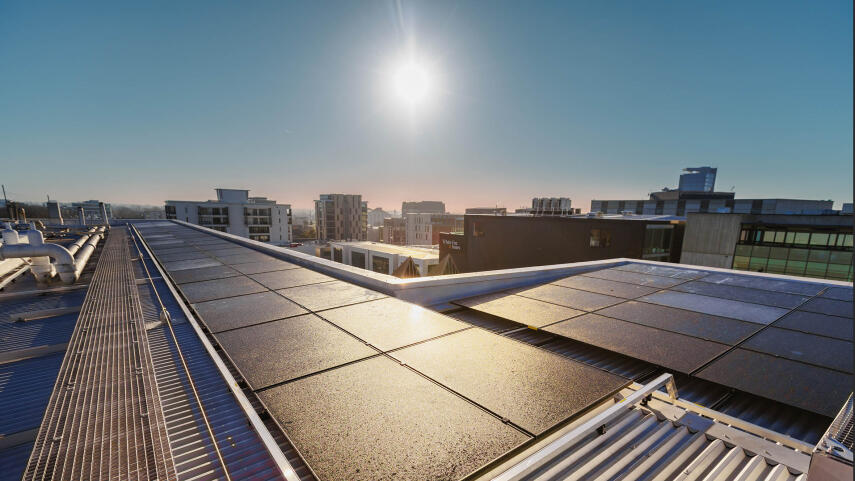
Christchurch City Council has also been leading the way and ensuring its new public buildings - from the stadium to the recreation centre - are fully electric. It has been running a trial with solar and it obvioulsy worked well because it has just added 488 panels to the Art Gallery.
This is expected to save $32,000 a year in electricity and supply around 20 per cent of the building’s yearly power requirements (as it needs to keep the building at a set temperature to protect the artworks, there’s a fair bit of energy required).
Christchurch Mayor Phil Mauger said:
“The space on top of the Art Gallery is otherwise underutilised so it’s a real no-brainer to put solar panels up there. I’m a real fan of solar, particularly as it's becoming the cheaper option compared to buying from the grid and is a simple way to reduce Council’s emissions. It also helps with our resilience in an emergency - If the network is down, we still have power being generated by the solar panels and can get some electricity into our buildings.”
Run on the sun
We often see homes with solar looking to electrify their transport. 60% of all new cars are bought by businesses in New Zealand and when you’ve got an oil well and refinery on the roof, it makes sense to fuel them with the sun and avoid the ups and downs we’ve seen in the past few months as a result of the war in the Middle East.
As well as reducing fuel costs, these vehicles can also play a role when they’re not moving - either at home or at work - and they could also help stabilise the grid and deal with peak demand.
The World Economic Forum has produced a video showing the potential of two-way charging and named everything-to-grid as one of the Top 10 Emerging Technologies of 2026.
Global EV sales are growing rapidly, but it’s not just wealthy countries getting in on the electric act. As Our World in Data showed, it’s also happening in Latin America, too.
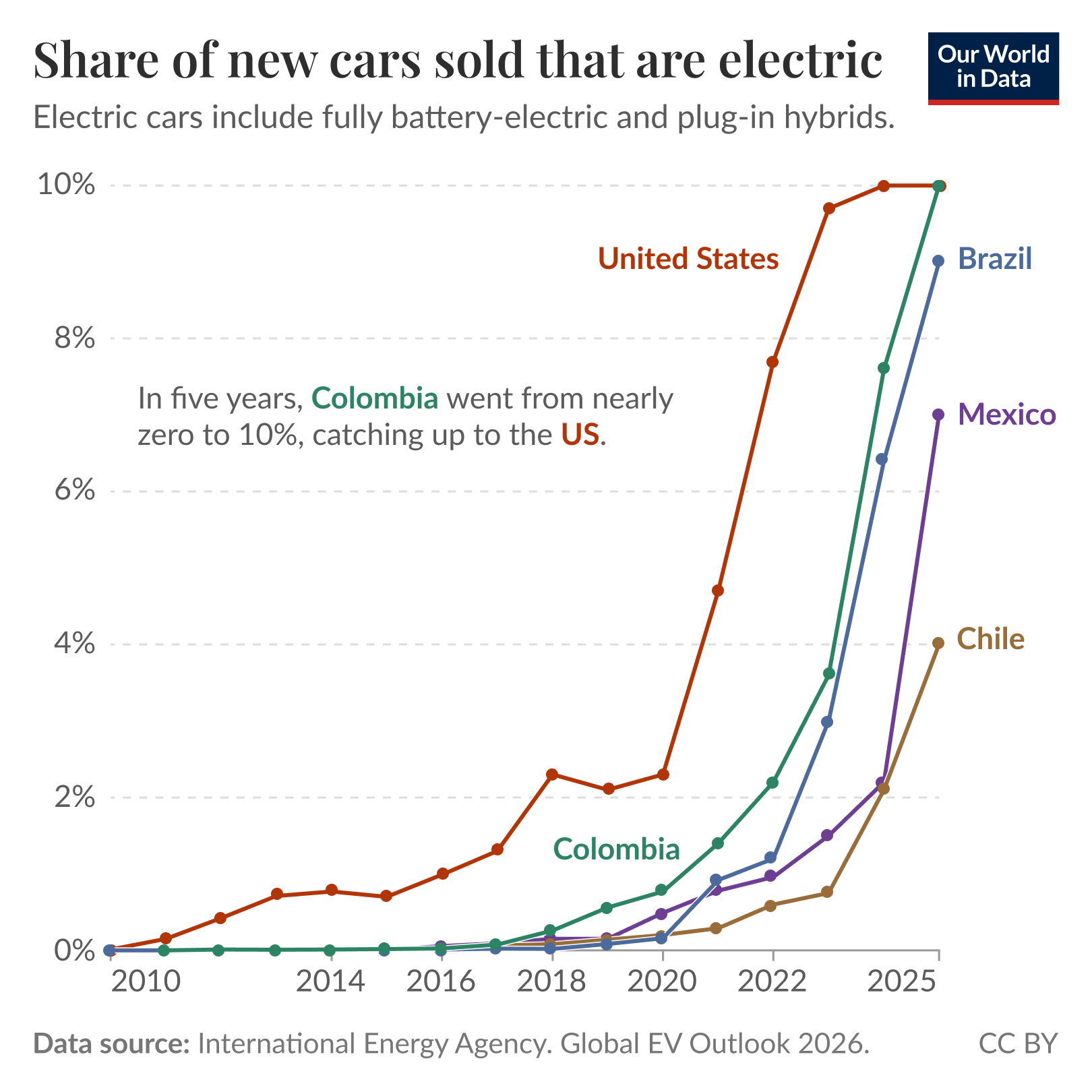
The US is a large exception to that rule and the Trump administration is doing its best to fight against the tide, mostly driven by ideology, but it’s fighting a losing battle given the economics of driving electric.
Life as we know it
Amber Electric is an Aussie company helping customers make the most of new energy technology. And it’s just put out a great post that should help alleviate concerns over battery degradation.
We’ve seen plenty of anecdotal stories of EV batteries going long and strong, but there is also plenty of good data.
As it wrote:
“Concern about battery longevity remains one of the most common barriers to EV adoption. It's also the objection we hear most about vehicle-to-grid (V2G) and vehicle-to-home (V2H): if my battery wears out with use, why would I use it more?
Recurrent monitors tens of thousands of EVs in the United States, and found that the average EV retains approximately 95% of original capacity after five years on the road. Geotab's fleet telematics back that up, putting average degradation below 2% per year. The Geotab figure includes vehicles that were fast-charged regularly, so it's a realistic and non-best-case number. A Swedish analysis of 9,954 battery health tests run between 2022 and 2026 found that after 100,000 km, capacity retention sat between 91.7% to 97.25% across all models examined.
Approximately 1 in 12 EVs built between 2011 and 2016 eventually needed a new battery pack - and that group is dominated by early Nissan Leafs built without active thermal management. The tech has moved on since then, and for vehicles built from 2022 onward, the replacement rate is 0.3%.
Even in that unlucky 0.3%, you're likely to be well covered. Every EV sold in Australia comes with a separate high-voltage battery warranty of at least seven years, most commonly eight years or 160,000 km, and typically guarantees 70% capacity retention.
Degradation isn't random and a consistent set of factors has been found to accelerate it, and they're worth knowing about as an owner:
The intuitive objection to bidirectional charging is that more cycling must mean more wear. Early experimental and modelling work seemed to support that fear, but those studies imposed deep, accelerated cycling on the battery. Later research that models degradation mechanisms has qualified the finding substantially, and showed that managed bidirectional charging can actually help reduce battery capacity fade over time.
Shameless plug
We reckon that sun in a socket is about to take off like a rocket. Our explainer runs through all the benefits, and The Spinoff’s Robbie Nichol has added his own unique take to it for this clip.
Heated rivalry
Start-ups are always ‘trying to make the world a better place’. And the TV show Silicon Valley skewered that brilliantly. But there might be something in this microwaving idea. Our data team is currently modelling the savings.
Electric air
EVs have a range of impressive features these days, but it is amazing how far they’ve come. The Zeekr 9x even defies the laws of gravity.

Or, if you want to splash out and really get high, there's always the Xpeng that comes with its own personal helicopter.
People installing solar power systems with batteries on their homes, hoping to avoid the disruption of a power cut, are being told to check with the installer that the battery can provide that protection.
Read moreDownloadKiwis are catching on to the benefits of solar panels - and demand's spiking ... But the industry warns we need about six thousand more trained electricians - across the country - to do the work. Rewiring Aotearoa Chief Executive, Mike Casey told Heather du Plessis-Allan he hopes interest will continue over time. He says oil shortages because of the Iran war is keeping demand high - with energy prices climbing. He says solar is the one reprieve Kiwis get.
Roger Robson-Williams owns 20% of New Zealand's electric tractor fleet. That sounds impressive, until you learn there are only five of them. But, like his fellow electric tractor enthusiast Mike Casey, he's on a mission to change that by providing a bit of inspiration and information.
Read moreDownload