Don't listen to Old Man Gas. Ditch LNG. Support New Zealand-made energy!

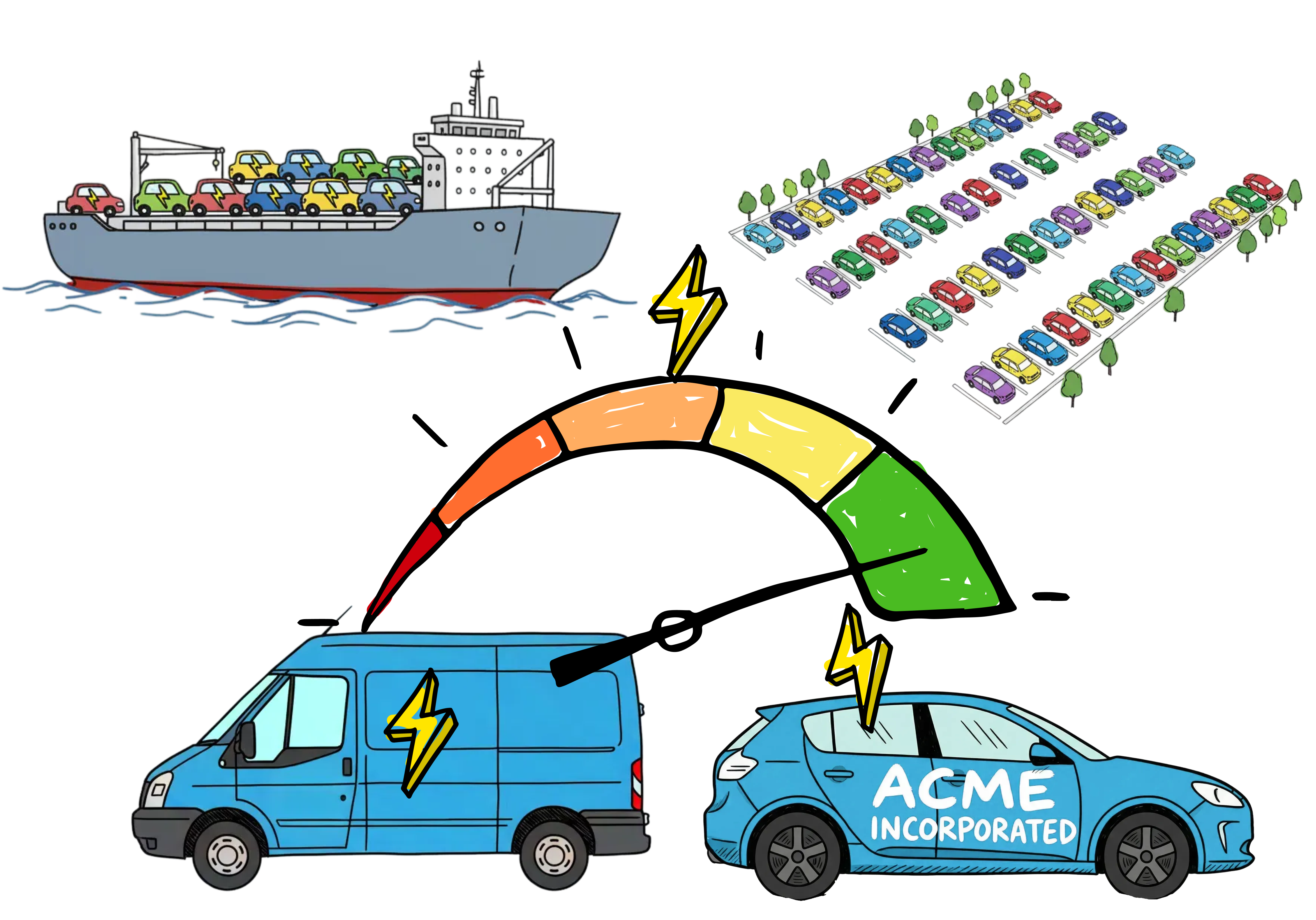

Around 150,000 new vehicles are purchased every year in New Zealand and around 60% of them are bought by businesses. We reckon a lot more of them should be electric - both for the benefit of those companies but also to seed the second-hand market - and that could be on the cards now because one of the major barriers to fleet EV uptake has been removed.
Following discussions with companies that had large vehicle fleets (including Vittoria Short at ASB), we learned that WorkSafe New Zealand guidance was getting in the way of wider EV adoption because if a work vehicle was being charged at an employee's home, the home was to be considered to be a workplace.
That came with the associated liability and compliance costs for companies and understandably put them off.
We talked with WorkSafe and now Workplace Relations and Safety Minister Brooke van Velden has taken action. The guidance has been updated and common sense has prevailed.
The Minister says it best: "Crucially, employee homes are no longer referred to as workplaces in the new guidelines... I expect this to free up the employer-owned EV landscape and give businesses more confidence to choose EVs for their organisations."
Rewiring is keen to keep working with companies to help drive fleet EV uptake. It makes so much sense for profitability, productivity, resilience, emissions and more. So whether it's company cars for getting around town or big rigs for getting around the country, the future is looking increasingly electric.
Read more about the change here.
Political Power has gone local! Dr Nick Smith, mayor of Nelson and ex-National Party minister, is an early adopter when it comes to electric machines but, through his efforts with the council and his close involvement with the Ratepayer Assistance Scheme, he's also embracing one of Rewiring's core mantras: once you've electrified your own life, electrify someone else's life, too.
Read moreDownloadWhether it's the growing number of electric buses, new electric trains for the lower North Island and City Rail Link, or new electric ferries, we love seeing more electric transport options in our big cities. It's also good to see some of our smaller cities like Palmerston North, Timaru and Nelson going electric and, as is almost always the case, the drivers reckon it's better on electrons. At the Electrify Nelson expo, we spoke with one driver Lee about the city's electric buses. And he definitely wouldn't go back to diesel.
Read moreDownload