Don't listen to Old Man Gas. Ditch LNG. Support New Zealand-made energy!


Electric vehicles are increasingly pulling into New Zealand workshops - and mechanics need the right qualifications to work on them safely. High-voltage battery systems carry risks for untrained technicians, and as EVs become a larger share of the national fleet, workshops without qualified staff risk being left behind. Some vehicle manufacturers are also beginning to require demonstrated technician competency as a condition of warranty-related work - a trend that is expected to grow. Here's where the training is on offer.
The New Zealand Certificate in Electric Vehicle Automotive Engineering (Level 5) is an NZQA-registered qualification designed for experienced technicians wanting to specialise in EV diagnosis and repair. Graduates gain the skills to safely identify and fix complex faults in both battery electric and hybrid vehicles - and to take on a senior technical role in a modern workshop.
EIT delivers a highly flexible, industry-focused programme designed specifically for working automotive technicians looking to upskill in electric and hybrid vehicle technology. The programme is completed part-time over one year and combines online learning evening classes, and practical block courses at EIT’s Hawke’s Bay campus.
EIT offers four intake start dates, giving learners multiple opportunities to start throughout the year and fit study around work and personal commitments.
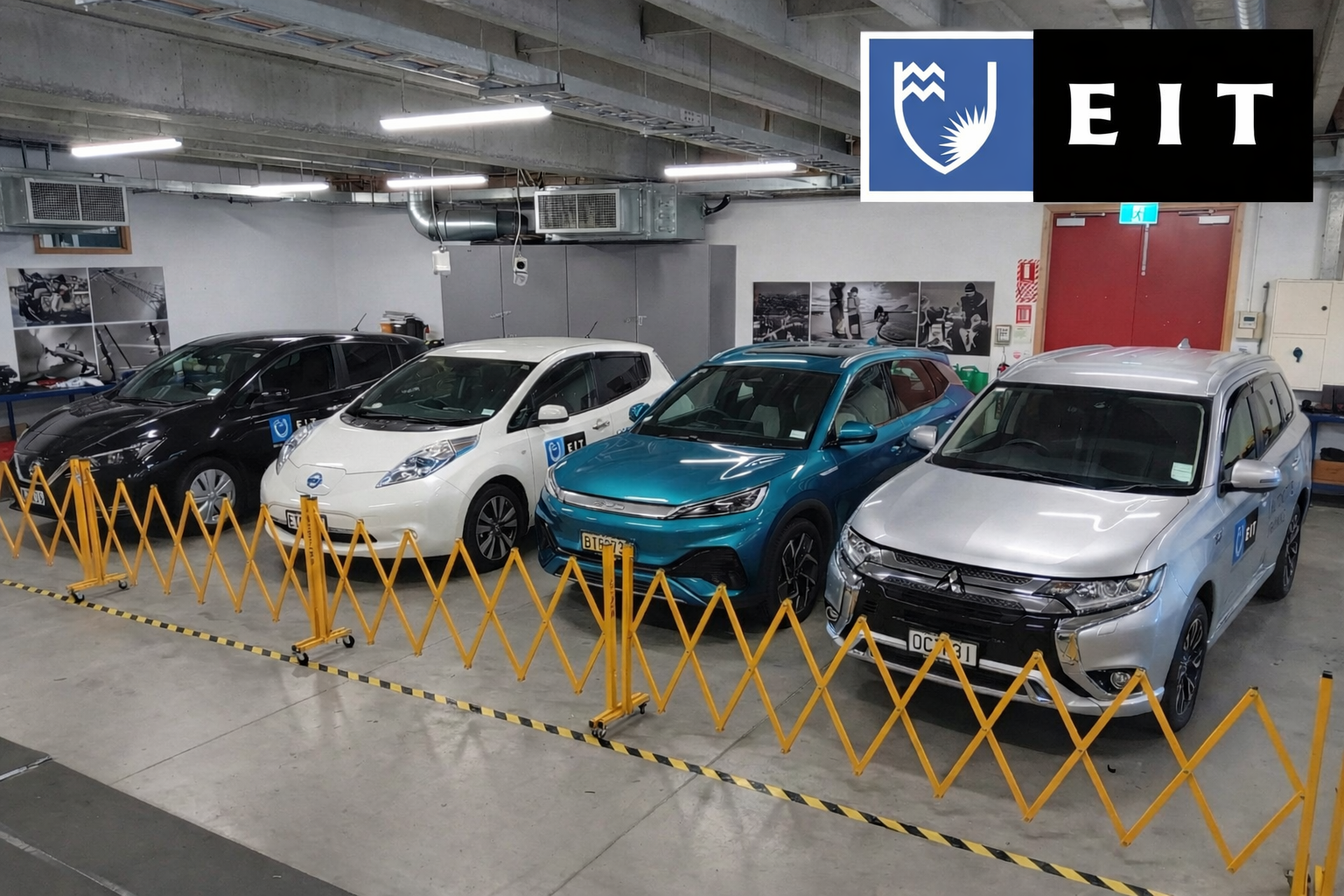
EIT is one of New Zealand's most established providers of this qualification, investing heavily in this area to offer a purpose built, well resourced Electric vehicle workshop. Equipped with state of the art equipment, advanced training aids, and late model electric and hybrid vehicles. This ensures students gain hands on diagnostic and practical experience using real world systems, not just theory.
Entry requires a Level 4 Automotive Engineering qualification or equivalent industry experience. The programme information is available here.
Cost: $1,463 (domestic students)
Contact: eit.ac.nz | info@eit.ac.nz | 0800 22 55 348
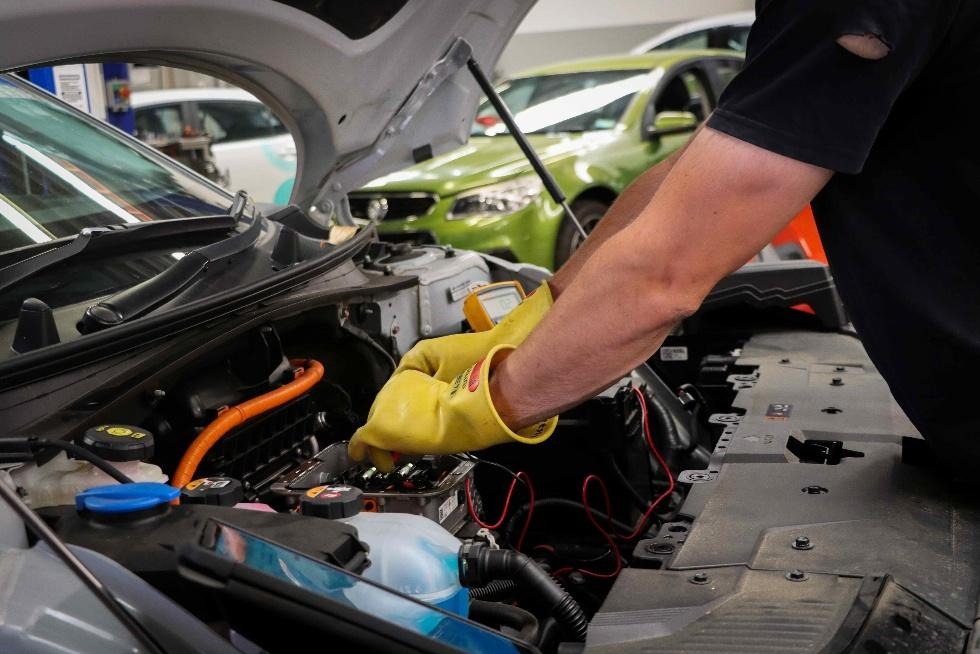
Otago Polytechnic is one of New Zealand's most established providers of this qualification and has been actively expanding its delivery nationally. The New Zealand Certificate in Electric Vehicle Automotive Engineering (Level 5) programme is designed for experienced automotive engineering technicians who want to work in an advanced technical role, specialising in electric vehicles. Otago offers four intakes per year, giving greater flexibility on start dates than most providers. You'll study online and complete block courses either at the Dunedin Campus or in your workplace. Entry requires a Level 4 Automotive Engineering qualification or equivalent. Graduates will be able to work in a range of workplaces that involve advanced diagnostic and repair of electric vehicle faults.
Cost: Contact Otago Polytechnic directly for current fees - fees may be partially or fully covered under the government's Fees Free scheme for eligible first-time tertiary learners. Domestic $1252, International $13475.
Contact: op.ac.nz | EngTrades@op.ac.nz | 0800 762 786
MITO is the leading provider of nationally recognised on-job automotive qualifications, working in partnership with industry to develop a capable and adaptable workforce. MITO automotive programmes are delivered nationwide across the motu, supported by our network of local Training Advisors. This ensures learners and employers receive personalised guidance and consistent support wherever they are based.
We are deeply committed to understanding market changes and responding with training that reflects real-world needs, particularly in emerging areas such as electric vehicles. Proper EV training is essential not only for safety, but also for business continuity, compliance, and future growth. Employers increasingly need confidence that their people can work on or around EVs safely, competently, and in line with industry standards.
In response to growing demand for EV capability, MITO has developed two dedicated EV qualifications that support learners at different stages of their journey:
Working Safely with Electric Vehicles Micro-credential (Level 4)
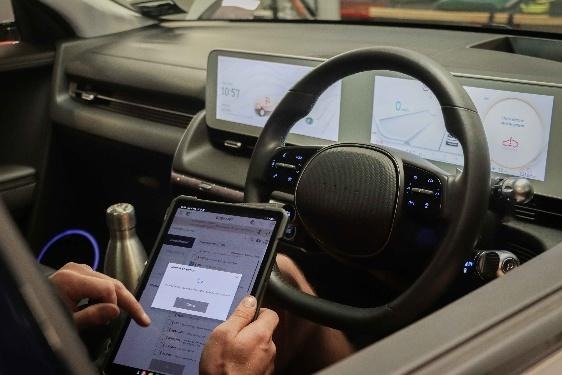
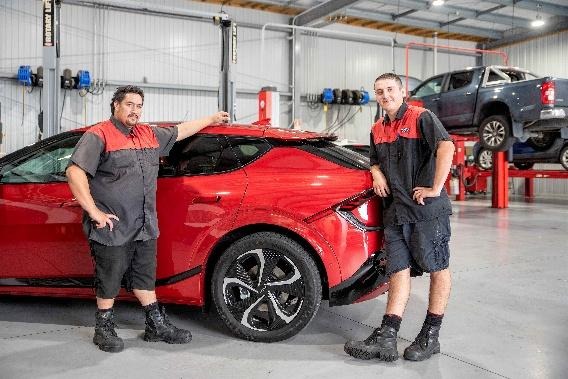
New Zealand Certificate in Electric Vehicle Automotive Engineering (Level 5)
Contact: mito.nz | 0800 88 21 21 | info@mito.org.nz
Old Man Gas will be featuring in a few newspapers and billboards this week discussing the proposed LNG import terminal. Not surprisingly, he has his justifications, but they don't stack up. It is a multi-billion dollar tax on Kiwis that many experts and sector players think is unnecessary.
Read moreDownload"The sentiment around making the electricity market fairer and cheaper for customers is great, but there's still something missing." That's Rewiring Aotearoa CEO Mike Casey's summary of Act's energy policy announcement today.
Read moreDownload