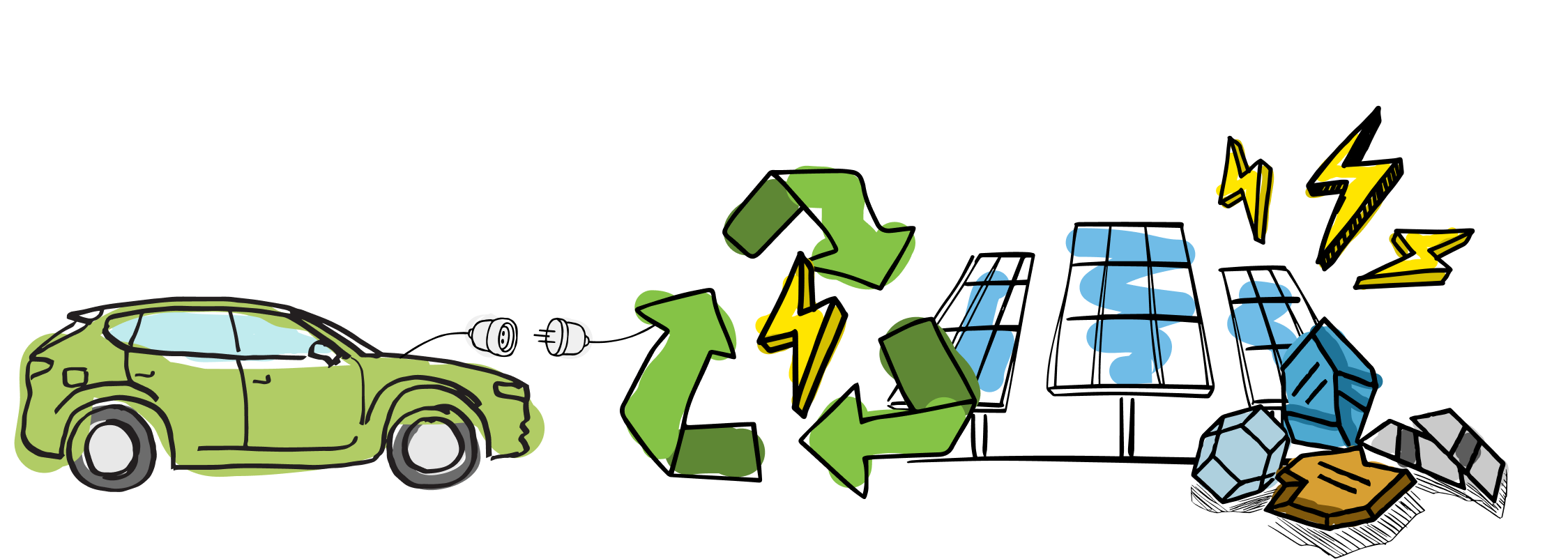
Mike Casey's explanation about solar panel waste and how we need to put it in perspective caught the attention of The Cooldown.
As it said:
Concerns over solar panel waste have long been part of the conversation around renewable energy, but new insight from an energy expert suggests the problem may not be as severe as some believe.
In a clip on Instagram, Mike Casey (@electricorchardist), the CEO of Rewiring Aotearoa, explains the potential for circularity in renewable energy systems.
With the right recycling systems in place, the majority of solar panel materials can be recovered, making the technology far more sustainable than commonly assumed.
"With 98% of solar panel materials recyclable, and electric vehicle materials being 90% recyclable, the future of sustainability is in circularity," Casey argues.
In the last Electric Avenue of 2025, we look at the two biggest trends in the world of energy; the Government goes electric for its fancy fleet upgrade; Nick Offerman offers his services to a US campaign extolling the virtues of EVs; Australia shows what's possible in new homes when you add solar, batteries and smart tech; a start-up selling portable solar and battery systems that wants it to be as easy and common as wi-fi; and The Lines Company looks to put some solar on the roof of the Ōtorohanga Kiwi House.
Read moreDownloadWhen it comes to electric farming, "the numbers are becoming undeniable," says Nicholson Poultry's Jeff Collings. With 60kW of solar, a Nissan Leaf as a 'farm quad', electric mowers, an electric ute that can run a water blaster, and even a chicken manure scraper made out of a wrecked Tesla that, as Rewiring's Matt Newman says, looks a bit like something out of Mad Max, "almost everything is electric". There aren't many others in New Zealand who have gone this far down the electric road. And, with his electric Stark Varg, the fastest off-road motorbike in the world, he's obviously having plenty of fun on that road, too.
Read moreDownloadRNZ's Kate Newton reports on the "madness" of thousands of new piped gas connections being installed into houses every year, despite dwindling supplies and higher lifetime costs.
Casey said it was positive that the numbers showed people starting to leave the gas network of their own accord, but not all households were in a position to make that choice.
"If we don't plan for a decommissioning of the gas network, then it's going to be a chaotic transition, where vulnerable New Zealanders really suffer."
As the research of Rewiring and others has shown, gas is expensive, it's getting more expensive, it's terrible for your health when burned inside and there are substitutes available right now that, on average, do the same job for less money over the long run for households, would save the country billions on health costs and lost productivity, and don't pump out unnecessary emissions.
Around 300,000 homes and businesses have connections to the gas network (it’s estimated another 300,000 use more expensive bottled gas, mostly in the South Island). The number of active connections has started to decline recently and the country’s largest gas network, Vector, is forecasting no new residential or commercial connections after 2029.
Upfront capital costs are the main barrier for many homes, which is why we're working hard on a low-interest, long-term loan scheme that can be used to pay for electric upgrades, including hot water heat pumps. This would mean paying for a new thing with a loan would be cheaper than paying to run the old thing.
Read more about the scheme here.
Disconnection costs are also a major barrier. We have seen examples where households permanently disconnecting from the network have been charged between $1,000 and $2,000 to have a meter permanently removed (i.e. digging up the pipes to the road), even though it should only cost customers $200 to have the connection capped at the house.
RNZ even reported a case where a business customer was quoted $7,500 but took the case to Utilities Disputes, where complaints about disconnection costs have been rising.
The Australian Energy Regulator and the state of Victoria have now capped the disconnection fees to a few hundred dollars to stop this kind of behaviour and protect households.