Don't listen to Old Man Gas. Ditch LNG. Support New Zealand-made energy!

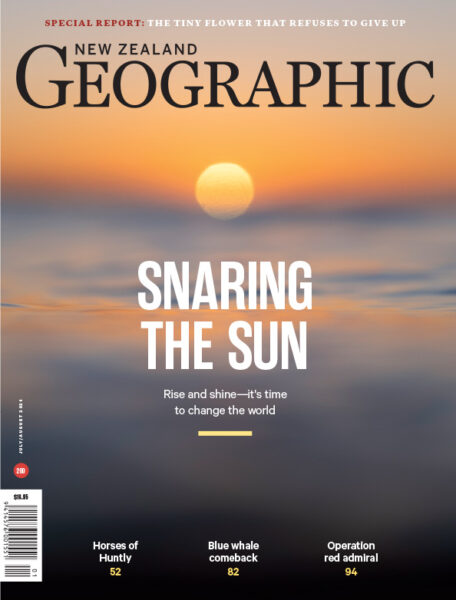

The age of fossil fuels is ending, and the world is entering the era of solar power. What matters now is how fast we make the shift. "New Zealand has a tendency to think big, he says—to look to large infrastructure solutions to problems. This time, maybe we could think small. Small but many. Getting enough homes, farms and businesses on solar would change how we think about our electrical grid, and it would prepare us for a warmer future in which demands on that grid might peak in summer, as we resort to air-conditioning. Households would become part of the country’s energy infrastructure."
Read moreDownload the document herePolitical Power has gone local! Dr Nick Smith, mayor of Nelson and ex-National Party minister, is an early adopter when it comes to electric machines but, through his efforts with the council and his close involvement with the Ratepayer Assistance Scheme, he's also embracing one of Rewiring's core mantras: once you've electrified your own life, electrify someone else's life, too.
Read moreDownloadWhether it's the growing number of electric buses, new electric trains for the lower North Island and City Rail Link, or new electric ferries, we love seeing more electric transport options in our big cities. It's also good to see some of our smaller cities like Palmerston North, Timaru and Nelson going electric and, as is almost always the case, the drivers reckon it's better on electrons. At the Electrify Nelson expo, we spoke with one driver Lee about the city's electric buses. And he definitely wouldn't go back to diesel.
Read moreDownload