Don't listen to Old Man Gas. Ditch LNG. Support New Zealand-made energy!


Rewiring Aotearoa always fights for the people who use the energy. The new Electricity Authority chair John Harbord has been doing the same thing for a while now, albeit at the big end of town, so we’re excited to see what he brings to the table because there’s a lot that needs to change.
Having low cost energy for households or industries is a fundamental building block of a productive economy. We should be a nation that is served by its energy system, not a nation in service to an energy sector.
The EA should be commended for its work on export rates and level playing field measures (it also took our Solar Streets idea and ran with it). But it’s largely tinkered around the edges. The rules of the electricity market were written for a bygone era and they need serious reform that is squarely focused on the long term interests of New Zealanders.
Regulation has not kept pace with technology and there’s a big opportunity to fix that. We’re excited to start working with a customer-focused chair and the rest of the EA to make that happen.
Through his work with the Major Electricity Users Group, Harbord will understand how crucial it is for New Zealand’s economy to help businesses get off diminishing and increasingly expensive gas - and that we keep the price of electricity in check to ensure we become more competitive.
As Sapere’s ‘From Faultlines to Resilience’ report showed, helping businesses get over the electric hump and smoothing out connection issues needs to be seen as a crucial part of our energy strategy.
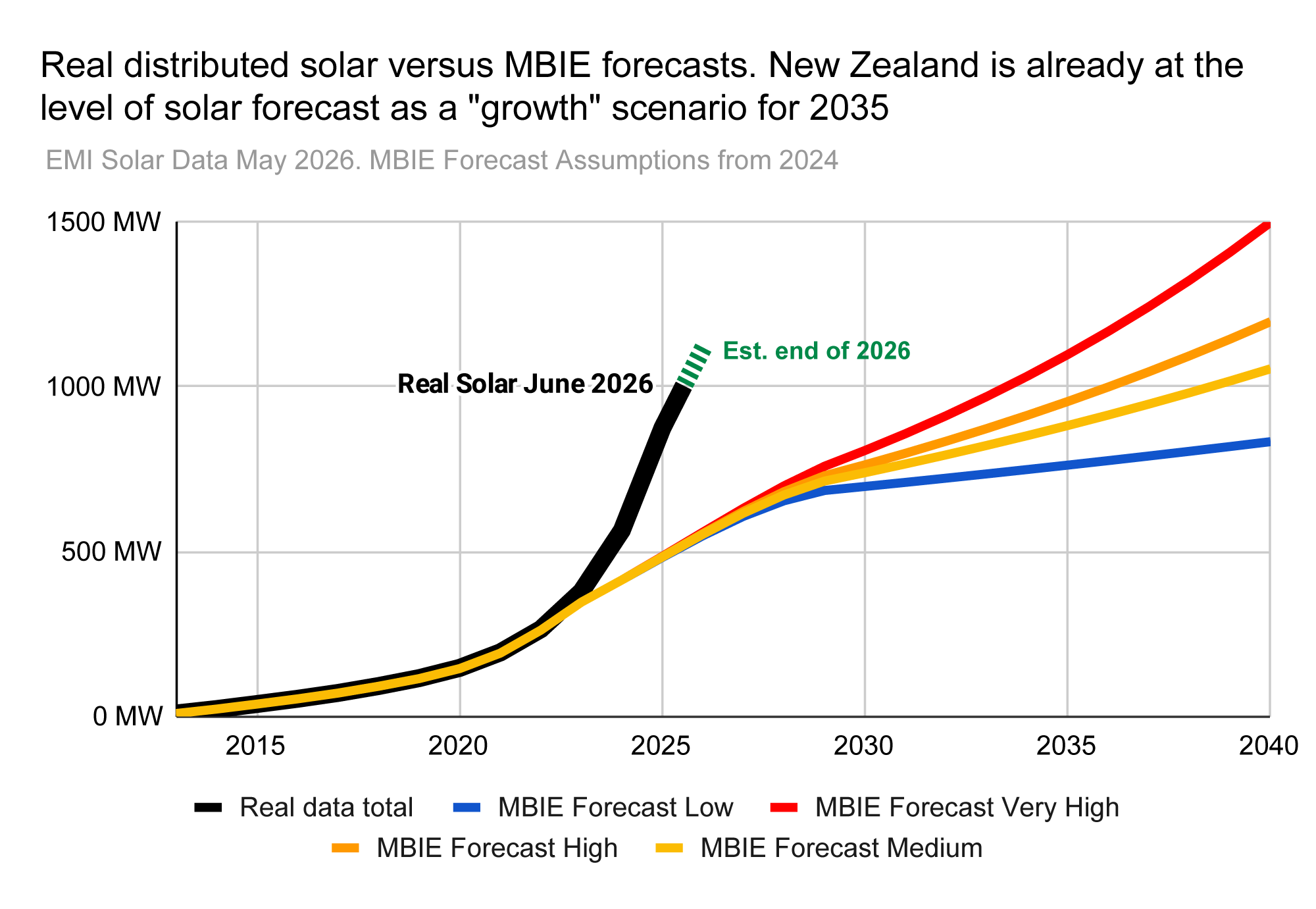
Many officials - both here and overseas - have been almost comically wrong about the uptake of solar, both at a large scale and within homes and businesses. According to the EA, New Zealand just reached 1GW of solar and around half of that is from residential. That's already at MBIE's predicted 'high growth' rate for 2035.
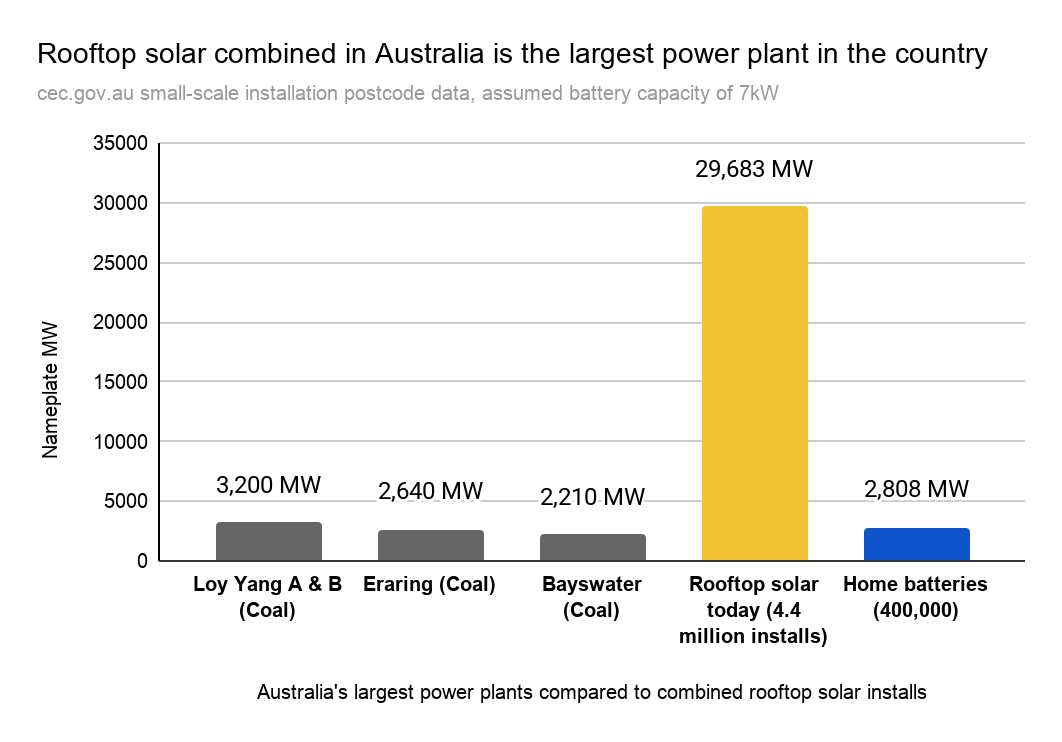
In Australia, rooftop solar is now the country’s biggest power plant by a large margin and home batteries are playing an increasingly important role.
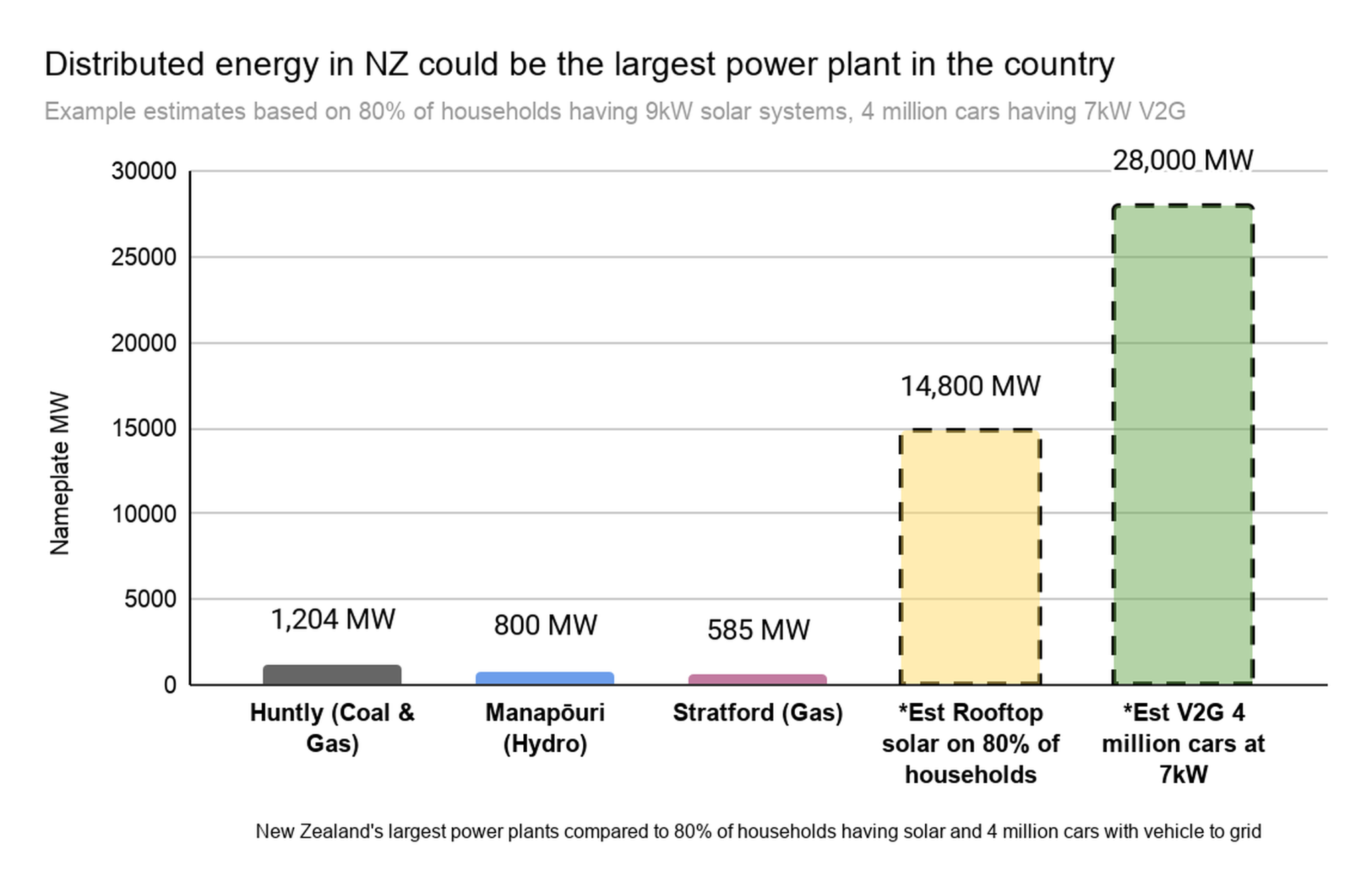
This will eventually be the case in New Zealand, too, and electric vehicles also offer massive potential, as Marc Daalder outlined in an in-depth feature about two-way charging in Newsroom.
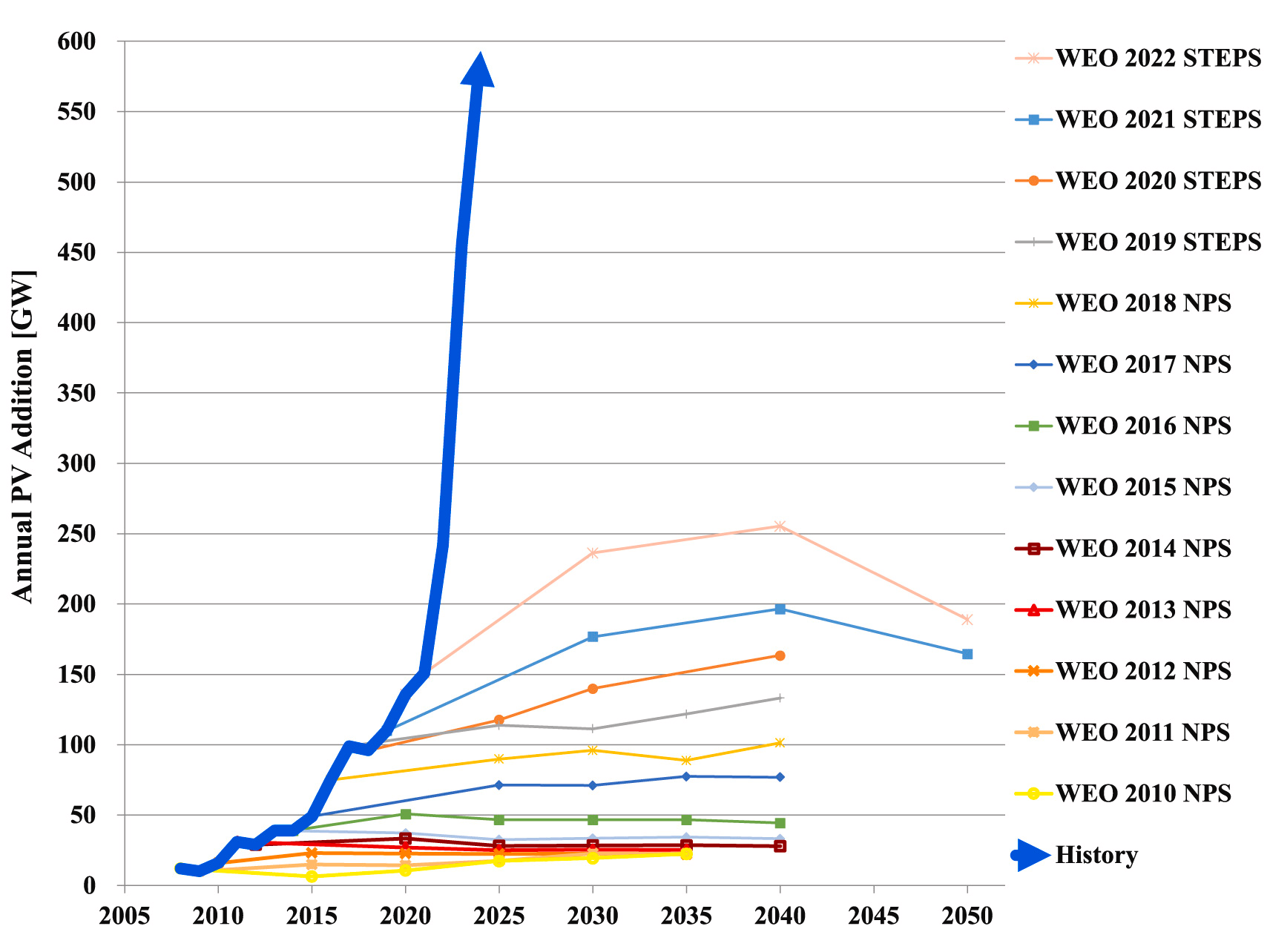
This shift to customer-generated energy is inevitable, so the EA, as well as the Commerce Commission (which signs off on expensive upgrades to poles and wires), Transpower (which manages the grid), MBIE, and our lines companies all need to take a moment to understand the future and prepare for it, rather than fight against it.
While our electricity system has its own nuances, we can learn from the countries that are ahead of us and have dealt with the problems that come from more solar and batteries, more EVs and more industrial electrification.
The technology that our networks need to work with distributed generation and storage is already here. Now we need the ambition to use that technology effectively, increase the efficiency of those networks and add value to the New Zealand economy.
Every game needs a good referee, but every game needs to ensure the rules evolve.
Political Power has gone local! Dr Nick Smith, mayor of Nelson and ex-National Party minister, is an early adopter when it comes to electric machines but, through his efforts with the council and his close involvement with the Ratepayer Assistance Scheme, he's also embracing one of Rewiring's core mantras: once you've electrified your own life, electrify someone else's life, too.
Read moreDownloadWhether it's the growing number of electric buses, new electric trains for the lower North Island and City Rail Link, or new electric ferries, we love seeing more electric transport options in our big cities. It's also good to see some of our smaller cities like Palmerston North, Timaru and Nelson going electric and, as is almost always the case, the drivers reckon it's better on electrons. At the Electrify Nelson expo, we spoke with one driver Lee about the city's electric buses. And he definitely wouldn't go back to diesel.
Read moreDownload