Don't listen to Old Man Gas. Ditch LNG. Support New Zealand-made energy!

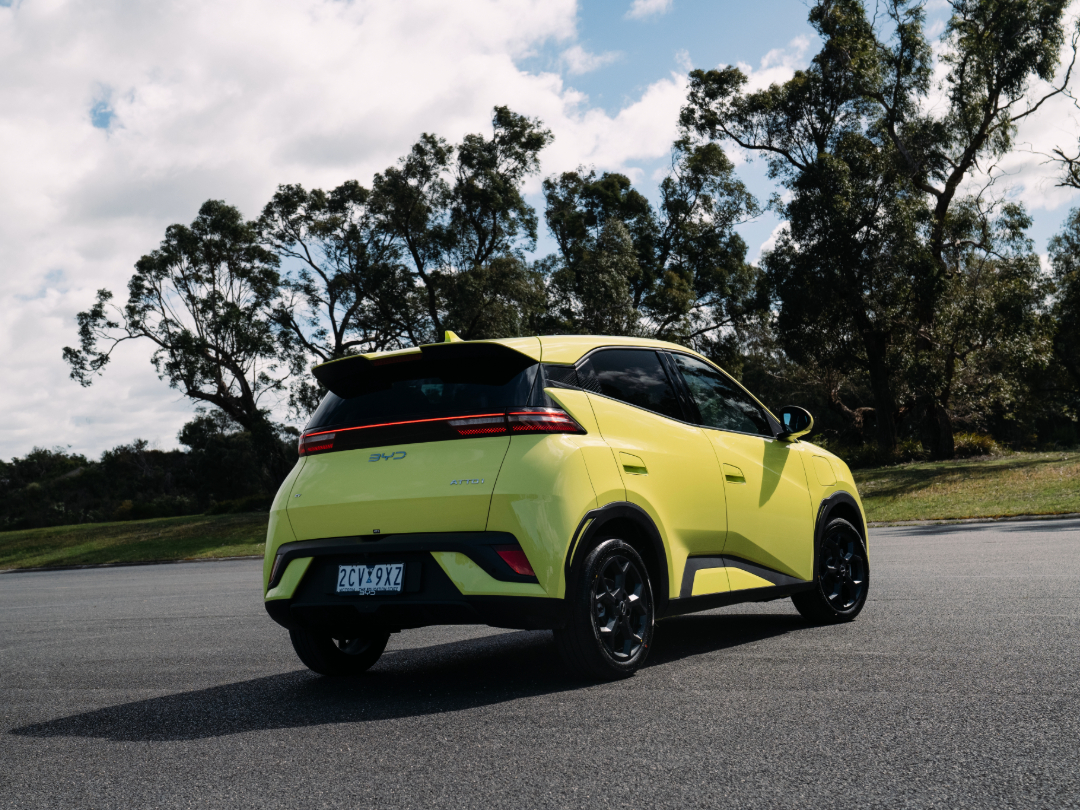

BYD's Atto 1 is "set to become New Zealand’s cheapest electric car, with a starting retail price of $29,990 plus on-road costs ...This pricing sees the Atto 1 go head-to-head with some of the very cheapest cars on the market, in a move that sees the industry inch closer towards price parity between electric vehicles and internal combustion engine cars. The Atto 1 is just $7000 more than the cheapest car on sale in New Zealand currently, the $22,990 Suzuki Ignis (a model that is being phased out next year). It also undercuts the cheapest Toyota currently on sale, the $33,490 Yaris GX."
The sticker price remains a barrier for many when it comes to EVs, so having these come down should help to increase adoption rates and improve the lifetime cost comparisons.
On average, an EV charged with rooftop solar will save you almost $20,000 over the lifetime of the vehicle and charging via the grid will save you around $10,000. Those numbers factor in the higher upfront costs of EVs, but because electric vehicles are so much better at using energy to create motion than petrol or diesel vehicles, it makes them much cheaper to run and there's no competition when it comes to carbon emissions.
In the UK, EVs overtook petrol cars in October, with one in four new cars fully electric and sales of petrol and diesel cars down by a third.
We are seeing a gradual increase in sales in New Zealand after the big dipper of 2023 when the subsidy was removed (according to Stuff, overall, BEV registrations were up 28.5% in August compared to the same time last year), but the growth is pretty anaemic compared to some other markets.
Political Power has gone local! Dr Nick Smith, mayor of Nelson and ex-National Party minister, is an early adopter when it comes to electric machines but, through his efforts with the council and his close involvement with the Ratepayer Assistance Scheme, he's also embracing one of Rewiring's core mantras: once you've electrified your own life, electrify someone else's life, too.
Read moreDownloadWelcome back to LNG FM, where your host Old Man Gas tries his best to justify the 'big, beautiful, multi-billion dollar import terminal'.As our campaign suggests, you really shouldn't listen to this guy! Let's ditch LNG and back New Zealand-made energy.
Read moreDownload