Don't listen to Old Man Gas. Ditch LNG. Support New Zealand-made energy!


"You can call it a forced investment. You can call it a levy. You can call it a tax. It is a guaranteed increase in New Zealand's power bills with no guaranteed return on that investment. And I think that's a bit of a howler." Mike Casey speaks with Newstalk ZB's Kerre Woodham about the proposed LNG terminal and why New Zealand would be better off with a portfolio approach, including more renewables, more solar, better use of existing domestic gas reserves and coal or diesel peakers if required.
The Government’s aiming to sign a procurement contract for a Taranaki LNG site by mid-year, and hoping to have it running by late next year or early 2028.
An electricity levy of two to four dollars per megawatt-hour will fund the build, which is expected to save each household around $50 a year when up and running.
Rewiring Aotearoa CEO Mike Casey told Kerre Woodham that while he likes to think of himself as a renewable energy advocate, he’s also a pragmatic person.
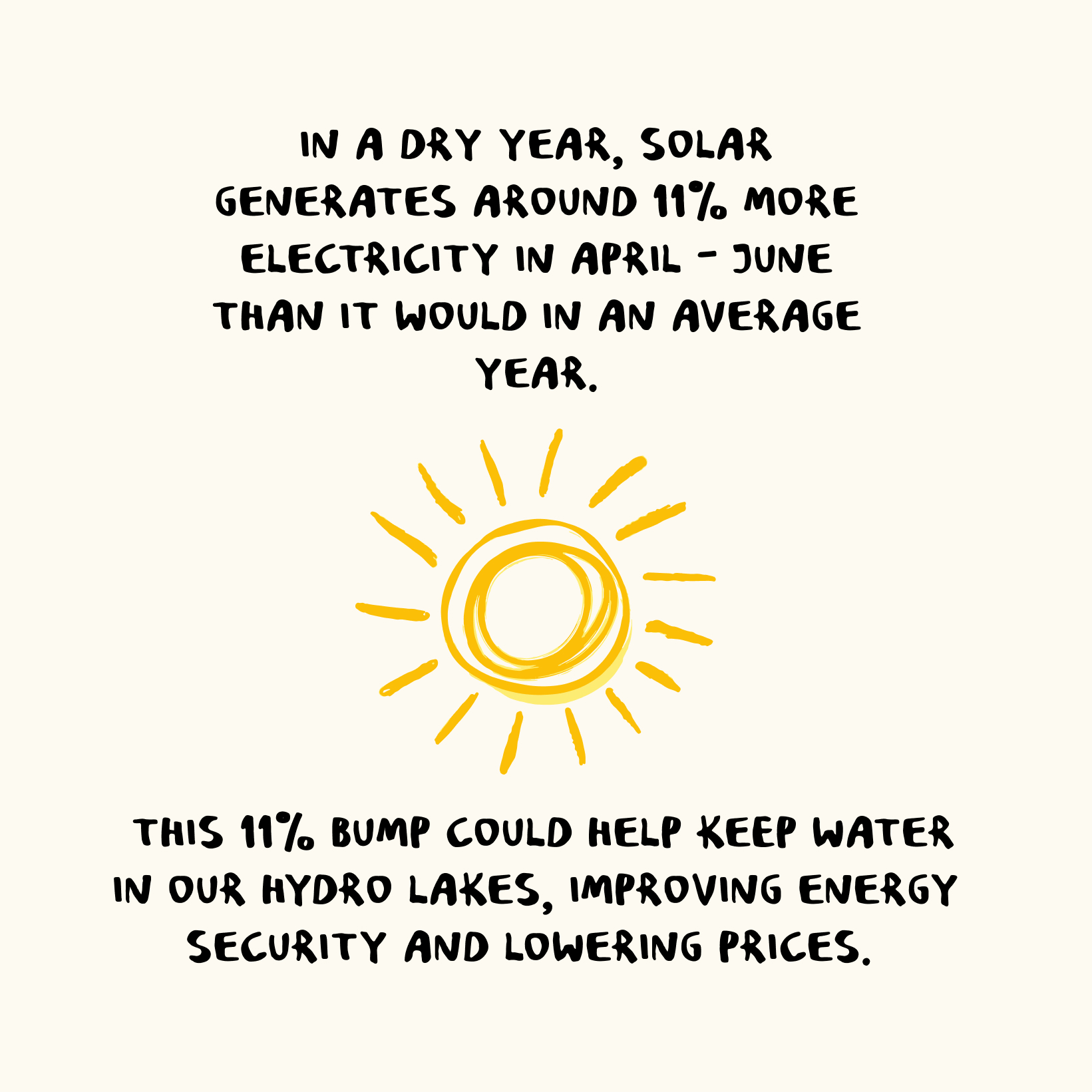
He says that the dry year problem has to be solved, but we should use the fuel we already have and import, instead of importing a new, incredibly expensive fuel, at a capital cost that would lock us into using it for a very long time.
Political Power has gone local! Dr Nick Smith, mayor of Nelson and ex-National Party minister, is an early adopter when it comes to electric machines but, through his efforts with the council and his close involvement with the Ratepayer Assistance Scheme, he's also embracing one of Rewiring's core mantras: once you've electrified your own life, electrify someone else's life, too.
Read moreDownloadWhether it's the growing number of electric buses, new electric trains for the lower North Island and City Rail Link, or new electric ferries, we love seeing more electric transport options in our big cities. It's also good to see some of our smaller cities like Palmerston North, Timaru and Nelson going electric and, as is almost always the case, the drivers reckon it's better on electrons. At the Electrify Nelson expo, we spoke with one driver Lee about the city's electric buses. And he definitely wouldn't go back to diesel.
Read moreDownload