Don't listen to Old Man Gas. Ditch LNG. Support New Zealand-made energy!


"When you look at how much people are paying now, and the fact grid electricity keeps going up, it’s very hard to argue a solar installation isn’t economic.”
Rewiring Aotearoa's CEO Mike Casey talks to The Press' Blayne Slabbert about the benefits, costs and considerations of getting solar and it's a thorough rundown for anyone thinking about investing.
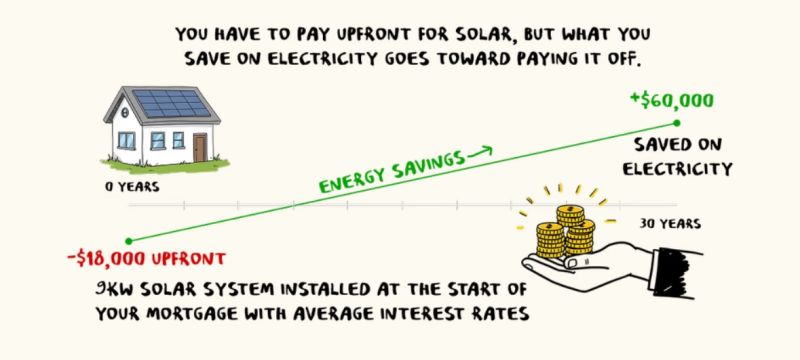
As he says, a typical household should expect to pay about $2000 per kilowatt for a fully installed solar system, including GST.
“The average system size in New Zealand has been around six or seven kilowatts,” he said.
Zac Le Heux, co-founder of Garden City Solar, says his "rough payback guide is six to eight years for solar only, assuming the family can use a good chunk of the solar power in the middle of the day.
“If you add a battery you’re more in that 10 to 12 year range,” he said.
Political Power has gone local! Dr Nick Smith, mayor of Nelson and ex-National Party minister, is an early adopter when it comes to electric machines but, through his efforts with the council and his close involvement with the Ratepayer Assistance Scheme, he's also embracing one of Rewiring's core mantras: once you've electrified your own life, electrify someone else's life, too.
Read moreDownloadWhether it's the growing number of electric buses, new electric trains for the lower North Island and City Rail Link, or new electric ferries, we love seeing more electric transport options in our big cities. It's also good to see some of our smaller cities like Palmerston North, Timaru and Nelson going electric and, as is almost always the case, the drivers reckon it's better on electrons. At the Electrify Nelson expo, we spoke with one driver Lee about the city's electric buses. And he definitely wouldn't go back to diesel.
Read moreDownload