Don't listen to Old Man Gas. Ditch LNG. Support New Zealand-made energy!


Regulation often struggles to keep up with technology. That’s certainly the case when it comes to electric trucks and proposed changes by deputy prime minister David Seymour and transport minister Chris Bishop go some way to addressing that.
New Zealand’s vehicle regulations were written for a world of diesel and we called for changes to weight-based licensing thresholds in our policy manifesto. As New Zealand continues to grapple with the fuel crisis, the Government is looking at speeding up regulatory changes that “would allow more weight per truck and fewer trips, saving fuel”.
Its efforts to 'align licence thresholds for zero-emission vehicles' will also remove an unfair constraint for electric trucks and Rewiring Aotearoa CEO Mike Casey says “getting more of those on the roads will save a hell of lot more fuel than giving diesel trucks more leeway”.
Trade-offs will be required, of course. As the release said: “Some such trade-offs can become justified, at least temporarily, when the immediate priority is conserving fuel. For example, in the short term, some additional road wear may be acceptable to save fuel. Other trade-offs, like those that compromise safety, are not acceptable.”
Casey says there needs to be a plan to address more wear and tear as there are already so many issues with roads and bridges from climate and usage. There should also be as much freight going by train and boat as possible.
“That should be a focus for the long-term, but we are still heavily reliant on trucks for freight right now. This immediate response is a practical fix given the context - and a stepping stone to wider large electric truck adoption.”
Ross Linton from Etrucks, who Casey worked with to ship a load of cherries to Wellington in an electric Deepway truck earlier in the year, says the extra weight allowance on drive axles for heavier electric trucks will help a lot.
But he would also like to see more length for aerodynamic trucks. Both the Deepway and longer range Windrose are around one metre longer than a traditional cab over truck, which makes them more aerodynamic. He has customers wanting to tow 2 x 40 foot containers, which is possible with a short diesel semi-tractor, but is over the hard limit of 30m in New Zealand with the Deepway and Windrose designs.
“In the Netherlands you are allowed 34m, in Australia, even more,” says Linton.
Their roads are different to ours, but Casey says there should be some flexibility when these electric trucks offer so many other benefits, like noise reduction, zero tailpipe emissions and better safety features.
At the smaller end of town, the Government’s release says: “Some electric utes are heavier than diesel ones, pushing them into a different weight threshold [typically when carrying a load]. This means people need a higher-class licence to drive them, which prevents uptake.”
Speaking about the plug-in hybrid Shark 6 ute, which is slightly heavier than its ICE equivalents, BYD’s general manager Warren Wilmot has said the current restrictions are “political, bureaucratical, just red tape”.
“The rules were written in the 1950s when cars were a lot lighter,” he said.
These regulations were already being looked at and while Casey says we don’t want oversized US-style utes here, it is worth looking at adjusting the rules if it would help bring in more fully electric, longer range versions of our most popular utes to displace some of the diesel use.
In Rewiring’s manifesto, we asked the Government to “follow through and expedite adjustments of EV weight thresholds for Class 1 and Class 2 licences” and ranked it a 4/10 in terms of impact on the country’s electrification ambitions.
While focusing on weight is logical when considering momentum in a collision, it overlooks the additional safety benefits of driving an EV.
“That’s why the Government should also look at shifting licensing criteria from weight alone towards other measures, such as handling, maneuverability, and safety features.”
Casey argues that “this would better reflect real road safety. Further, exemptions for smaller, more maneuverable, heavy EVs would create a fairer and more flexible approach”.
“While we’re at it, we are also keen to see changes to regulations for retrofits. We can't compete with China when it comes to making new electric cars but we could have more New Zealand-made EV conversions and create a thriving industry here as they have in the US and UK. I have electrified a 1990 Toyota Hilux and I can assure you the process needs to be changed.”
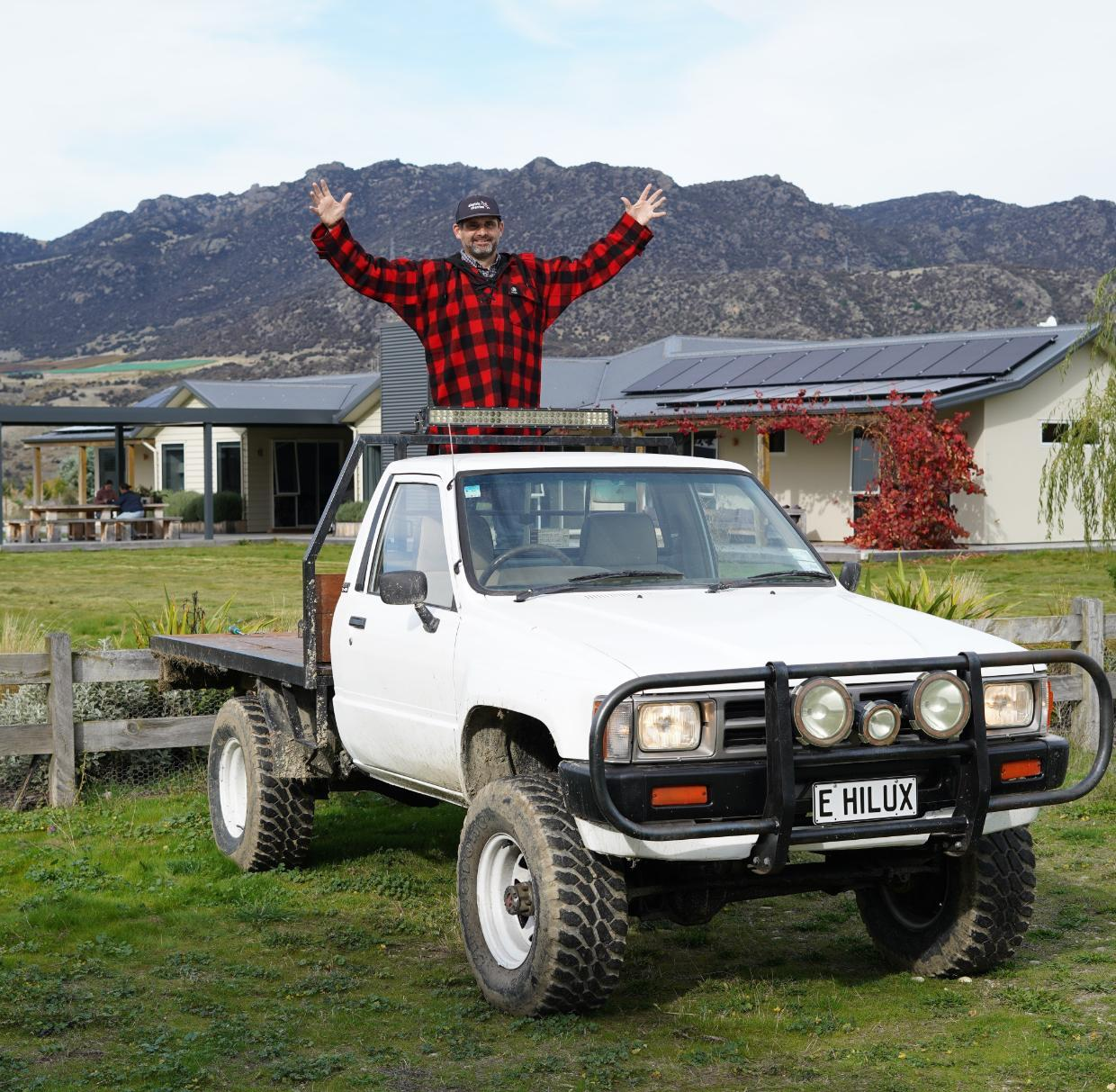
For example, you’re not allowed to go over the original weight of the car with a conversion.
“That’s a very silly rule that makes EV conversions harder than they need to be because the batteries typically add weight. In the US, they don’t have that rule at all. Engineers should be able to approve vehicles where the chassis, brakes and suspension are safe for the extra weight. In New Zealand, this slows down conversions for businesses, farms, and homes alike.”
Simon Margrett from EV conversion company Watt Rods in Lower Hutt says the current system is totally unfit for a commercial operation.
“The regulations and processes have been developed by and for individuals tinkering in their sheds; where it’s not much of a problem if the process is long and disjointed. I have been involved with five EV conversions that have gained certification. In every case the engineering and build took in total maybe three months, but the end-to-end process of gaining certification took well over a year.”
He says the business can’t have vehicles sitting dormant around the workshop for the better part of 18 months and it’s also completely unacceptable for customers.
“When we tell them the conversion will take three months but it may take 18 months to certify, most are naturally put off the idea.”
He would like the self-regulated Low Volume Vehicle Technical Association (LVVTA) to rework its processes.
“There should be service level expectations for every workstream with consequences if not met” and he suggests replicating the UK’s much simpler ‘radically altered vehicle’ process’, which would simplify all LVVTA modification processes, not just EV conversions.
Casey says we should be re-using what we have in New Zealand and “if we can convert old gas guzzlers to run on New Zealand made electricity, that’s a big win for emissions, a big win for the longevity of the car, and an even bigger win for driving costs”.
As Minister Bishop says in the press release: “Fuel prices are already putting pressure on households and businesses, which is why this work matters. Getting ahead of the problem now helps reduce the impact if global conditions worsen.”
We couldn't agree more - and we hope this marks the beginning of a broader effort to cut the red tape that’s preventing businesses from accessing cleaner, cheaper heavy vehicle options.
“When existing rules punish better technologies unfairly because they haven’t kept up or are poorly designed, they should be changed,” Casey says.
Political Power has gone local! Dr Nick Smith, mayor of Nelson and ex-National Party minister, is an early adopter when it comes to electric machines but, through his efforts with the council and his close involvement with the Ratepayer Assistance Scheme, he's also embracing one of Rewiring's core mantras: once you've electrified your own life, electrify someone else's life, too.
Read moreDownloadWhether it's the growing number of electric buses, new electric trains for the lower North Island and City Rail Link, or new electric ferries, we love seeing more electric transport options in our big cities. It's also good to see some of our smaller cities like Palmerston North, Timaru and Nelson going electric and, as is almost always the case, the drivers reckon it's better on electrons. At the Electrify Nelson expo, we spoke with one driver Lee about the city's electric buses. And he definitely wouldn't go back to diesel.
Read moreDownload