Don't listen to Old Man Gas. Ditch LNG. Support New Zealand-made energy!

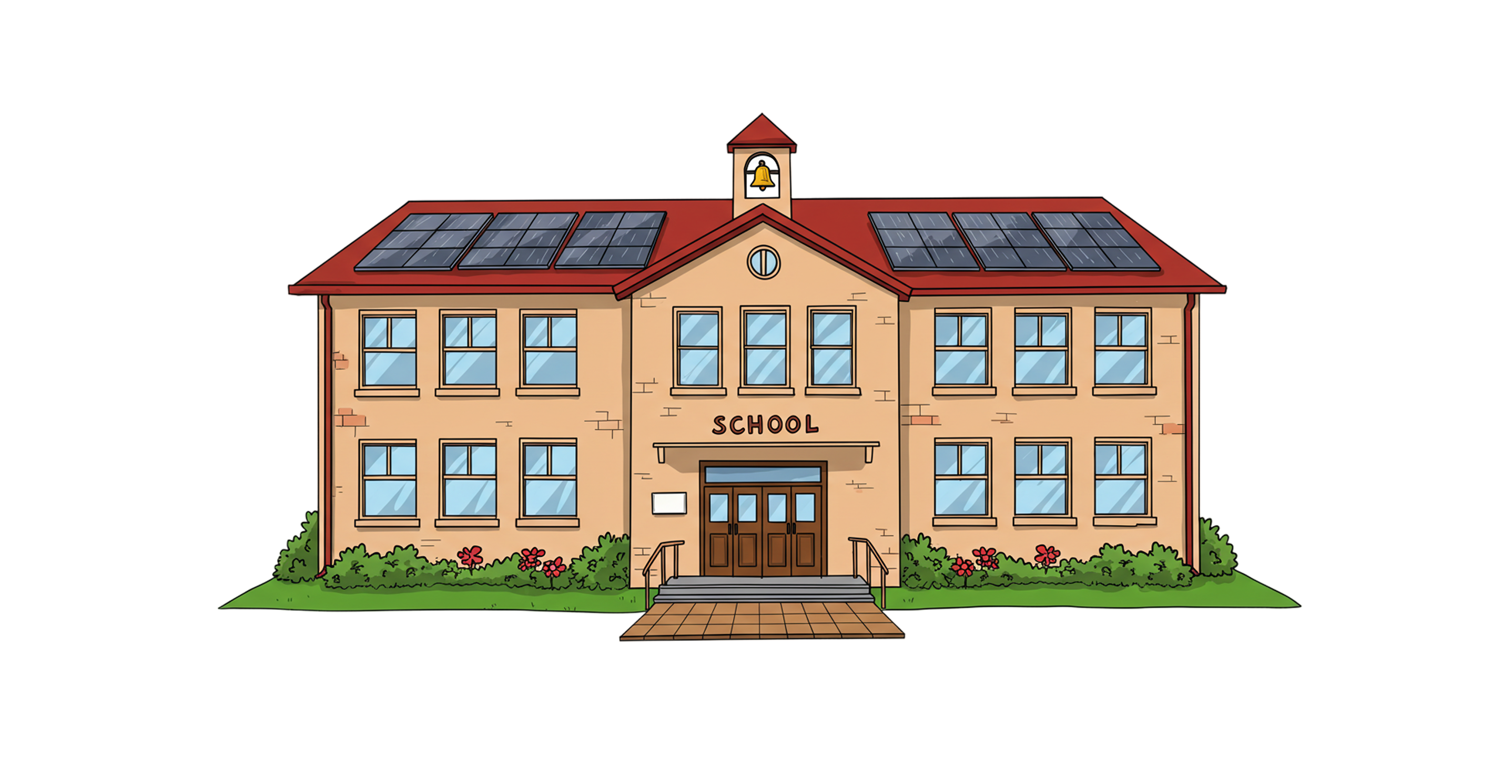

More solar on schools is definitely something worth celebrating and energy minister Simeon Brown and education minister Erica Stanford ventured to Te Papapa School in Auckland to announce the 500 schools set to receive systems as part of the $30 million scheme. That's a good thing, but we hope it is just the start - not just for the number of schools, but also for the size of the systems being installed.
There are around 2,500 schools around the country and, as the Government said in a release, “340 schools in the North Island, 157 in the South Island and three in the Chathams will benefit from this practical, forward-looking initiative that turns sunshine into savings and gives power back to schools".
"The 500 schools have been selected because they are experiencing energy or fuel insecurity, facing higher energy costs, are scheduled for gas or diesel boiler replacements, or have a need for greater energy resilience."
Disappointingly, many of the installs are just 10kW, which is only slightly bigger than the average household install in Australia.
EECA modelling using a 30kW system (which we believe is also quite small given the amount of roof space many schools have available) show schools could save around $8,000 per year on their bills. Some larger schools are receiving installs over 100kW and there is already a high level of interest from the industry in participating in the programme.
Importantly, Stanford said in a release that this scheme would free up money that can be spent on teaching and learning, something we have advocated for strongly. We have asked the Ministry of Education to clarify that the savings from operational budgets would be put back into other areas in the schools to help kids.
Up to 150 of the schools will also receive energy management systems, and selected schools will receive batteries "where they are expected to deliver the greatest savings and community resilience benefits."
With the bulk of a school's energy use happening during the day, more solar is a no-brainer, more school batteries are a growing opportunity, and more energy literacy is needed for the 16% of the population at a school every day - and, as we've seen at schools that already have solar, a tangible demonstration is a great way to get kids engaged early.
Political Power has gone local! Dr Nick Smith, mayor of Nelson and ex-National Party minister, is an early adopter when it comes to electric machines but, through his efforts with the council and his close involvement with the Ratepayer Assistance Scheme, he's also embracing one of Rewiring's core mantras: once you've electrified your own life, electrify someone else's life, too.
Read moreDownloadWhether it's the growing number of electric buses, new electric trains for the lower North Island and City Rail Link, or new electric ferries, we love seeing more electric transport options in our big cities. It's also good to see some of our smaller cities like Palmerston North, Timaru and Nelson going electric and, as is almost always the case, the drivers reckon it's better on electrons. At the Electrify Nelson expo, we spoke with one driver Lee about the city's electric buses. And he definitely wouldn't go back to diesel.
Read moreDownload