Operation Laser Kiwi: help us take New Zealand-made energy on the road


New Zealand has lots of renewable electricity, but still uses lots of expensive imported energy; commercial kitchens in the UK are are turning down the heat (and the toxins, and the costs, and hassle of cleaning gas hobs) by going electric; new research shows plenty of young'uns think petrol cars are akin to a landline; a solar-powered ambulance designed by Dutch students brings some 'medisun' to remote areas; 'Pic's Peanut Butter partners up with FTN Motion for a special electric motorbike; and a great website that helps us appreciate the abundance that's all around us (and the things that could be entirely normal soon).

Clean electricity, expensive energy
MBIE’s quarterly energy review is out and there’s good news and bad news.
The good news is that renewables made up over 90% of the electricity generation and using less coal and gas is something to be proud of.
The bad news is that around two thirds of our total energy still comes from fossil fuels, most of which are imported.
Petrol is now over $3 per litre and was named by Stats NZ as the primary cause of our high inflation. Diesel was up by 70% this year and when you’re so reliant on the stuff, that has a major impact on the economy.
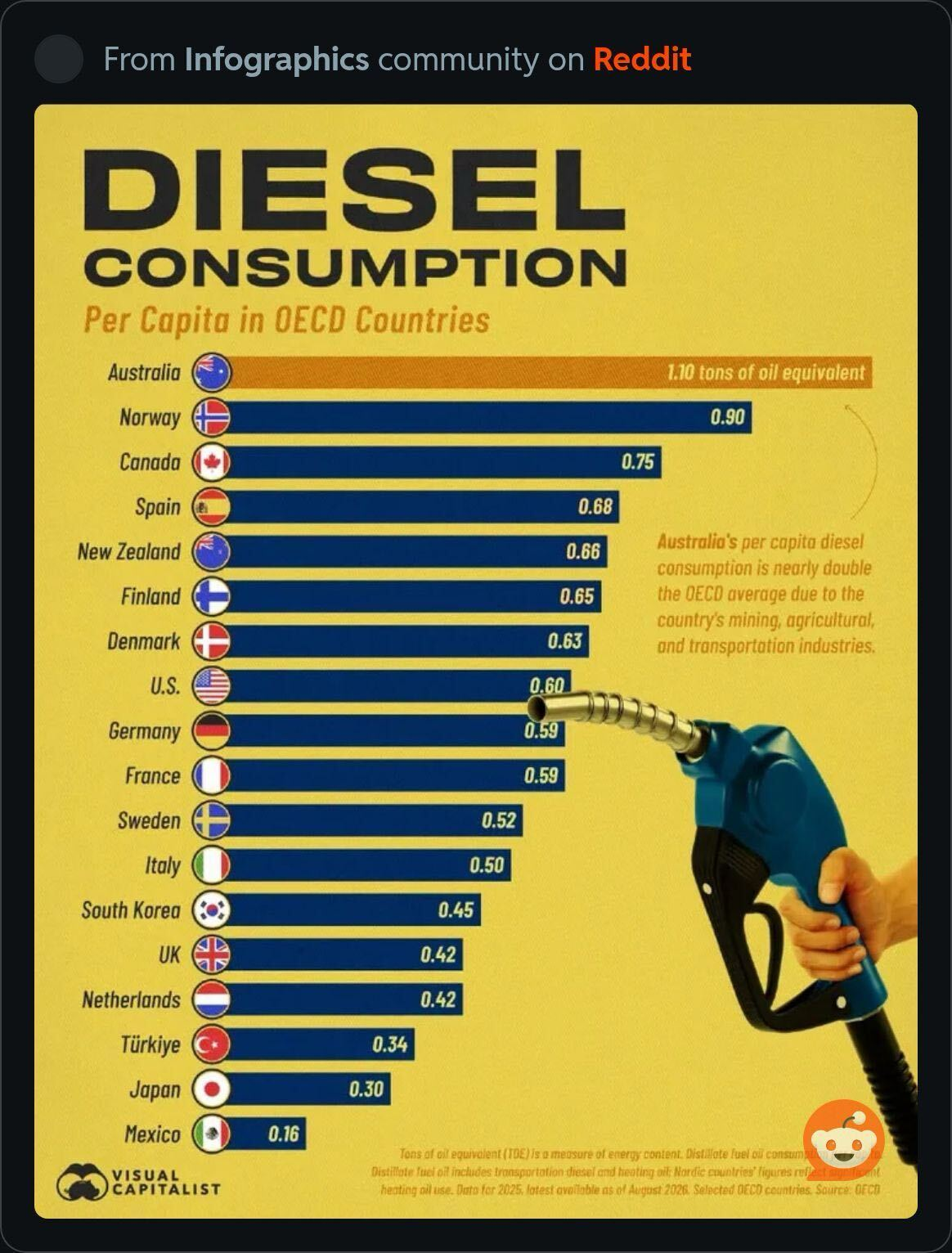
As Visual Capitalist showed, we are right up there in terms of per capita diesel consumption, in large part because of our agricultural economy and reliance on heavy freight.
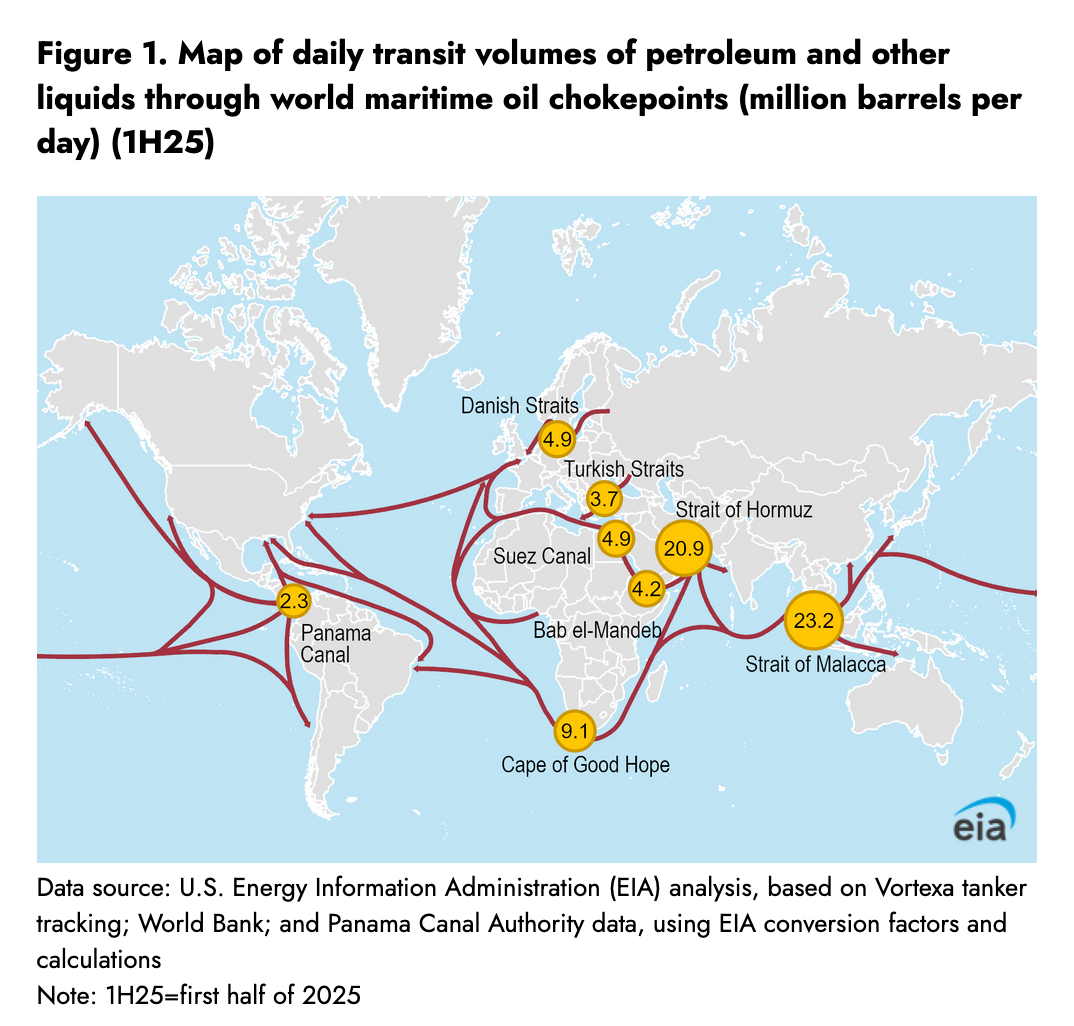
As we’ve seen this year, oil has to go through some tricky places and when those chokepoints get strangled, the price rises (the Panama Canal is now also at risk of closing due to drought).
Fortunately, the Cook Strait cable remains open, so if you want to escape the volatility, local electrons are the way to go - and local electrons from your own roof are even better.
Hob nobbing
We’re all for induction at Rewiring and, in the UK, the Guardian recently wrote about some of the benefits for commercial kitchens.
”Swapping gas hobs for electric induction cooking can reduce temperatures by as much as 10C, as induction cookers only heat the food in the pans. ... Lowering the temperature of the kitchen also means fridges have to work less hard, and there is less need for air conditioning and ventilation.”
A lack of toxins being pumped out and sucked up obviously improves conditions for workers as well, but time-saving is also a big drawcard.
“Luke Burgess, owner of Scholé in Australia, quoted in the GCC report, found that cleaning time was reduced from 24 minutes for a gas cooktop to 21 seconds for an induction cooktop, which he calculated saved over AU$30,000 (£15,700) over a year in wages alone.”
New Zealander Chantelle Nicholson was interviewed for the piece and she went electric when opening her Apricity restaurant in London in 2022.
“I used to have burn marks all up my arms from scrubbing gas hobs. And when anything goes wrong with the gas, it’s a total nightmare to get it fixed. Induction is controllable and really reliable.”
Diners also “compliment us on how calm the kitchen is.”
Like EVs, once you’ve gone electric, you’re not likely to go back and another piece from the Guardian details the story of a kitchen snob who used to love gas but fell for induction.
“Past encounters with the slow and inconsistent heating elements of early electric stoves had soured us to the idea of cooking with electricity, but it only took a couple of days for us to realise that our new induction cooktop wasn’t just tolerable, it was far superior.
Suddenly, cooking was easier than ever before. Water boiled at lightning speed; I could set a timer and walk away knowing the heat would automatically turn off; and cleaning became a cinch. Gone were the days of degreasing cast-iron burner rings and soaking grates in the sink – a quick wipe across the glass and the kitchen was sparkling.
Switching to electric is often portrayed as a tragic culinary loss, an abandonment of classic cooking principles. But, for the daily tasks – caramelising onions, sautéing greens, or crisping a skin-on salmon fillet to perfection – I was surprised to find there was really no difference at all.”
If that’s not enough of an incentive, indoor combustion from gas appliances are linked to 200+ premature deaths every year in New Zealand and 3,200+ child asthma cases every year. The estimated cost from lost productivity and public health costs is $3.8 billion annually, or $9,000 per gas stove.
The kids are alright
As Ernest Hemingway wrote, bankruptcy happens in two ways: gradually, then suddenly. The same is true of many technological trends and what the new generations think can often influence the speed of the transition.
EV sales are on the rise pretty much everywhere new research from energy company E.On shows that the yoof think petrol cars are totally cringe.
“More than half (55%) of young drivers want their first car to be electric, as almost a quarter (23%) say owning a petrol car is as outdated as using a landline.”
Shhh, don’t tell Old Man Gas.

EV guy Robert Llewellyn said:
“The really striking thing is that this generation isn't growing up with the assumption that their first car will be petrol. They're looking at what's available today and making a practical choice. There are more electric vehicles to choose from than ever before, more affordable ways to get behind the wheel, and the opportunity to keep running costs down by charging at home. For many young drivers, going electric isn't a statement about the future; it's simply the option that makes the most sense today.”
And for those young'uns keen to pimp their charger, how about this for an idea:

Good medisun
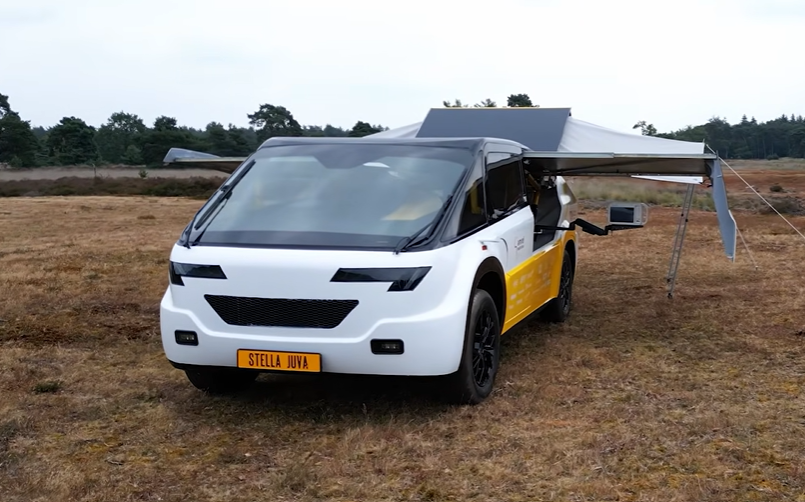
Cars that can power themselves have been talked about for years, but things are starting to happen in this space and a solar-powered ambulance developed by students from the University of Eindhoven has completed a successful trial in Kenya.
Stella Juva can power itself as well as ultrasound, X-ray and vaccine-fridge equipment, which means it's able to "bring healthcare to remote parts of Kenya lacking reliable electricity.”
It's not the first time solar power has been used to good effect in Africa: here’s some inspiration from Dutch couple Renske Cox and Maarten van Pel, who drove 33,000km in an electric Škoda Enyaq 4x4
Nuts if you don’t
Pic’s Peanut Butter is a business after our own heart, with solar panels helping to roast its nuts and a slightly mad and extremely enthusiastic frontman. Have a look at how the factory runs here, and check out this glorious new electric Streetdog it had made by New Zealand company FTN Motion.
Everything, everywhere, all at once
We’re fans of energy abundance here at Rewiring. But it pays to take note of the abundance we already have, and this site demonstrates it beautifully.

Some of the innovations that are relevant to our focus on electrification include:
The first transport of ice from the shores of the United States to the banks of the Ganges is an event of no mean importance ... the names of those who planned and have successfully carried through their adventure at their own cost, deserve to be handed down to posterity with the name of other benefactors of mankind.
The Calcutta Courier, 1837 — On the arrival of New England pond-ice in tropical India. Without cold storage, perishable food like dairy and meat spoiled within a day, and most foods could not be kept or eaten out of season.
The people, almost with bated breath, stood overwhelmed with awe, as if in the presence of the supernatural. The strange, weird light, exceeded in power only by the sun, yet mild as moonlight, rendered the Court House square as light as midday.
A witness at Wabash, Indiana, 1880 — The night Wabash, Indiana became one of the first cities lit entirely by electric light. Candles, oil lamps, and gas jets gave relatively feeble light, and were all smoky open fires inside the home.
It is so cold that the freezing of the ink on the point of my pen renders it difficult to write. We have had the thermometer at 12°.
Thomas Jefferson, 1796 — In a letter to his son-in-law, the ink freezing as he wrote. Bedrooms in winter often fell close to the temperature outside, and it was not unusual to wake up to a frozen washbasin.
So what will we walk past without thinking about in the future? Our bets are that every home will be able to generate its own energy, batteries will store a lot of that energy and more vehicles will run off that energy.
People installing solar power systems with batteries on their homes, hoping to avoid the disruption of a power cut, are being told to check with the installer that the battery can provide that protection.
Read moreDownloadKiwis are catching on to the benefits of solar panels - and demand's spiking ... But the industry warns we need about six thousand more trained electricians - across the country - to do the work. Rewiring Aotearoa Chief Executive, Mike Casey told Heather du Plessis-Allan he hopes interest will continue over time. He says oil shortages because of the Iran war is keeping demand high - with energy prices climbing. He says solar is the one reprieve Kiwis get.
Roger Robson-Williams owns 20% of New Zealand's electric tractor fleet. That sounds impressive, until you learn there are only five of them. But, like his fellow electric tractor enthusiast Mike Casey, he's on a mission to change that by providing a bit of inspiration and information.
Read moreDownload