Don't listen to Old Man Gas. Ditch LNG. Support New Zealand-made energy!


Phoenix Recycling looks to extend its battery life with a new agreement; Toyota gets set to bring in the 'Electrolux', but is it a 'masterclass in doing EV utes wrong?'; a new electric hearse hits the streets, while electric cremation is an option in Canterbury for those who want to continue the trend at the end; how China is saving lives by electrifying; the digital museum of plugs and sockets; and the Fossilvision song contest sets the world on fire.

Battery life
We often get asked about what happens to the batteries in EVs. Often, they’re being reused as static storage (like this project in the US) but they’re also being recycled because the materials are valuable.
Phoenix Recycling Group has already gone down the solar panel recycling path and now it’s focusing on batteries and is looking into the development of an onshore lithium-ion battery processing facility in New Zealand.
The initiative comes in the wake of a directive from the Japanese Government to establish circular return pathways for battery materials. Establishing a domestic resource circulation model that recovers battery resources used both domestically and overseas is viewed as essential to supporting the stable procurement of critical minerals within Japan. The study will focus on the future potential for lithium-ion batteries collected within New Zealand to be safely processed into “black mass”, an intermediate material containing valuable critical minerals such as lithium, nickel and cobalt, before being refined and reused in the manufacture of new battery materials.
The collaboration will assess:
• The size and future growth of New Zealand’s lithium-ion battery market to better understand upcoming end-of-life battery volumes from technologies such as electric vehicles and energy storage systems
• Infrastructure and operational requirements for an onshore lithium-ion battery processing facility
• Opportunities to support a future circular economy for lithium-ion battery materials within New Zealand
This is great, and Australia is also investing in recycling schemes. But it does pay to remember that a lifetime of fuel use where the waste disappears into the sky is much more wasteful than a battery. It’s like a backpack vs a single use plastic bag. There are always things that can be done to improve the whole process, but electrification is a much better option than burning stuff.
See more in our explainer closing the loop.



Welcoming the Electrolux
We’ll celebrate the arrival of any electric equivalent and Toyota is set to start taking orders for its first fully electric Hilux this month.
We - and others - have been fairly critical of Toyota given its lack of electric ambition, its futile fixation on hydrogen and its active opposition to EV incentives in some places. We’re also not sure if the e-Hilux, which is set to be expensive and has a small battery, is a masterclass in doing electric utes wrong and a token effort from a company trying to protect its existing ICE incumbency, or whether it’s just been designed for a specific segment.
As Toyota said on LinkedIn: “Battery electric makes strong sense in defined, predictable operations; fleets that return to base each night, operate within set distances, and have access to low cost charging. In those scenarios, the benefits are immediate and tangible … But it also reinforces a reality we need to stay honest about: no single powertrain will meet every need.”
These utes were tested in the mines in Australia where range is not a major concern. Its first EV, the BZ4X, also fell foul of the range lovers but has gradually been improved.
Toyota’s Andrew Davis says: “From patrolling airport runways, moving equipment around a vineyard or orchard, to regional highway inspections, the Hilux BEV would fit seamlessly into many working environments. But don’t underestimate its capability – it certainly holds its own on rugged terrain too.”
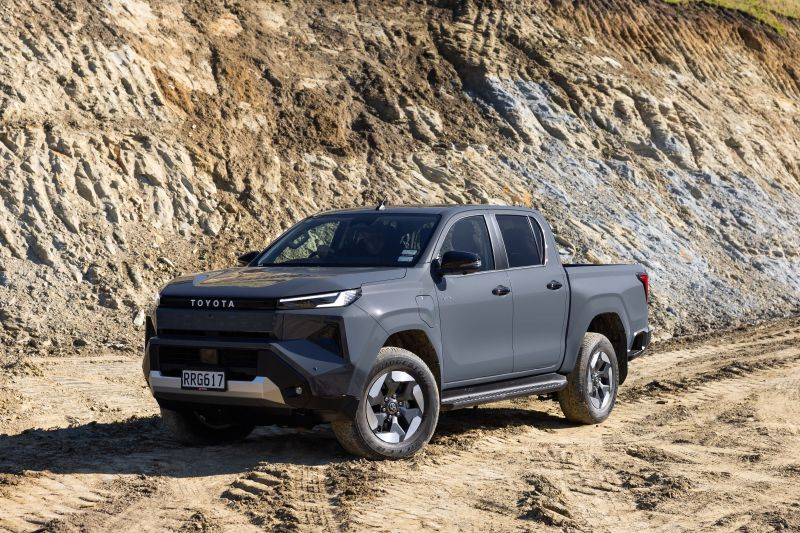
The zero-emissions EV ute would work well for infrastructure and construction companies, farmers, horticulturists, trades, eco-tourism operators and local government contractors operating within defined areas and where charging would take place back at the base or farmyard. The lack of emissions and very little noise is another advantage for working with livestock or in orchards.”
In time, we don’t think the need for multiple powertrains will be true. If a big ferry or a cargo ship or a massive loader in the mines can run on batteries, then a ute can too.
We’ve seen some solid demand for the fully electric Riddara and, as Rodney Sherman showed on our This Car Can campaign page, there’s plenty of towing capability there if that’s what you need.

When you look at the cost to run an electric vs diesel ute, electrons are an increasingly smart choice that don’t require much in the way of sacrifices.

Death and taxes
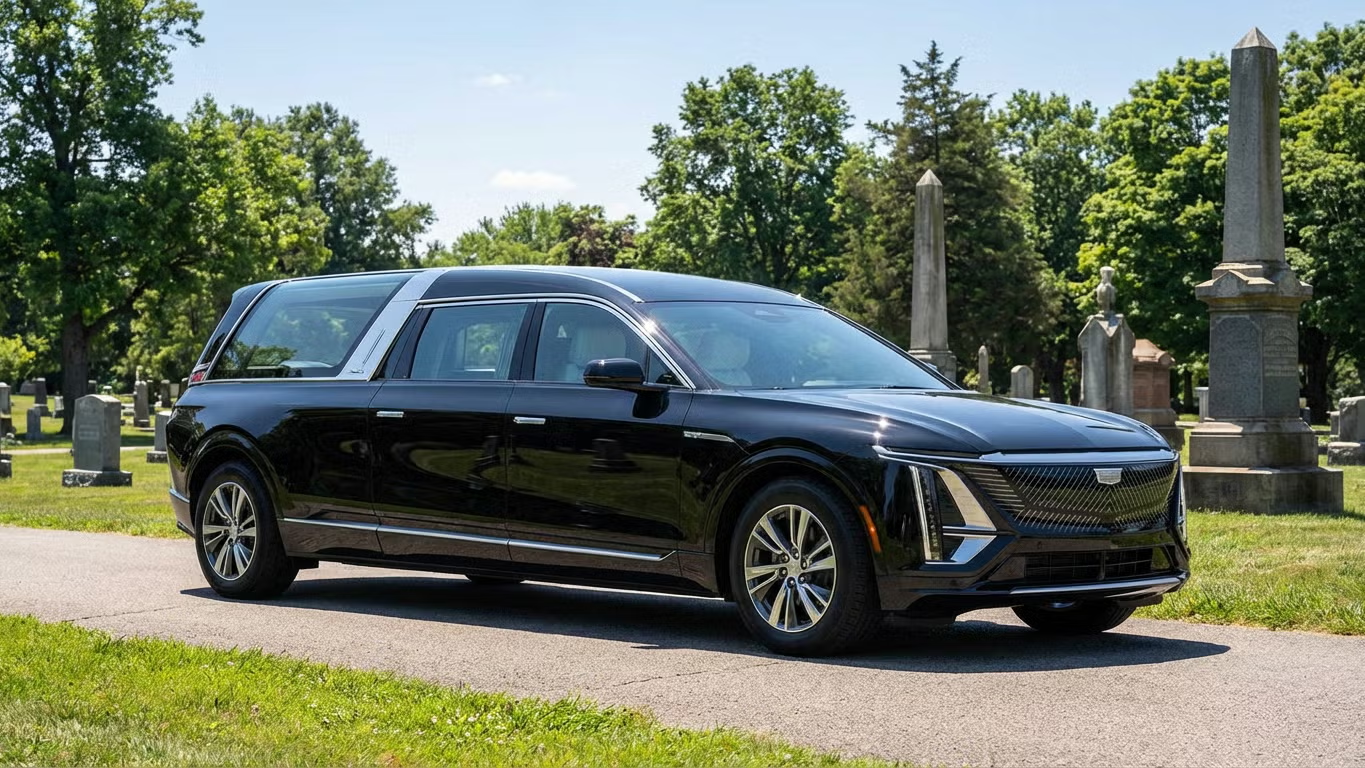
If you want something electric that can carry very specific cargo, then the new Cadillac Lyriq option might be for you.
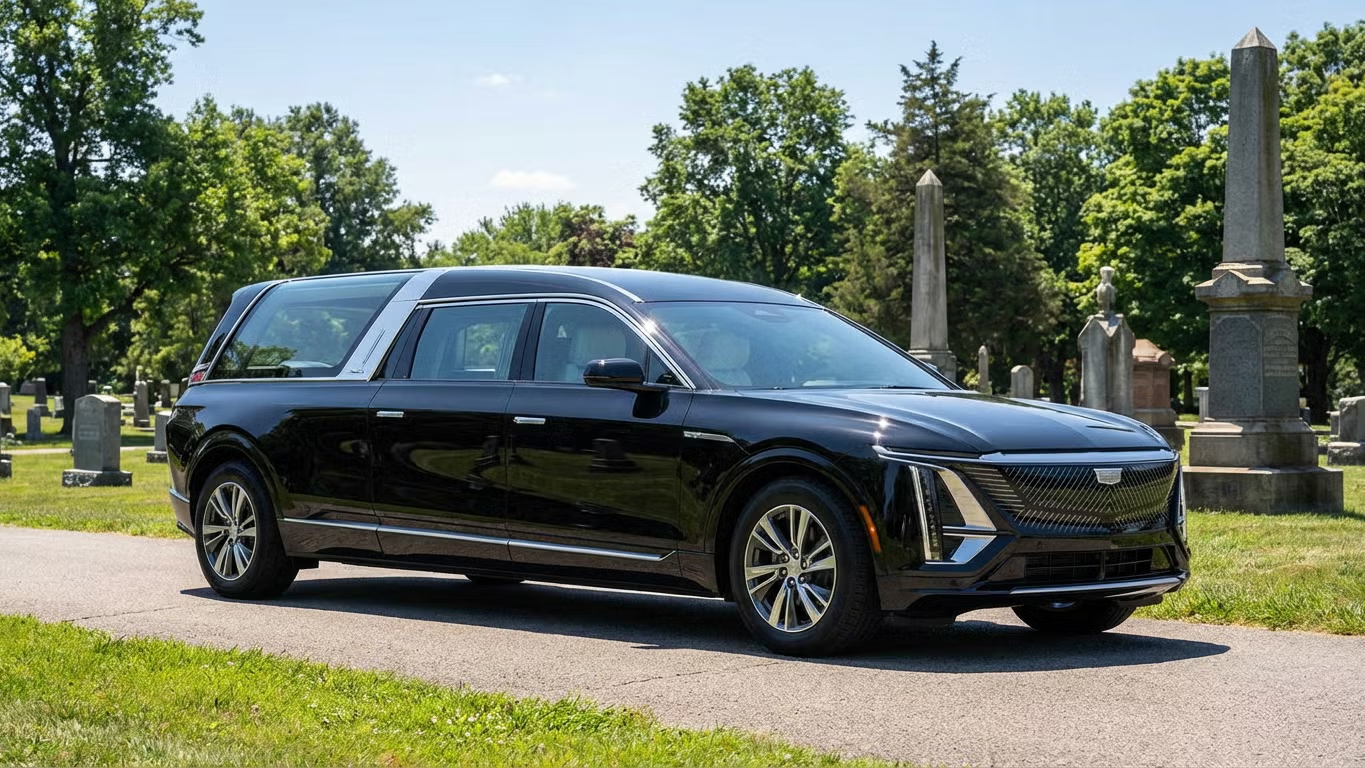
As this intro for the ages says: “Die-hard combustion-engine fans may say they'll only accept EVs 'over my dead body.' Well, here you go.”
The Cadillac was also the vehicle of choice for Ghostbusters, otherwise known as the Ecto-1. Surely they could plug in for some V2G (vehicle-to-ghost) for a modern remake. Or maybe we could even see a new version for the modern age?

And if you’re thinking about continuing the electric farewell, then maybe Water Cremation Aotearoa could help.

The new option (also known as Alkaline Hydrolysis) opened at its facility at Bell, Lamb & Trotter in Christchurch last year.
Electric benefits
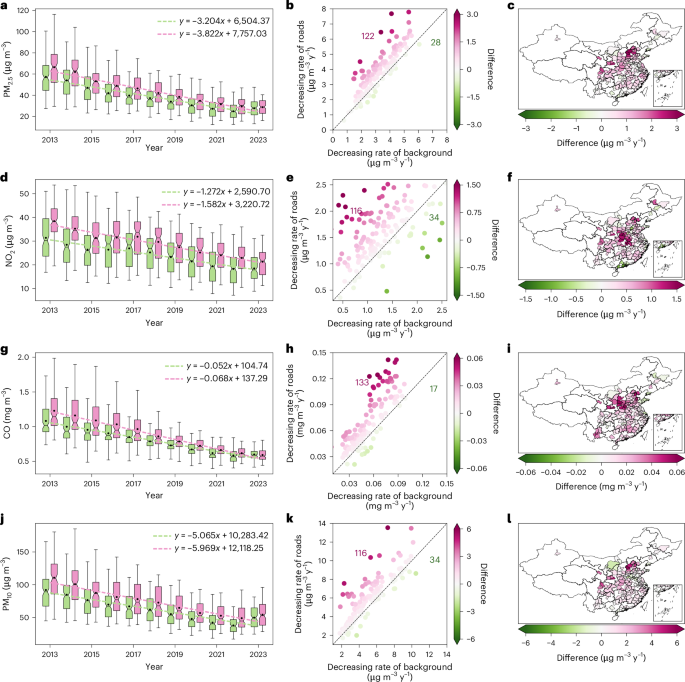
China and a range of other countries are clearly focused on the economics of electrification right now, especially as fuel and gas prices rise, but there are plenty of other benefits and a new study in Nature Health has shown that “the reduced air pollution associated with China’s adoption of electric vehicles up to 2023 has prevented hundreds of thousands of deaths, particularly in ‘economically developed’ cities.
Plug the knowledge gap
One for the real energy nerds here: the digital museum of Plugs and Sockets.

It’s a goodie from the vintage internet and we came across it in Dense Discovery’s section called "Wanderings: Charming discoveries from the internet’s back alleys that you don’t need but might love".
Set fire to the rain
EuroVision has just kicked off, and so has the lesser known Fossil Vision competition, a creation of serial satirist Oli Frost that aims to draw attention to the work that Publicis Groupe does for fossil fuel companies.

Political Power has gone local! Dr Nick Smith, mayor of Nelson and ex-National Party minister, is an early adopter when it comes to electric machines but, through his efforts with the council and his close involvement with the Ratepayer Assistance Scheme, he's also embracing one of Rewiring's core mantras: once you've electrified your own life, electrify someone else's life, too.
Read moreDownloadWhether it's the growing number of electric buses, new electric trains for the lower North Island and City Rail Link, or new electric ferries, we love seeing more electric transport options in our big cities. It's also good to see some of our smaller cities like Palmerston North, Timaru and Nelson going electric and, as is almost always the case, the drivers reckon it's better on electrons. At the Electrify Nelson expo, we spoke with one driver Lee about the city's electric buses. And he definitely wouldn't go back to diesel.
Read moreDownload