Operation Laser Kiwi: help us take New Zealand-made energy on the road

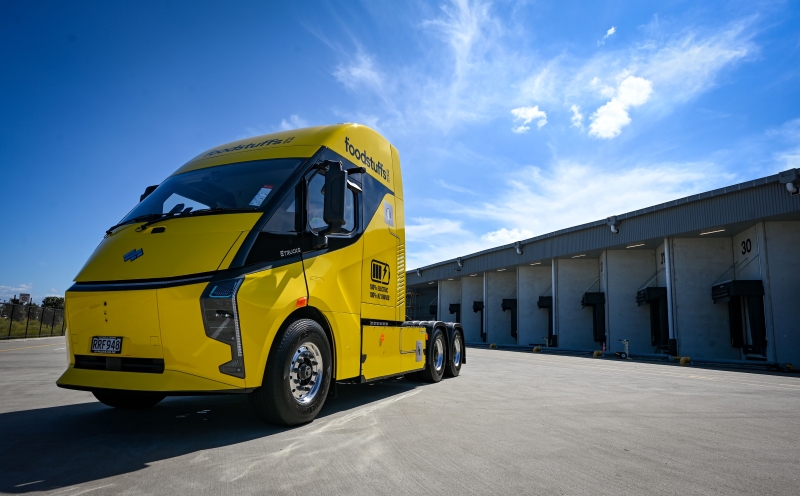

We're really trucking along this week as Foodstuffs goes electric; Etrucks' Ross Linton crunches the numbers with the current prices and says there's never been a better time to get an electric truck; the New Zealand Trucking Association says we should be running on New Zealand-made energy; Australia - the world's biggest importer of diesel - sees demand for electric trucks rise as price parity is reached and shows that electric long-distance freight is possible; legacy automakers are seeing this fuel crisis as existential (and Mike Casey picked the petrol car hot potato scenario last year); dirty ol' diesel generators might be on the outer as battery solutions for festivals and conferences come into play; a potential cultural tipping point as Daniel Craig backs luxury Chinese EV brand Denza; and you've heard of Ranger Anxiety but how about Ramxiety?

Think big
Diesel prices have gone up much more than petrol prices and that’s putting a lot of pressure on businesses that rely on it. It’s also making electric alternatives much more appealing.
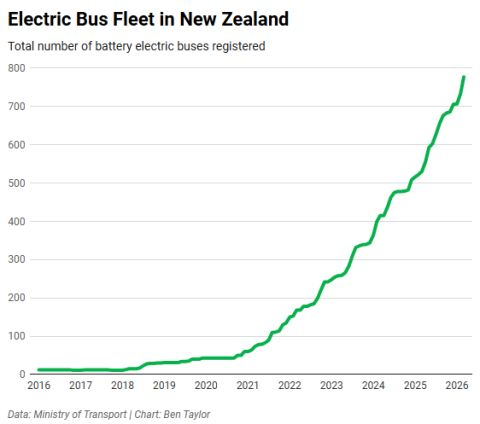
The number of electric buses is growing steadily, as Ben Taylor showed, and while electric trucks make up a small proportion of sales, they are also on the up.
Foodstuffs has invested in an electric Deepway truck recently that will tow an electric refrigerated trailer that joined the fleet in 2024.
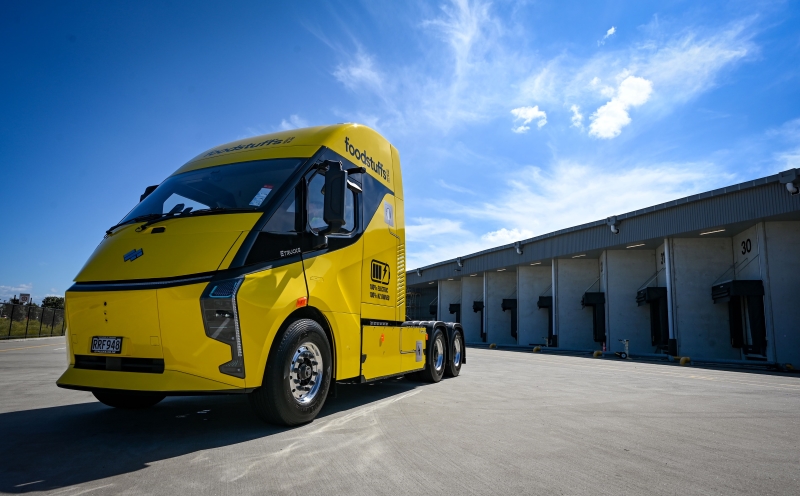
And, just in case you forgot, we’ve also done our own bit of electric trucking when we worked with Ross Linton from Etrucks - one of New Zealand's true electric heroes - to transport 123 boxes of electric cherries to all our MPs in Wellington (if we had those electric ferries for those electric cherries, we might have got the whole way on electrons!).
As Linton has pointed out, there has never been a better time to invest in an electric truck.
The LEHVF scheme is active, and you can get 25% off the purchase price of a heavy EV. Heavy EVs also pay no RUC until July 2027. That adds up to a compelling saving on a competitively priced truck like the Deepway. Using our TCO calculator, which includes $100k for a depot charger plus install we get:
At $3.20 per litre for diesel the Deepway wins over a diesel truck by $1.22 per km
When diesel pricing returns to normal and RUC is applied across all trucks:
At $1.6 per litre for diesel the Deepway wins over a diesel truck by $0.68 per km
At $1.6 per litre for diesel and paying RUC the Deepway wins over a diesel truck by $0.24 per km.
If you're in the transport business, which is already running on small margins, that's a big difference and a major productivity opportunity. And when the Government actively invests in infrastructure to make that transition easier and improve our energy security - like truck charging hubs on busy roads - that's when things start to shift.
Keep on truckin’
New Zealand Trucking Association chief executive David Boyce says in nztrucking.co.nz that this is a major crisis for the sector and “fuel has now overtaken labour as the biggest cost for many transport operators. That’s a fundamental shift, and it’s happening almost overnight.”
Like us, he can see that New Zealand-made energy is the way to go and said “we are one of the few countries in the world with strong hydro and growing solar capability. We should be using that to power our economy.”
New Zealand needs a coordinated, legislated transition to:
“This is not a future conversation, it’s a now conversation.”
And right now, that conversation is not really happening.
Over the ditch
Australia is one of the biggest importers of diesel in the world and similar trends are evident there. The ABC reports that “electric trucks had their strongest ever month of sales in March 2026, although they still account for a small proportion of total sales. For the first time, electric models are available for the same up-front cost as their diesel equivalents, including for road trains."
And it's being proven in real life:
"New Energy Transport, in partnership with Who Gives A Crap, ANC and Windrose, has successfully completed a fully electric freight delivery from Sydney to Canberra - from distribution centre to customer door. This delivery proves that zero-emission road freight is not a future concept - it’s already happening.Using the Windrose electric prime mover, the freight was transported on a single charge from Sydney to Canberra, before being delivered to the end customers using ANC’s electric last-mile delivery vans. This marks a major milestone for Australia’s freight industry - demonstrating that electric logistics can match diesel on performance, reliability and cost, while eliminating emissions, air pollution and noise
At the even bigger end of town, mining company Fortescue has been focused on ‘real zero’ for a while now and has ordered billions of dollars worth of electric machines.
As this video shows, it has reduced diesel consumption by one million litres per year with 15 electric excavators and as renewables make up a bigger chunk of its generation mix, it’s gradually reducing the need for fossil fuel generation.
The writing on the wall?
The current fuel crisis could be an existential one for some legacy auto brands that are set to be lapped by Chinese EV manufacturers, as these CEO quotes show:
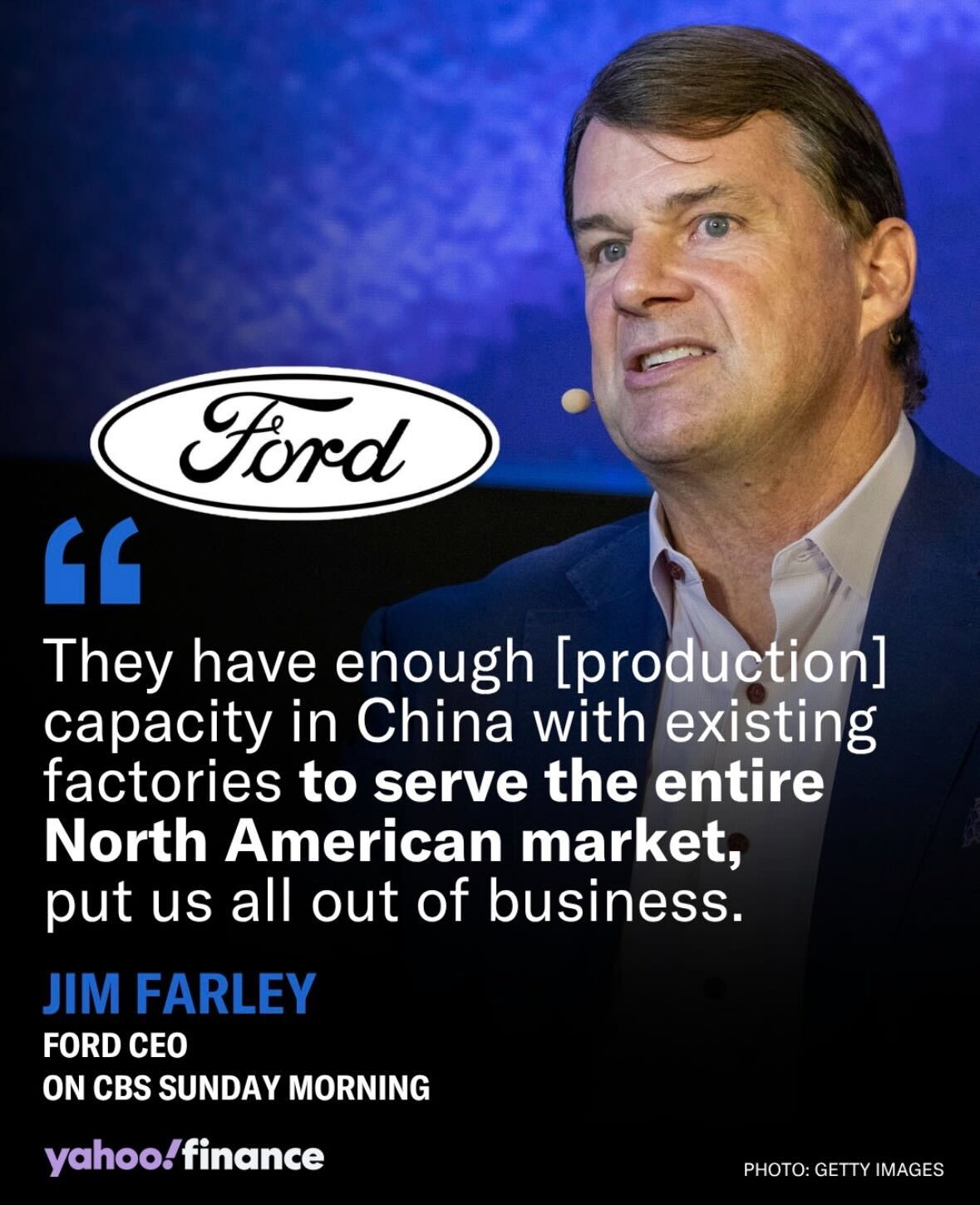
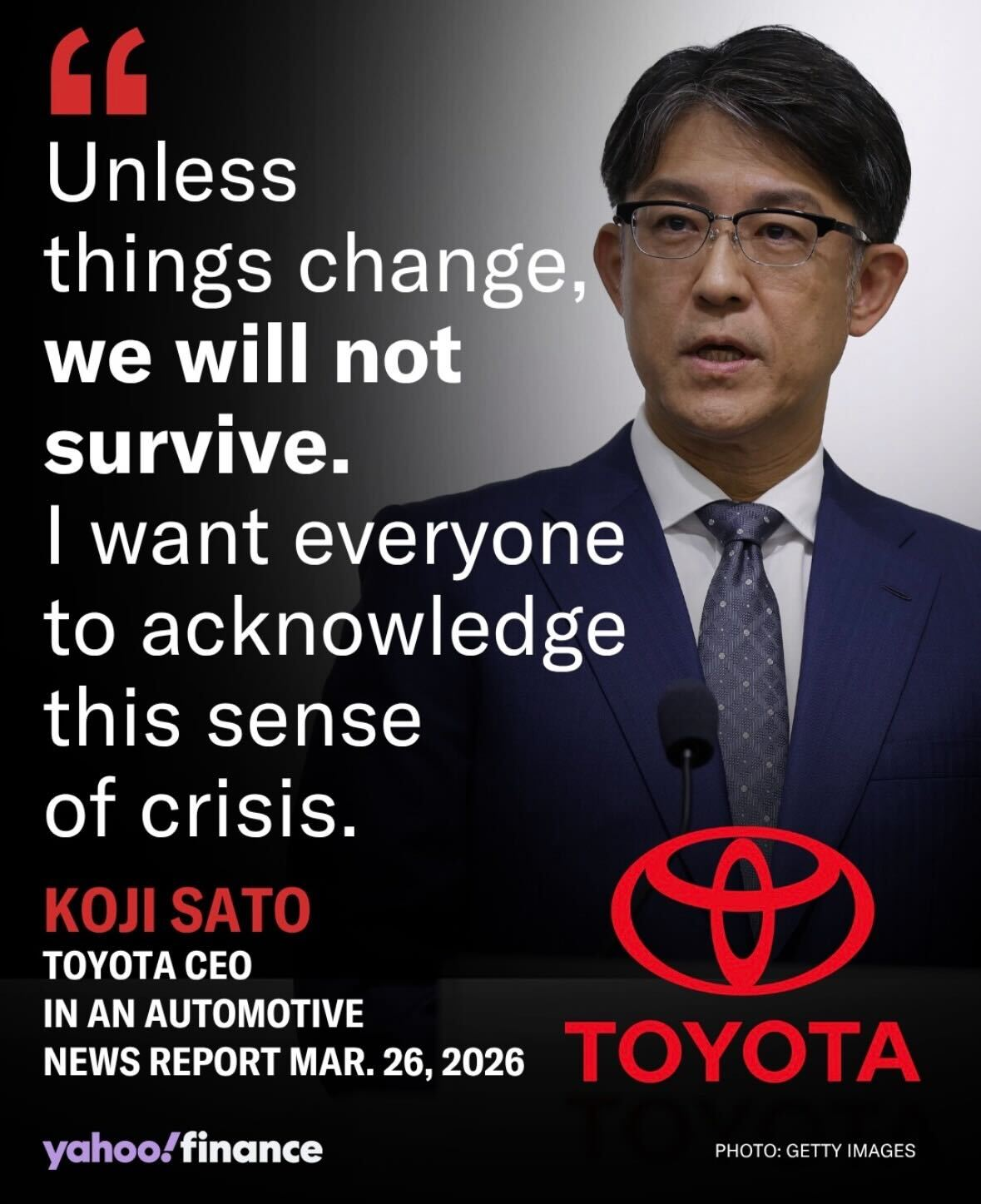
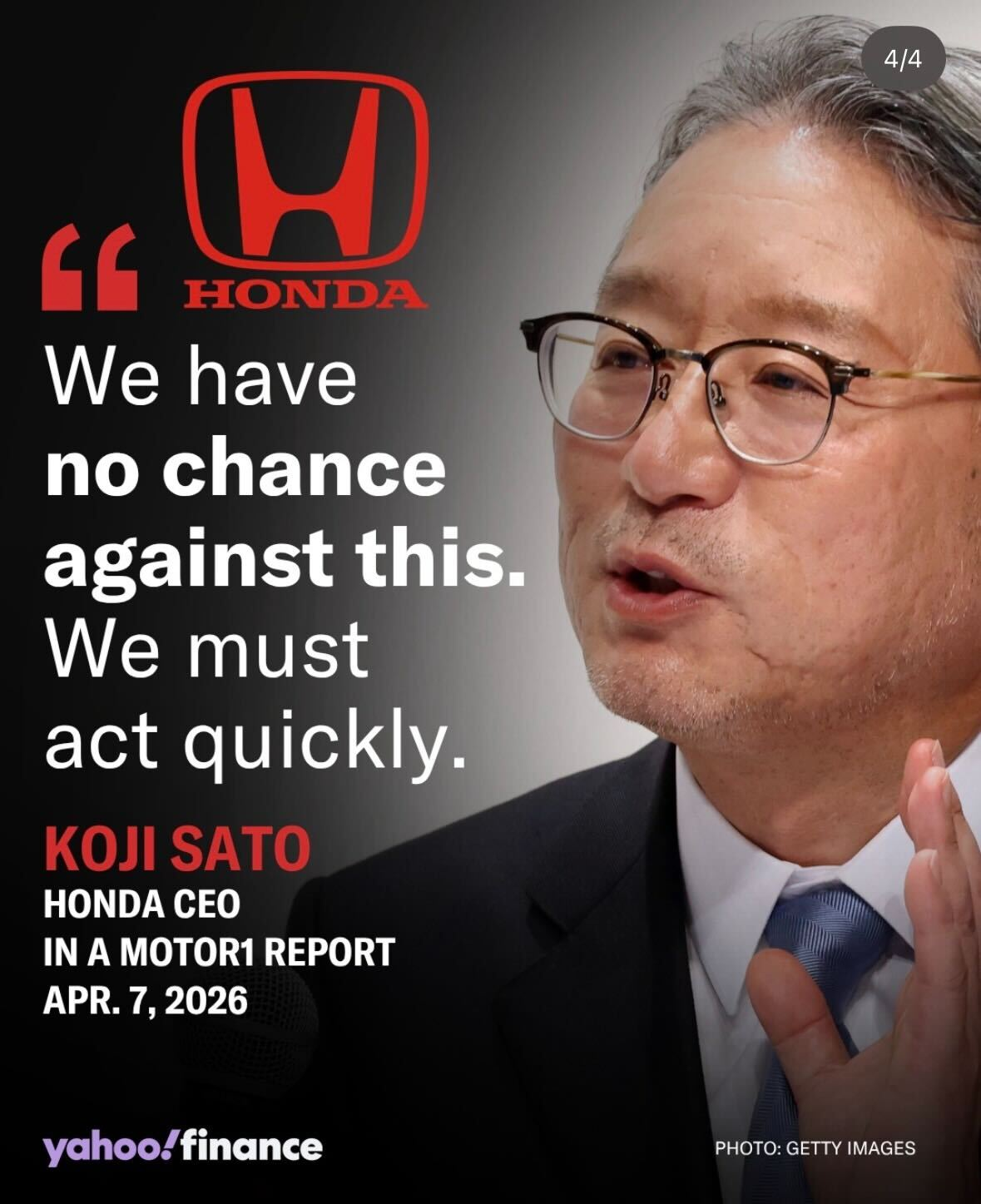
The innovator’s dilemma means it’s always difficult for incumbents to transition to new tech while disruptors come in fresh, but in the case of Toyota, it has actively slowed down the shift to EVs and now might be getting some comeuppance.
As Mike Casey wrote quite presciently in Newsroom last year:
“In the next five years or so, we may start to see a big game of petrol car hot potato, first between New Zealanders, and then between other countries. We are likely less than 3-5 years away from reaching the parity point where new EVs are the same price as internal combustion cars. Gartner believes it could come as soon as 2027. At this point it becomes even more obvious that owning a petrol car is a bad economic decision, because they cost more to run and service.
This means it will rapidly become much harder to sell any petrol car, meanwhile petrol prices will keep going up as people use petrol stations less, and more car owners will try to sell off their petrol vehicles, creating a vicious cycle or ‘death spiral’.
As EV adoption grows, petrol stations and petrol supply lines will start to shrink and prices will increase further (something we are also starting to see happening with the gas network).
A bunch of Kiwis will be left holding the hot potato of a petrol car they don’t want and it will be costing them far more than their neighbours’ electric equivalent of the same car. We will then try to palm off our hot potato petrol cars to other countries, but whoever does this too late in the transition will be left holding all the old cars. And it is very unlikely to be a tourist attraction like Cuba.
Economics tends to win out over politics and ideology in the end. Fossil fuels became the dominant form of energy because they were so cheap, abundant and accessible and they have taken us a long way in terms of human progress. They have also come with major consequences but there is now a cheaper alternative in the form of renewable energy (and particularly solar) and a cheaper way to get around, so the world is starting to optimise around those technologies.
Incumbents always try to cling on, but the horse and cart is now a novelty, as is the landline, the fax machine and the Blackberry. These technologies served us well at the time, but they have been usurped and my prediction is that petrol and diesel vehicles are next.
Festy bestie
It’s always frustrating to see, hear and smell diesel generators at an event. We’ve seen a few of our electric communities plug in to their EVs at small events and that's great to see, but what about the bigger festivals?
In London, the LIDO Festival ran on “a revolutionary battery system that powered the main stage for 32 continuous hours without a drop of diesel” and it recently won an award for its “green ethos and boundary-pushing bookings.”

“The decision to abandon traditional generators was driven by headliner Massive Attack and their Act 1.5 initiative. To meet the band’s demand for a 100% renewable show, LIDO’s organisers, LS Events, partnered with Grid Faeries and Ecotricity to deploy a 1MW battery system—equivalent to twin 500kVA generators—storing 3MWh of wind and solar energy.”
In New Zealand, Hamish Roberge, who delivers the Electrify Queenstown conference with Tom Tom Productions, has recently launched a battery-specific product for festivals and events.
For decades, New Zealand events have relied on diesel generators for temporary power. They're effective — but they're noisy, polluting, and built for construction sites, not ceremonies, keynote stages, or film sets.
NRG Systems was built to change that. New Zealand's first event-specific battery power solution, designed and engineered in Central Otago by people who understand exactly what events demand.
Silent operation. Zero onsite emissions. Three-phase output. Recharged from New Zealand's renewable grid. Full-service delivery, every time.
Rewiring could take a small amount of credit for this innovation, because during the first Electrify Queenstown conference, Mike Casey brought his tractor along and plugged in some electric heaters to warm the marquee. Gas heaters were not going to fly at an event like that.
Damn, Daniel!
Let’s call this a cultural tipping point: Daniel Craig, famous for his role as Aston Martin-driving James Bond, is now the face of BYD’s luxury EV brand, Denza, which is launching in Europe next month.
It appears Daniel likes a donut.
BYD is booming right now and, “with over 4.6 million new energy vehicles sold last year, including electric and plug-in hybrid vehicles, BYD surpassed Ford for the first time, ranking sixth in global auto sales in 2025.”
Here in New Zealand, BYD reported that it had sold out of on-the-ground stock as a result of the surge in EV interest but told the Herald that it has "reinforcements for April and May and its largest-ever shipment on the way in June."
Ramming it home
You’ve heard of Ranger Anxiety. How about Ramxiety?
"The sentiment around making the electricity market fairer and cheaper for customers is great, but there's still something missing." That's Rewiring Aotearoa CEO Mike Casey's summary of Act's energy policy announcement today.
Read moreDownloadACT will open electricity networks to competition, give New Zealanders more freedom to generate and sell power, and make monopoly lines companies prove consumers are getting value before loading more costs onto their power bills, says ACT spokesperson for Energy and Resources Simon Court.
Read moreDownloadACT is pledging to keep the gentailers whole and use market forces to curb the costs of lines management and increase solar repayment rates. Energy spokesperson Simon Court announced the party's electricity policy at Parliament on Friday afternoon.
Read moreDownload