Operation Laser Kiwi: help us take New Zealand-made energy on the road


Financial commentator Frances Cook uses her own story to show that that an investment in solar and an EV significantly outperforms the stock market and fellow number cruncher Nadine Higgins says that if you do it right, EVs are cheaper to run and own; EV sales have climbed to their highest level since 2022 and are closing in on 2023's numbers and Go Rentals has just invested $2.3 million in some new Tesla Model Y Premiums; the gap between energy costs of diesel vans and utes and electric vans and utes is absolutely massive; solar is also going off right now, with one installer in Otago 448% above their sales target in March; Lightforce has gone back to the Barretts with a new TV ad; Wellington mayor Andrew Little explains its electrification strategy and Hutt City Council shares data showing how its fleet has gone from dirty Toyotas to cleaner EVs; Shenzen in China has electrified its public transport and taxis and that's come with big benefits - and some challenges; and a very simple illustration of the LNG terminal.

Follow the money
We’ve been saying that going electric will save you bucketloads for a while now and, as our explainer pointed out, getting solar is a better investment than the stock market. Now Frances Cook, a well-regarded financial commentator is backing us up.
“I spent $89,000 on home solar and an electric car - and now I have a return on investment that beats the sharemarket.
And that was BEFORE we started the current slide into an energy crisis.
18 months ago we looked at the continuously increasing power bills and thought, right, now is the time to decide if solar is worth it for us.
We ran the numbers.
They seriously stacked up.
But it wasn't a straight-forward process.
We investigated every option, including whether we needed a battery, how much to spend, and of course, financing options.
This was truly a financial decision, the same as buying a home, or investing into shares. We expected a return on investment.
And now, 18 months later, how does it work out?
The average sharemarket return is 7-10% per year.
This solar and electric car investment? My rough calculations say 15.6% return.”
Another financial commentator, Nadine Higgins, crunched the numbers on EVs and discovered the same thing.
“To my mind, a car is more often a money pit than it will ever be a wise financial decision in its own right. But EVs are clearly cheaper to run – so if you can keep the price premium to a minimum, charge mostly at home, and avoid financing mistakes – it could be a decision that pays off.
Moving the dial
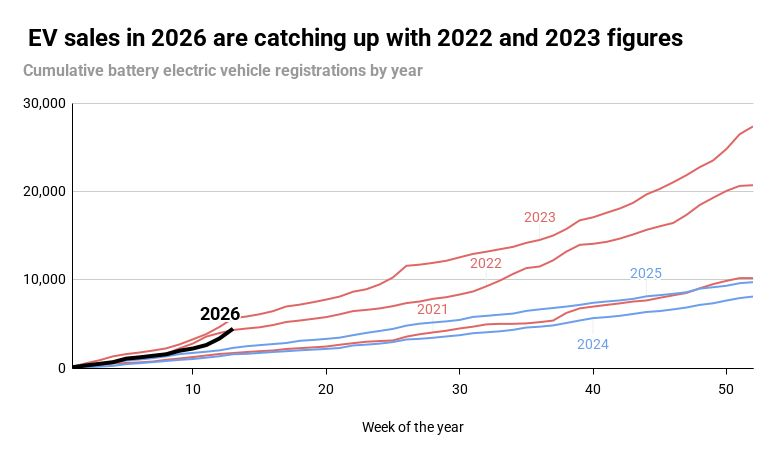
Not surprisingly, full EVs are flying off the shelves right now as more New Zealanders figure out there are cost and reliability benefits (and don't forget about those pesky emissions!). The latest numbers show EV sales in March were almost four times higher than the average over the past two years and the numbers are getting close to 2023 levels when the Clean Car Discount was in place.
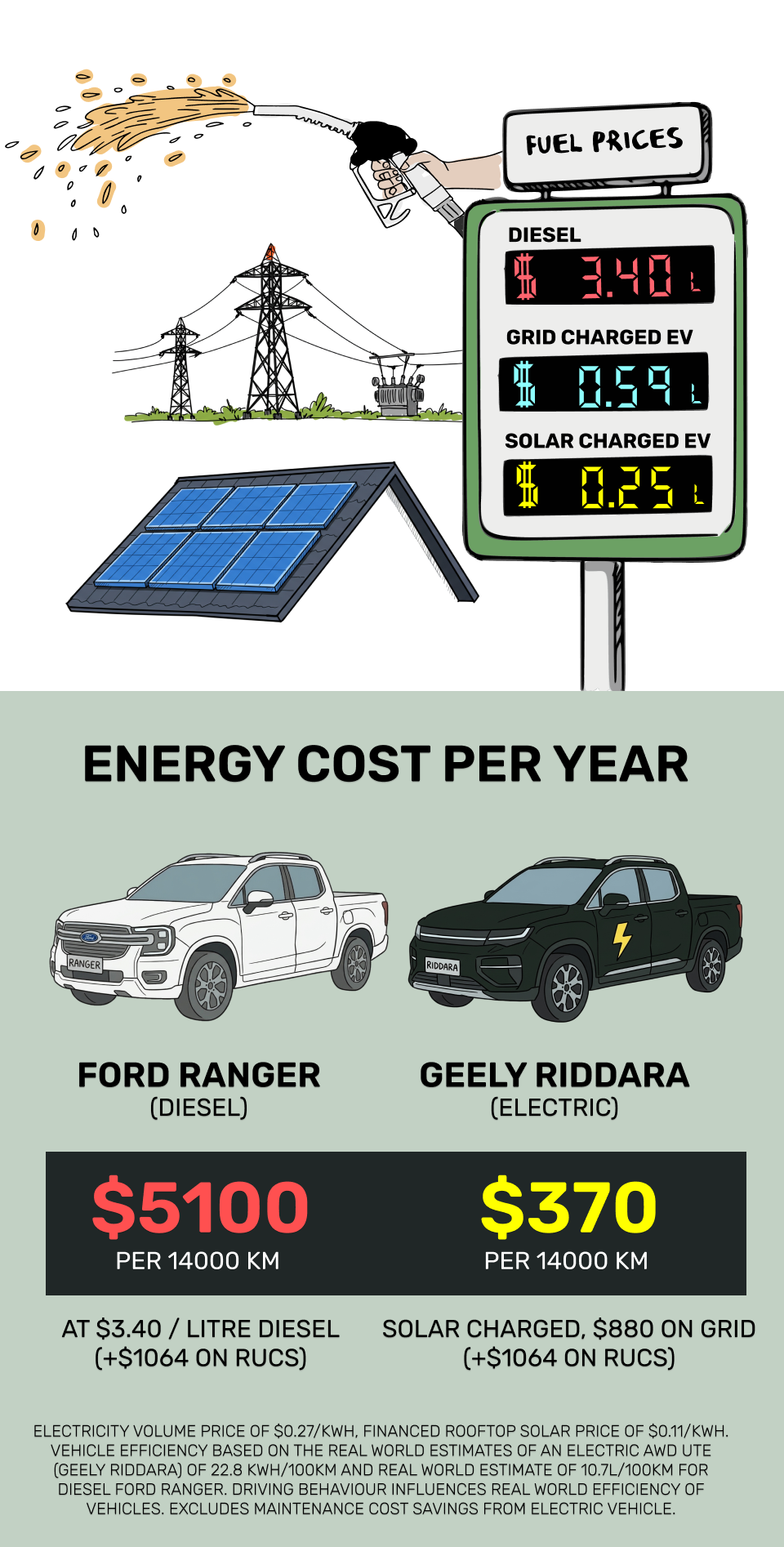
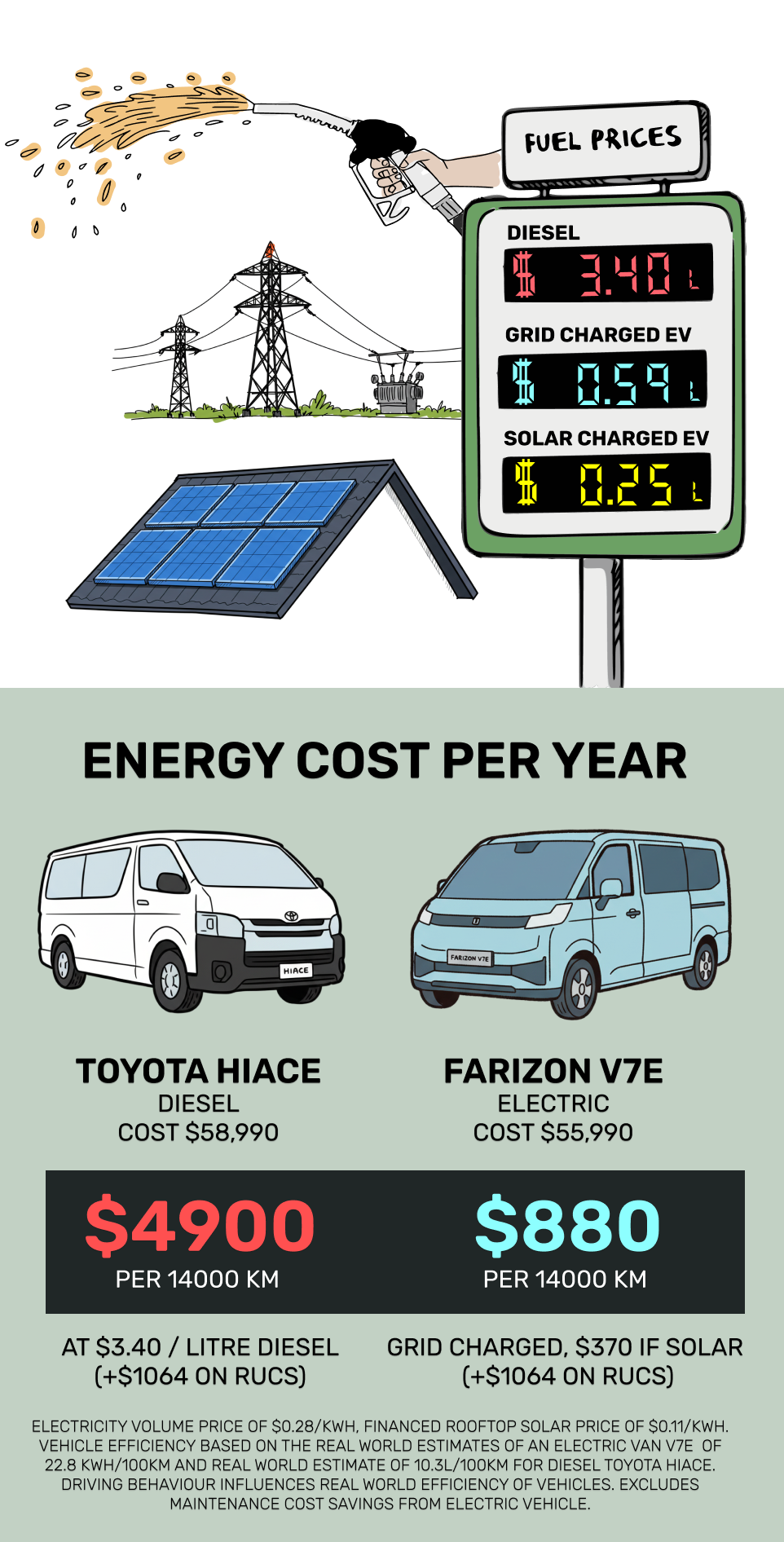
We’ve been comparing different models based on current diesel prices and there is a huge gap when it comes to energy prices - and not much of a gap when it comes to upfront costs (and in the case of the vans, a discount on the electric version).
Go Rentals has also just joined the fray, investing $2.3 million to purchase 51 brand new 2026 Tesla Model Y Premiums, more than doubling its existing Tesla fleet and becoming New Zealand's largest Tesla rental operator.”
Up, up and away
Solar is also going off right now. One installer in Otago told us they were 448% above their sales target in March. And Lightforce is taking the opportunity to grow that with a new TV ad. .
It’s always risky getting All Blacks to act in an ad. But Lightforce has managed to do quite well with the Barrett family (and the Barrett family is probably doing quite well out of Lightforce).
Wonder how Beaudy’s bidirectional Sigenergy charger is going? Rest assured, we’re working on it with our V2G trial.
Grin and mayor it
Councils use a lot of fuel and gas. But the smart ones are trying to get off it and Wellington mayor Andrew Little explains its electrification strategy well - and pushes his constituents to upgrade - in this vid, along with offering some hints to get through the fuel crisis.
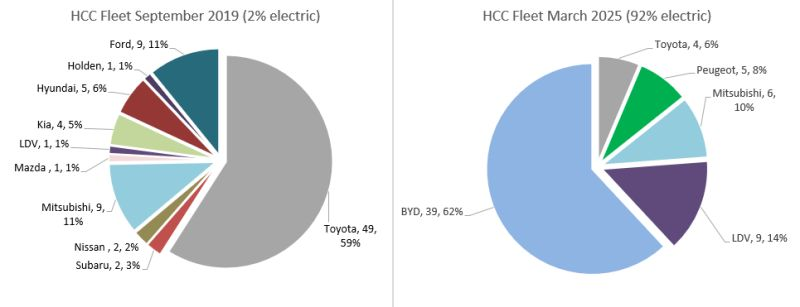
Not far away, Hutt City Council has also been electrifying its fleet and shifted council assets like pools away from expensive gas.
As Jörn Scherzer says: “Hutt City Council’s light vehicle fleet used to be dominated by Toyota, like many typical government fleets. But the lack of suitable electric models meant we looked elsewhere. More change is inevitable, with EVs now becoming mainstream, although some brands are further along that journey than others.”
Christchurch City Council’s new infrastructure, like Te Kaha Stadium and Parakiore swimming complex are also all electric.
Public good
There’s plenty of talk about the role public transport can play in the fuel crisis, and usage is increasing in New Zealand as people leave their cars at home. China is one the countries best placed to ride out the current oil crisis. It still uses a lot of oil, and it has stockpiled a huge amount of the stuff, but it has also gone hard on electrification and is now selling the rest of the world the goods they need to reduce their reliance on imports.
In Shenzen, it’s electrified its entire public transport network, including all of its taxis.
Running over Peter to pay Paul
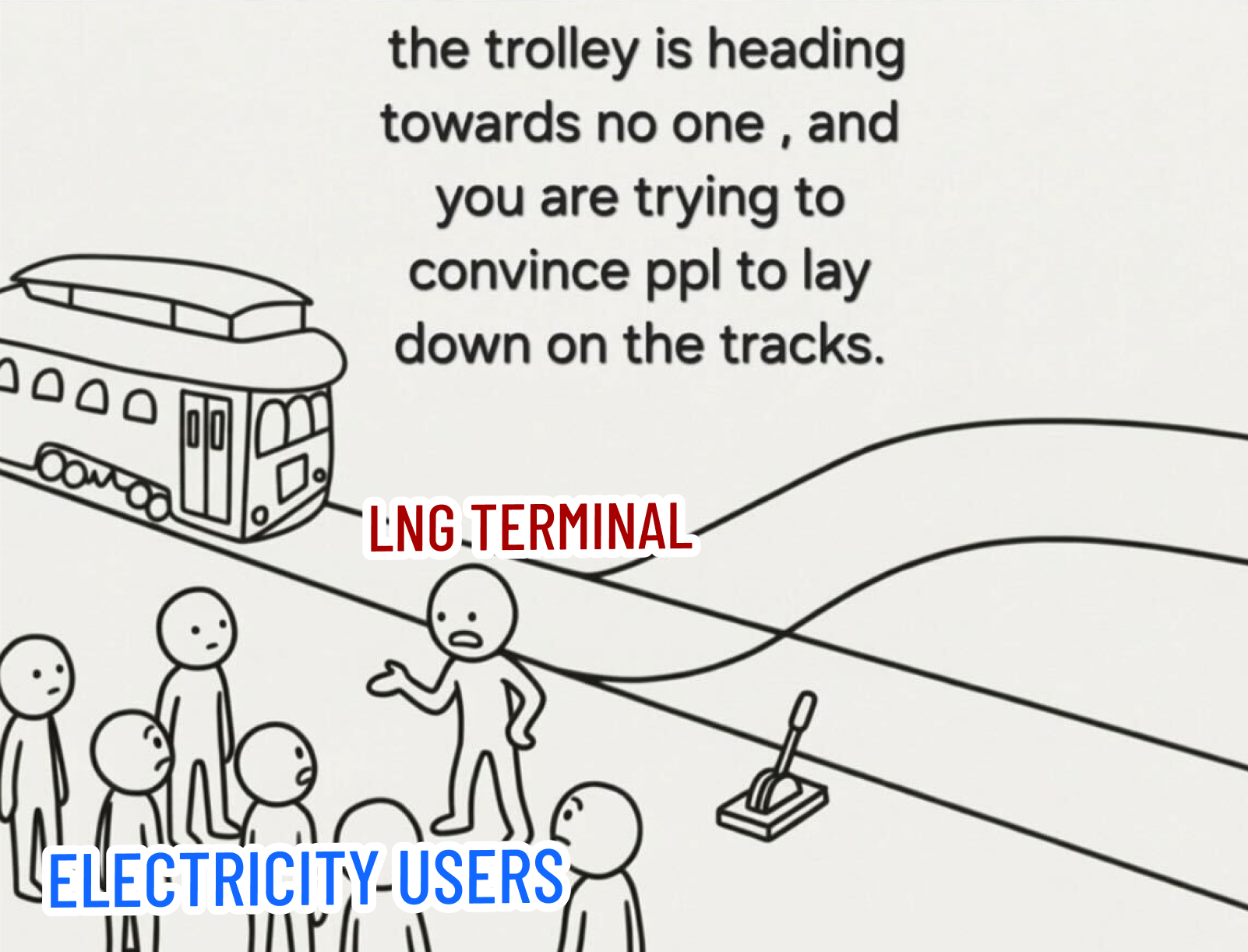
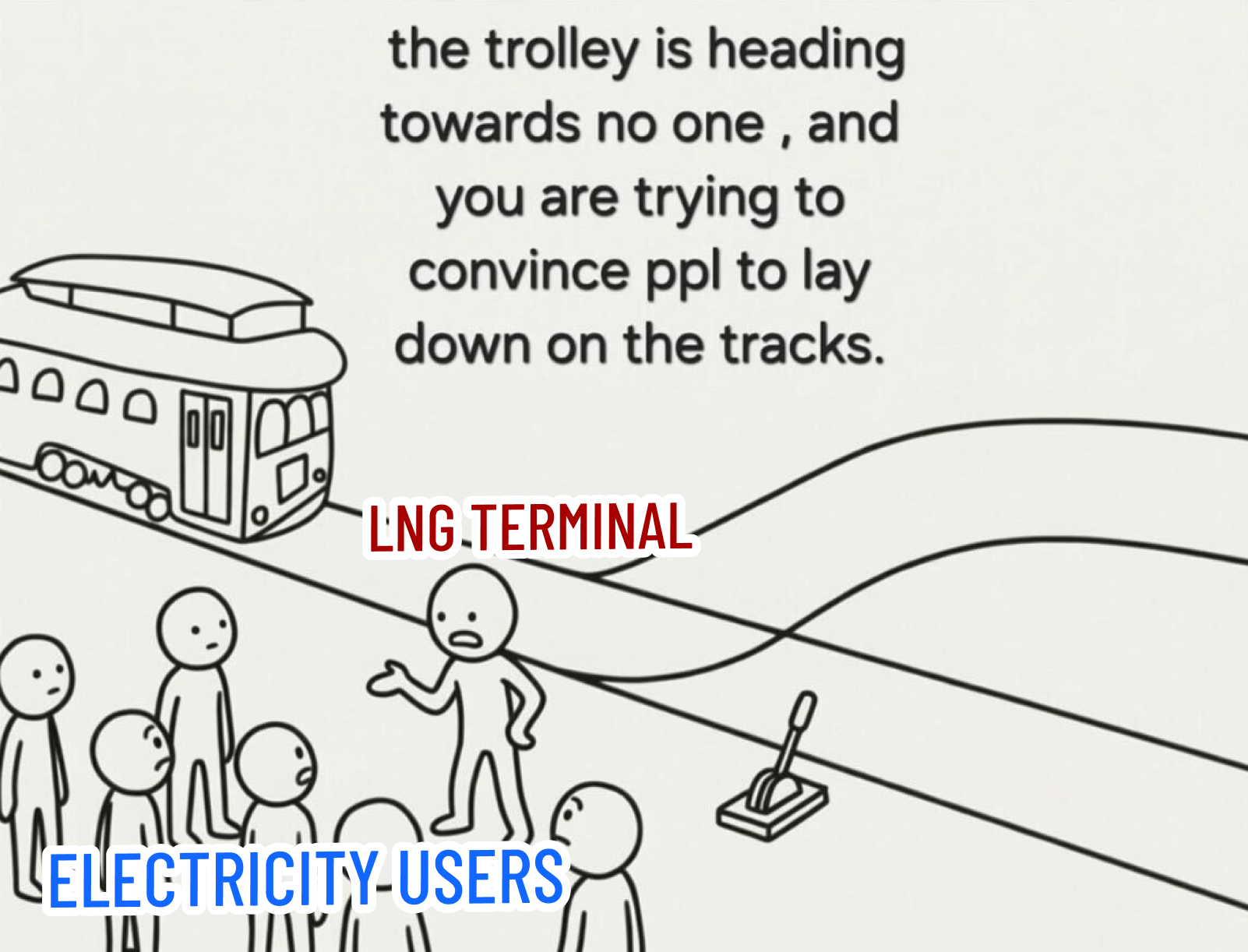
As Mike Casey noted after Simon Watts lost the energy portfolio in the Cabinet reshuffle, he backed a white elephant and discovered they were quite hard to carry. And this explains why it was such a bad idea to make electricity users pay for free insurance for the gas industry.
"The sentiment around making the electricity market fairer and cheaper for customers is great, but there's still something missing." That's Rewiring Aotearoa CEO Mike Casey's summary of Act's energy policy announcement today.
Read moreDownloadACT will open electricity networks to competition, give New Zealanders more freedom to generate and sell power, and make monopoly lines companies prove consumers are getting value before loading more costs onto their power bills, says ACT spokesperson for Energy and Resources Simon Court.
Read moreDownloadACT is pledging to keep the gentailers whole and use market forces to curb the costs of lines management and increase solar repayment rates. Energy spokesperson Simon Court announced the party's electricity policy at Parliament on Friday afternoon.
Read moreDownload