Don't listen to Old Man Gas. Ditch LNG. Support New Zealand-made energy!

.png)

Fringe Benefit Tax changes make EVs better more appealing by up to $7k a year; NZ Post, Kaibosh and HEB Construction and many others aren't waiting for rule changes to go electric; the share of EVs keeps growing around the world; lots more marae are 'doing a Maui' and catching the sun; a native nursery near Nelson goes electric and heats things up in a very clever way; and is petrol or electric better when you're chopping down trees?

Brass tax
It was all about the money this week and what we labelled the ‘eye twitcher’ Budget in honour of renowned curmudgeon Moe Sizlack didn’t put much of it into moving the country away from imported energy, which, as one commentator said, has been "a slow puncture that, even in normal times, help to explain the sluggishness of the New Zealand economy". But one good bit was a change to Fringe Benefit Tax rules that means running company EVs will soon be more appealing - and potentially up to $7,000 more appealing every year.
Robyn Walker, a tax expert at Deloitte, has come up with some helpful scenarios that show what the changes might mean.
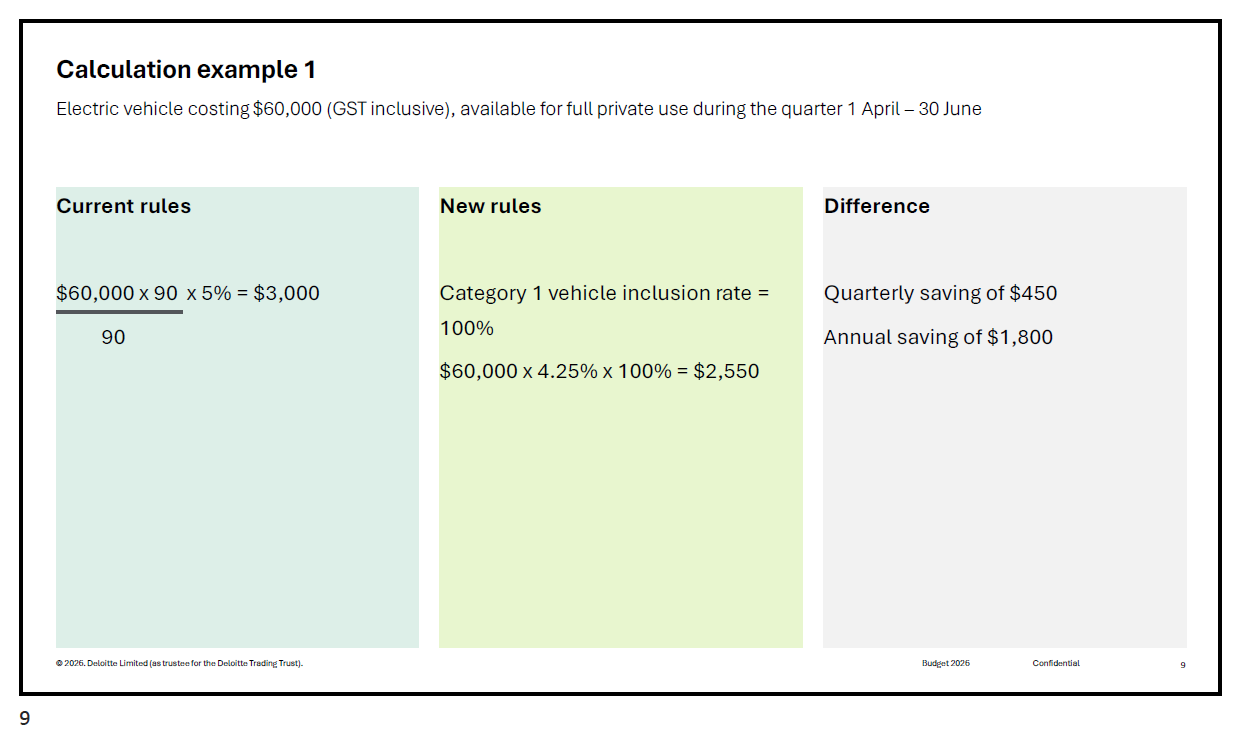
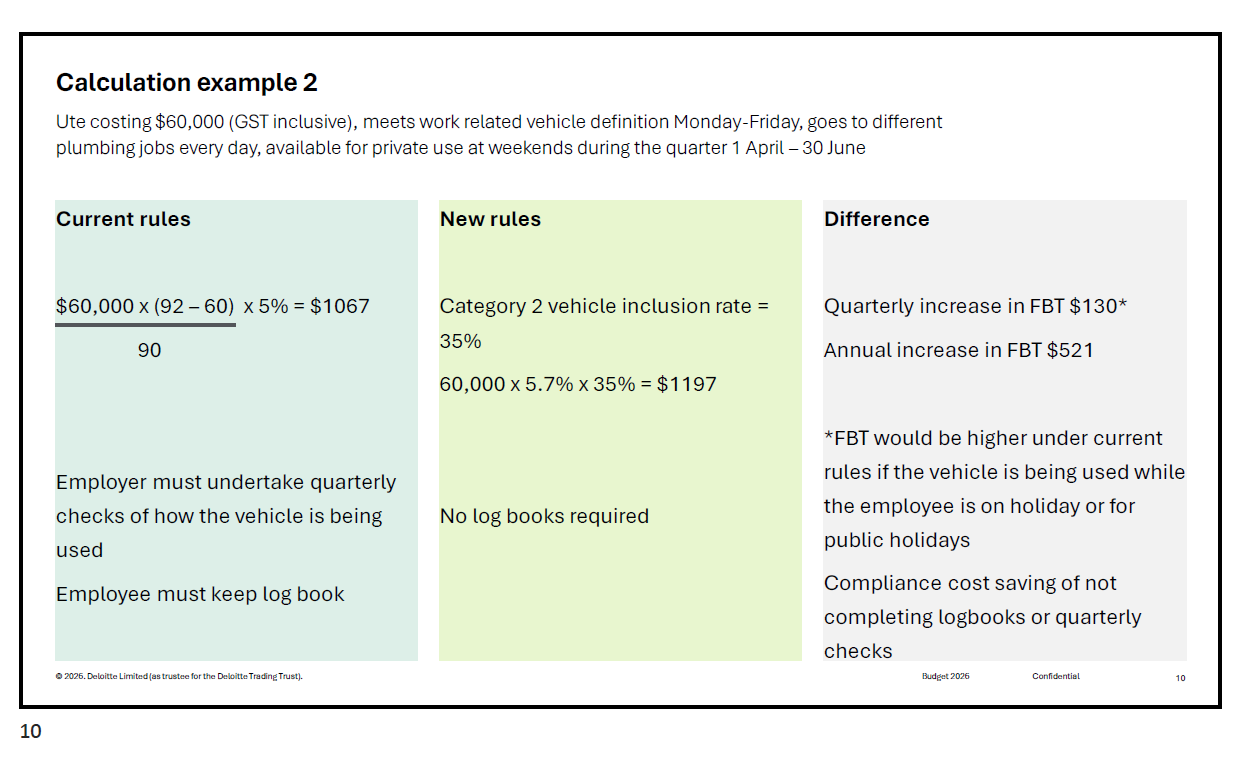
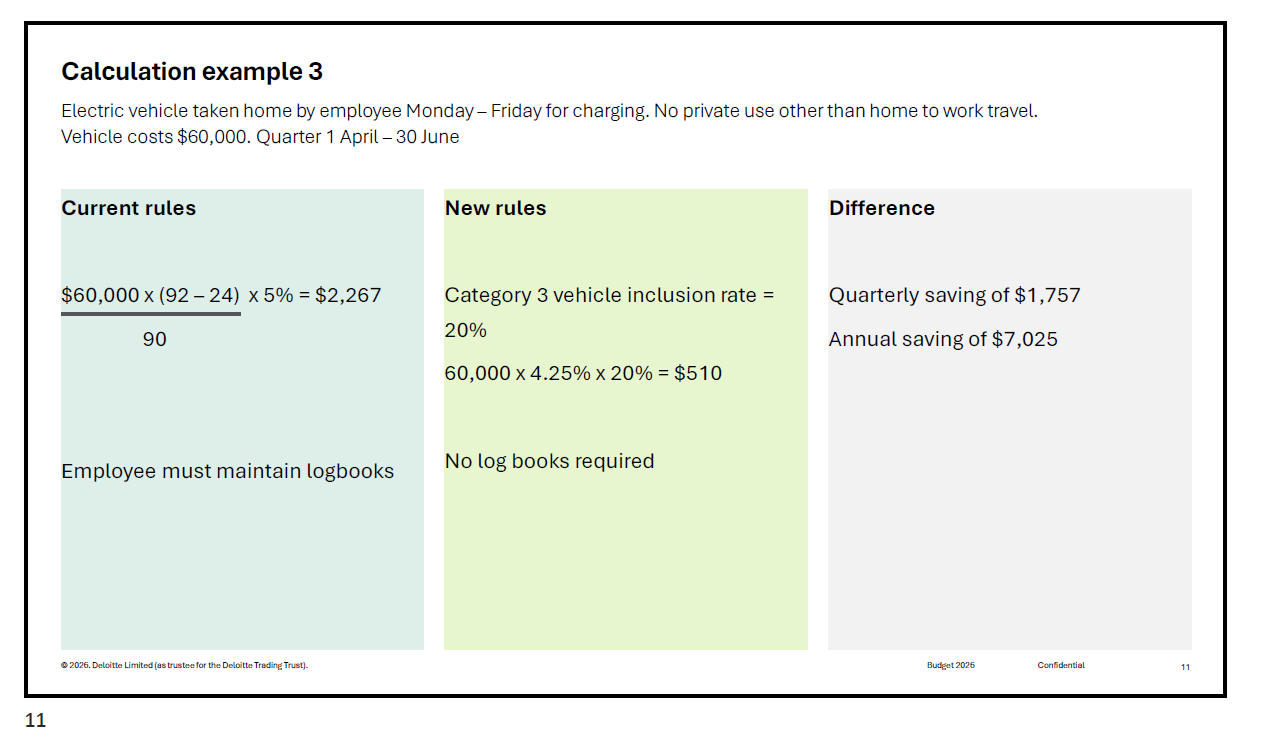
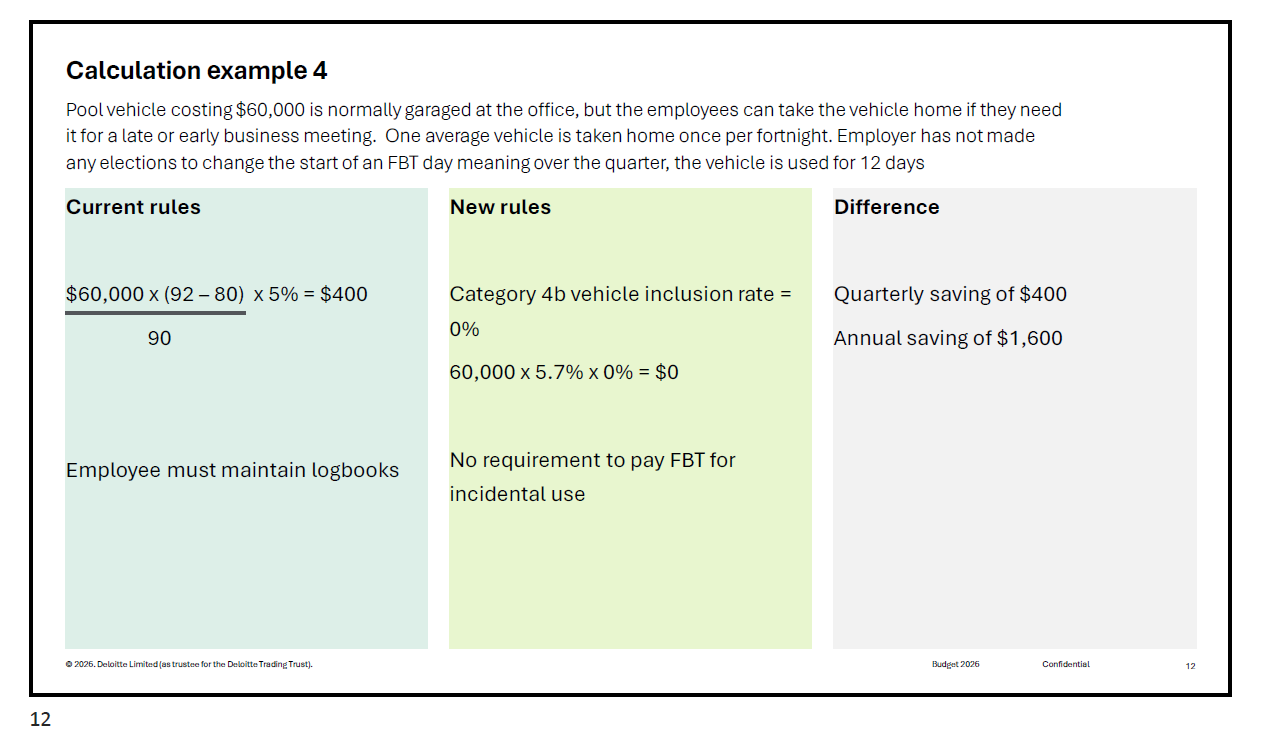
"What people will do is they will categorise their car and it will go into sort of one of six different categories depending on how the vehicle's actually used. And it will either be subject to full FBT if it's effectively a perk car that is available for private use all the time through to having no FBT if it is a business car only and there is very limited private use. Currently, the existing exemption for work-related vehicles that gets you out of FBT is quite limited to utes.
"What these rules will say is it doesn't matter what the vehicle is, it's just about how the vehicle is used. And so that's like a real improvement in terms of not having an incentive to buy a particular type of car. Any type of car, in particular electric vehicles … will be able to be exempt from tax potentially, which is a positive move in terms of making those vehicles more cost effective because the fringe benefit tax is quite high on them if they get taxed.
"And then that will have flow on effects to the secondary market because if you've got lots of large employers with large fleets of vehicles, turning them over like every few years, then that gets a lot of electric vehicles out for, you know, mums and dads and regular people to buy as secondhand EV.
"If it does end up being subject to FBT, there's ... new calculation formulas and so that will change depending on whether it's a standard petrol diesel car or if it's hybrid or if it's electric vehicles. So you will be paying less FBT on an electric vehicle going forward compared to what you currently are."
Go forth and multiply
Lots of companies aren’t waiting for the rules to change. It already makes sense to go electric - for a range of reasons.
NZ Post has already gone a fair way down the electric path with its own vehicles and it has also committed to its contractors going electric for last mile deliveries.

By the end of 2032, the last mile of parcel delivery will be completed by low emission vehicles. You’ll start seeing more electric NZ Post vans on the road as our Delivery Partners take care of that final trip from depot to delivery address - reducing emissions while keeping delivery reliable across Aotearoa.
For your customers, it means a more sustainable delivery experience. For your business, the same dependable performance you rely on, plus carbon reporting to support your environmental goals.
In a case study, the Sustainable Business Network tells the story of Kaibosh, which began transitioning its fleet in 2019, “starting with a board decision to move away from petrol and diesel.”
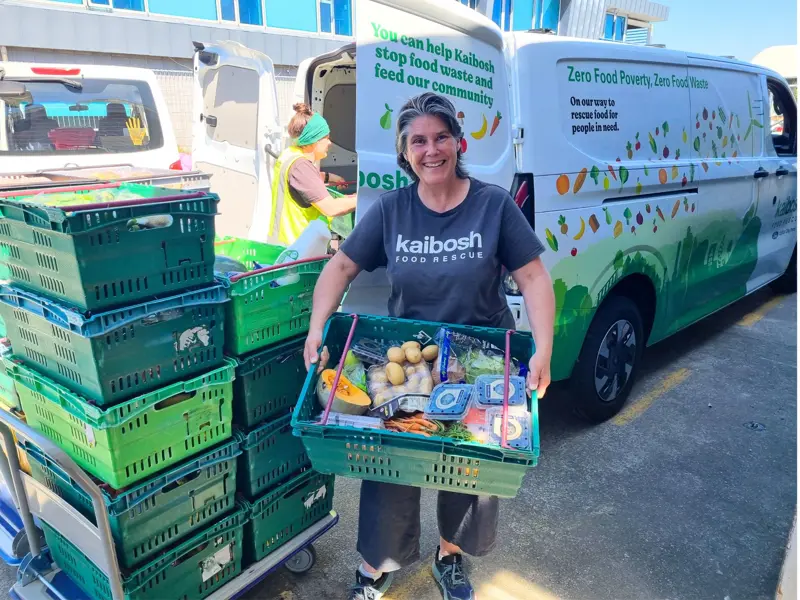
“Initially, this meant taking advantage of opportunities as they arose, such as acquiring first-generation EVs from Sustainability Trust in Wellington when they became available. Over time, the approach became more deliberate and strategic.
Today, six of Kaibosh's nine vehicles are fully electric, replacing four petrol vans and two diesel trucks. The fleet covers around 65,000 kilometres a year across the three bases. The core workhorse at the Kāpiti base is a 2025 Ford E-Transit on a free lease from Capital City Motors. It's reliable, predictable, and capable of around 270 kilometres on a full charge. The organisation is also trialling a large electric JAC truck for hauling bulk food from farms. It is looking for the best long-term solution for heavy haulage.
The breakthrough on the infrastructure side came with the installation of a ThunderGrid dynamic charger. Unlike a static charger that draws a fixed load, the ThunderGrid continuously adjusts its power draw based on what else is running in the building. When the chillers and freezers are in their active cycle, the charger draws less; when they drop out, it draws more. The result is a system that charges the vehicle safely and continuously throughout the day, without ever straining the building's aged electrical infrastructure. Drivers can return from a run, unload over 30 to 45 minutes, and leave again with the vehicle at full charge, without anyone having to manually manage the power load.”
We’ve featured HEB Construction on here before and, as it wrote, “shifting to EVs helps reduce emissions, lower our environmental footprint, and support more efficient, future‑focused ways of working.”
Ride the lightning
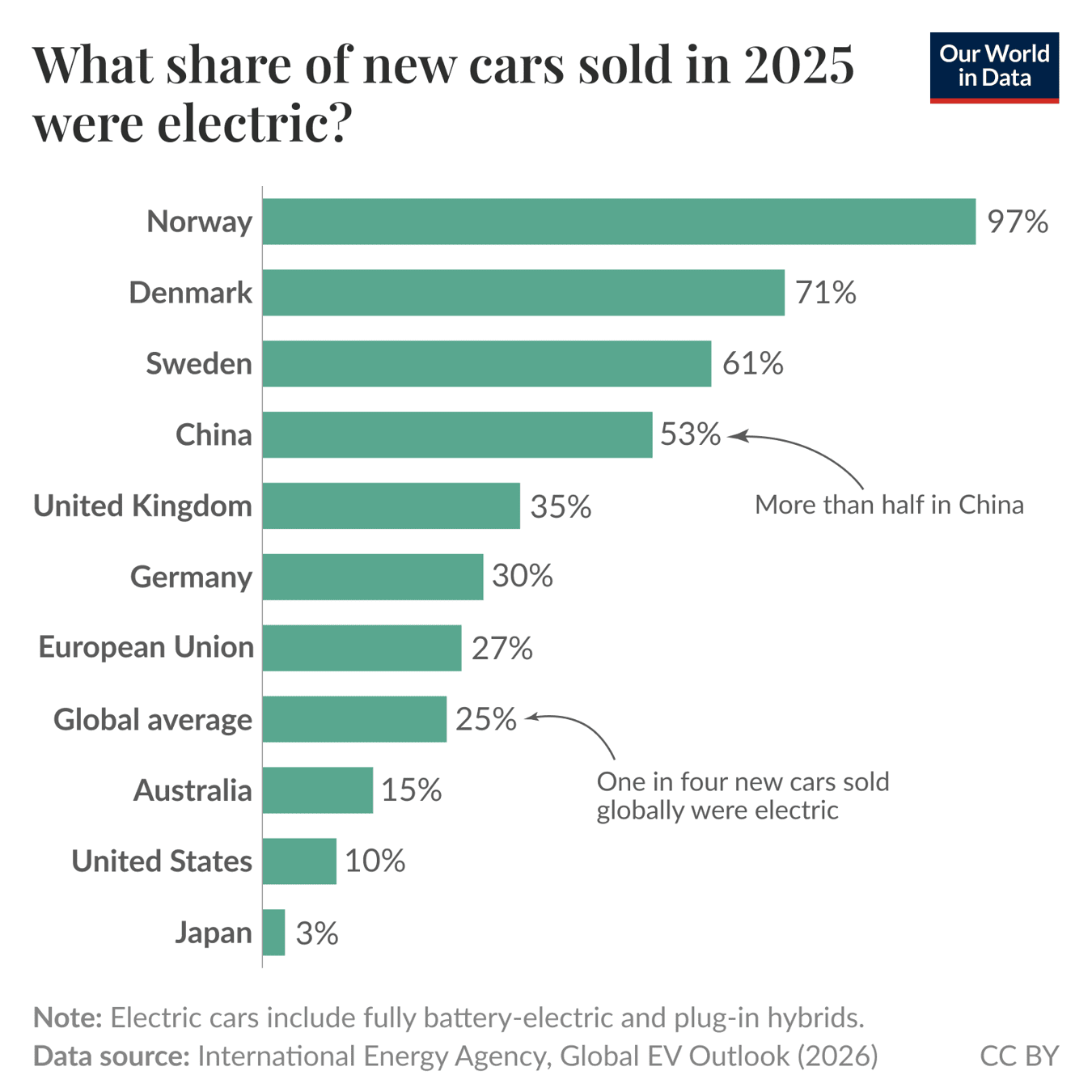
Around 60% of new vehicles are purchased by businesses in New Zealand, and making sure more of them are electric will help second-hand buyers get access to cheaper EVs. We’ll keep celebrating the wins but we’re a fair way behind. As Our World in Data shows, plenty of countries are already a long way down this road, and the trend has only accelerated as a result of the conflict in the Middle East.
Solar flare!
There’s been a massive surge in solar interest recently and the 'neighbourhood effect' proves that the more solar there is, the more solar there will be. Marae are not immune to this phenomenon and as more of them start ‘doing a Maui’ and catching the sun, others are seeing the benefits and getting involved, too.
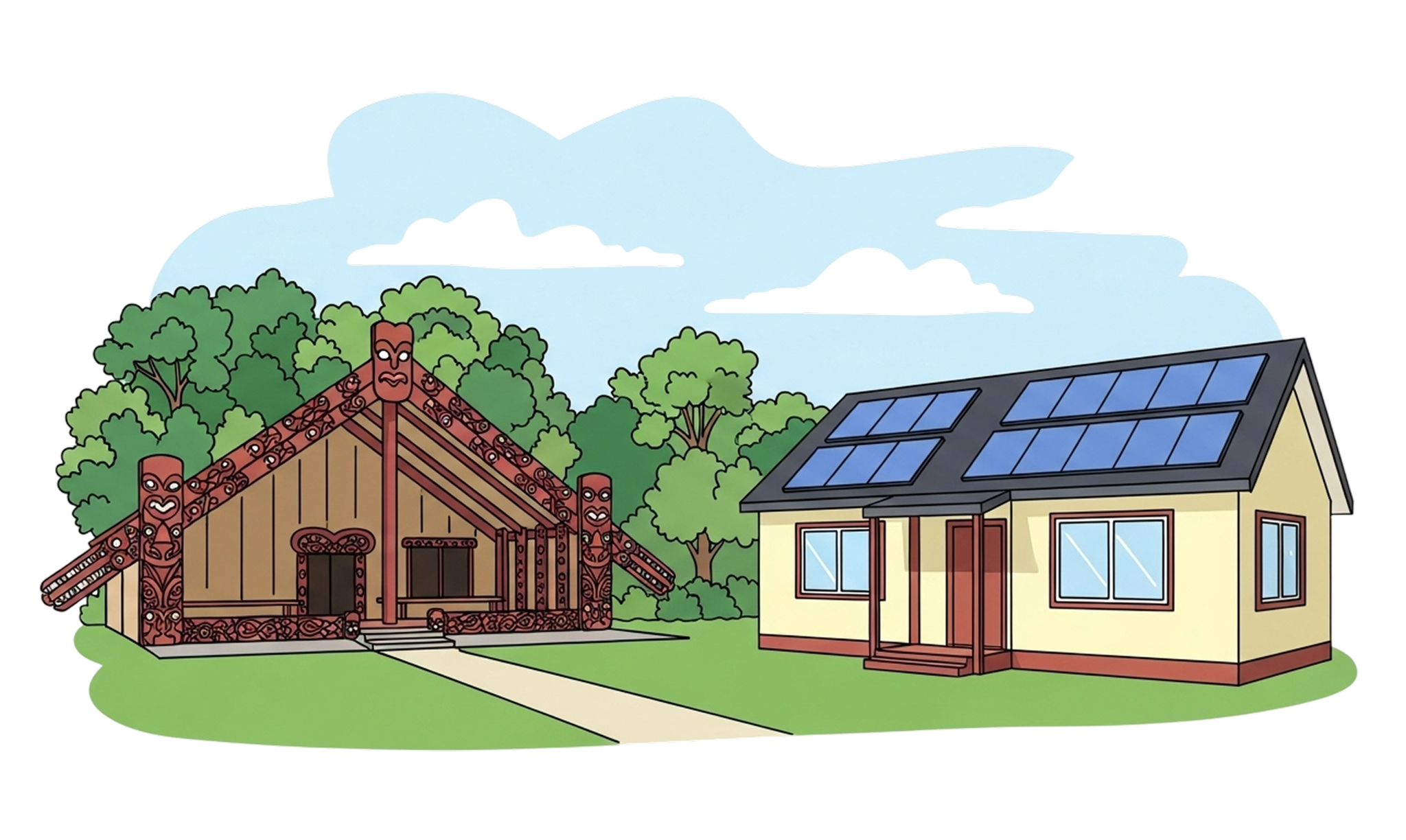
“Five marae from Whanganui to Taumarunui are running on solar power, and many more may join a major green energy initiative aimed at cutting electricity costs and strengthening community resilience ... A pilot programme will see solar panels and batteries installed at eight marae by the end of June, with a further nine installations planned before the end of the year. So far, 32 marae have registered their interest. Rangitāne iwi-owned and operated business Tū Mai Rā Energy is carrying out the installations.”
Project manager Troy Brown told RNZ it’s “a step toward mana motuhake - less reliance on the system."
Forest for the trees
Is Forever Trees the first fully-electric nursery in New Zealand?
John Etherington & Mandy Richards got in touch recently and told us about their small native tree nursery just north of Nelson and the Forever Trees Trust, which supports reforestation projects in Madagascar and East Africa.
As they wrote: "We are also on the electrification journey, and I am a massive fan of going electric as much as possible, with our goal in the next couple of months to have our nursery fully electric and off-grid.”
Their home's underfloor heating is also interesting. It runs on a very small electric pump, "but the key to it is that we heat the water for it by scavenging heat from a giant mulch / compost pile. So in effect free heat. We have been doing this for 6 years now and it is fantastic.”
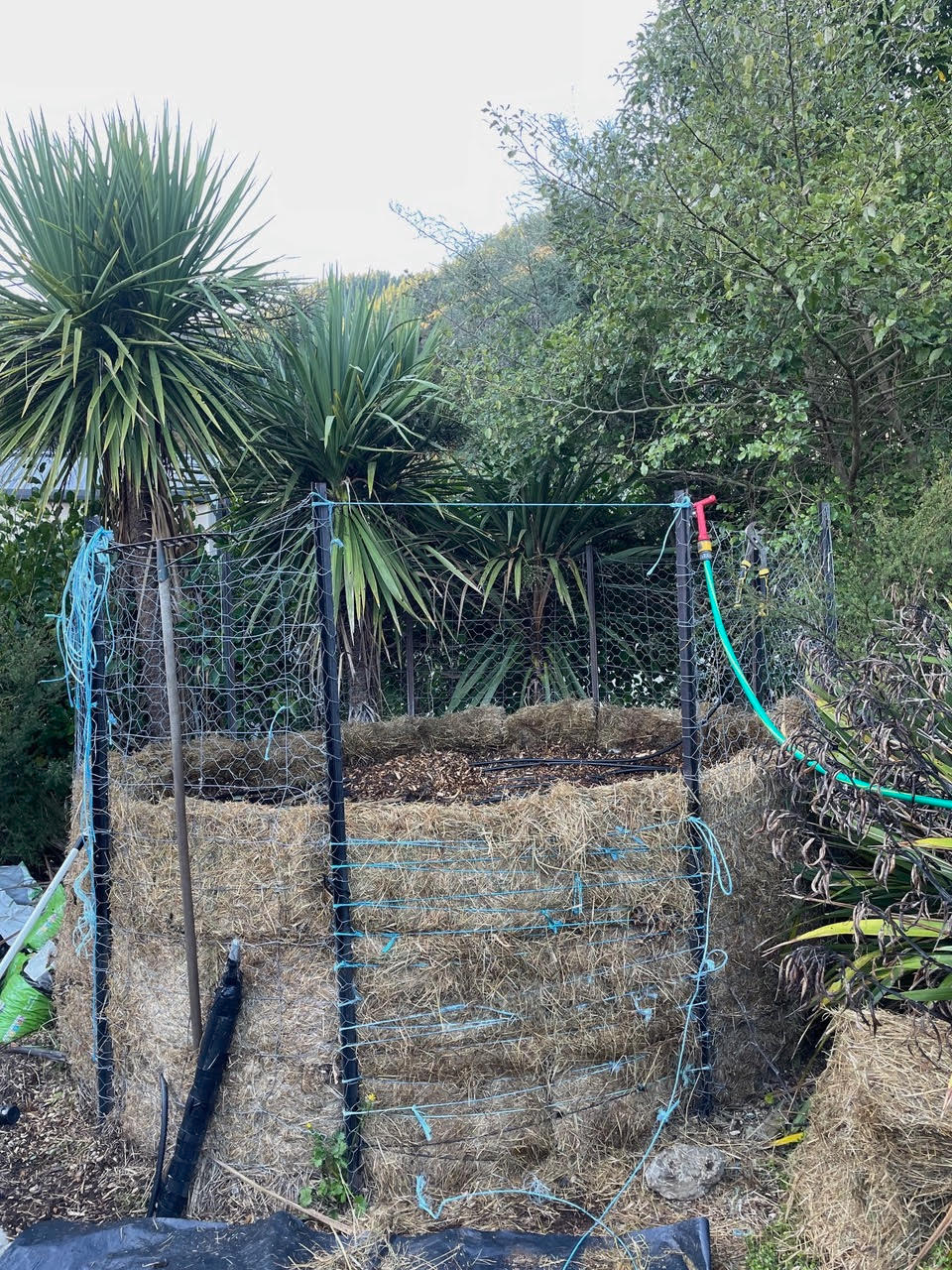
That’s some pretty smart energy use. But if you haven’t got a heap of decomposing matter (or any practical skills), you could always sign up for the Queenstown Electrification Accelerator’s Group Discount scheme for hot water heat pumps instead.
Chop it like it’s hot
Speaking of trees, when you want to chop them down, does electric or petrol work best? This should settle it.
Political Power has gone local! Dr Nick Smith, mayor of Nelson and ex-National Party minister, is an early adopter when it comes to electric machines but, through his efforts with the council and his close involvement with the Ratepayer Assistance Scheme, he's also embracing one of Rewiring's core mantras: once you've electrified your own life, electrify someone else's life, too.
Read moreDownloadWhether it's the growing number of electric buses, new electric trains for the lower North Island and City Rail Link, or new electric ferries, we love seeing more electric transport options in our big cities. It's also good to see some of our smaller cities like Palmerston North, Timaru and Nelson going electric and, as is almost always the case, the drivers reckon it's better on electrons. At the Electrify Nelson expo, we spoke with one driver Lee about the city's electric buses. And he definitely wouldn't go back to diesel.
Read moreDownload