EV Salary Boost: it's a pay rise you can drive!

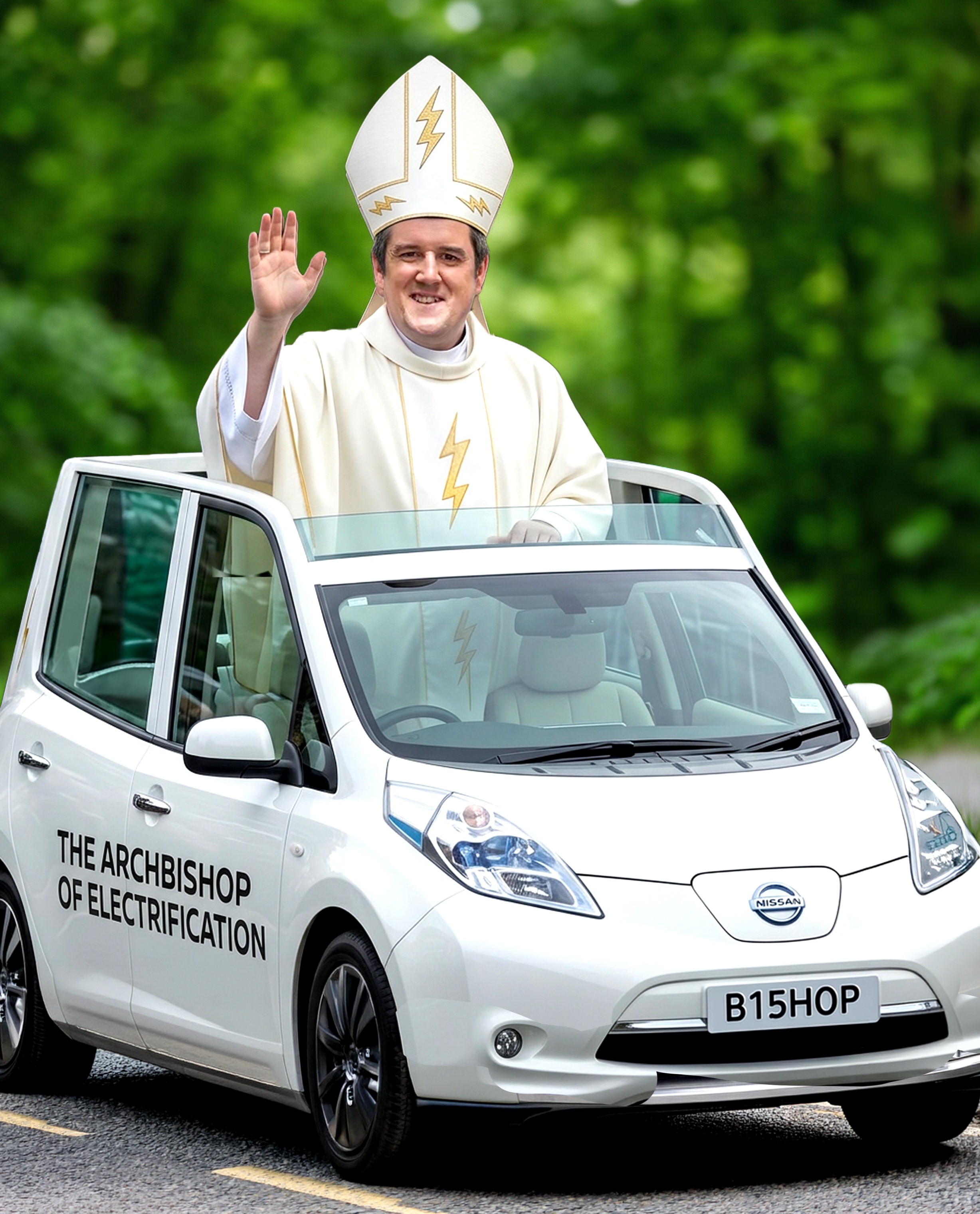

"We could put the foot down, or shoot ourselves in the foot". That was Mike Casey's summary of the quite daft proposal to get rid the Clean Car Standard. Fortunately, Transport Minister Chris Bishop has announced it will be staying. That means there's still a chance we could bestow the honourable title of Archbishop of Electrification upon the Minister if he puts the foot down on EV policy!
As he told the Herald: “In feedback on the review, industry noted that the Standard is now well established in New Zealand, with importers accumulating credits and charges over time. Removing it at this stage would be highly disruptive for the vehicle industry. The Government has therefore decided to retain a standard and progress work to calibrate the settings so they are realistic and achievable for industry.”
The demand for EVs is growing rapidly and sales data for June showed full EVs made up over 20% of all new car sales, an increase of over 150% on the same time last year.
“If we hope to meet our growing demand, we need to maintain the confidence of these manufacturers with stable policy settings. New Zealand is currently getting a good supply of electric vehicles, but we can’t take that for granted. Many of the brands are struggling to keep up with demand as it is. If supply is curtailed because our standards are weakened, that will be a wasted opportunity to reduce our reliance on expensive imported energy and help New Zealanders save over time.”
Some vehicle importers and legacy brands have raised the issue of ‘affordability’ to enable them to continue to import inefficient vehicles.
“It’s a false economy,” says Casey. “Their argument is that these inefficient vehicles cost less upfront, but they will cost New Zealanders much more over the vehicle’s lifetime. Instead of allowing old technology in, we should be working on ways to help more New Zealanders access newer technology and that often comes down to better finance schemes.”
An ex-coal man embraces the sun; another New Zealand record is broken as two new solar farms come on stream; a new long range electric bus launches with cheap fares between Oamaru and Dunedin (and it wouldn't be economical with diesel); Ed Conway on how diesel is being used as a geopolitical weapon (and how our Powered From Within plan to electrify critical assets would reduce our reliance on fuel); will we be using cords to charge our cars in the future?; and oil is good (for salad).
Read moreDownloadCould solar panels and electric vehicles help New Zealand households save thousands on energy? Rewiring Aotearoa’s Mike Casey joins The Front Page to explain the potential savings from electrification, the upfront costs stopping people from making the switch, and how cheaper finance could help. Plus, would breaking up the big power companies lower bills, does New Zealand need an LNG terminal, and could we one day buy electricity directly from our neighbours?
Read moreDownloadA collection of our most influential leaders joined the NZ Herald's Future of New Zealand Debate, including Contact Energy CEO Mike Fuge and Rewiring Aotearoa CEO Mike Casey.
Read moreDownload