Don't listen to Old Man Gas. Ditch LNG. Support New Zealand-made energy!

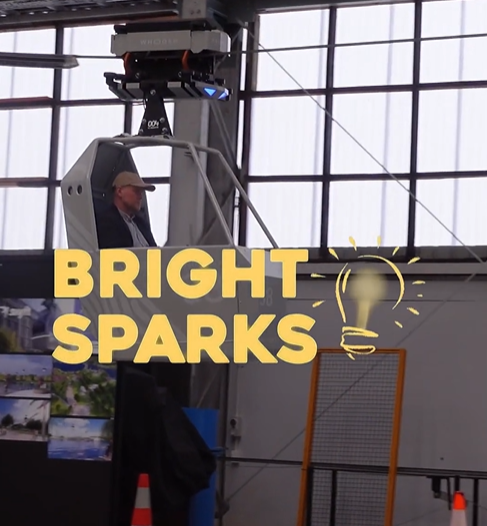

Queenstown's roads are regularly clogged and, as the region continues to grow, that's only going to get worse. But Whoosh thinks the solution could be right above our heads.
Whoosh, which has been developed by Christchurch engineering company Holmes Solutions, uses a fixed metal guideway for its cablecars rather than ropes and that means they have the unique ability to go around corners.
The autonomous electric pods are self-powered with batteries on board and they use a lot less energy than a vehicle.
There can also be lots of pods, one after the other, with control systems in each one and sensors on the track to keep them at a safe distance. Users will be able to choose their destination and bypass different stations along the way.
Whoosh’s first real-world pilot project just got the green light and is scheduled to kick off in the Remarkables Park in Frankton, but it's hoped the network will eventually extend all the way into Queenstown and further around the region. With plenty of overseas interest in the technology, Whoosh's network might eventually extend around the world.
There is a different but complementary proposal for a bigger gondola system that should further reduce the need for cars and take pressure off the roads in the region, so, when it comes to transport, things might be looking up down south.
Political Power has gone local! Dr Nick Smith, mayor of Nelson and ex-National Party minister, is an early adopter when it comes to electric machines but, through his efforts with the council and his close involvement with the Ratepayer Assistance Scheme, he's also embracing one of Rewiring's core mantras: once you've electrified your own life, electrify someone else's life, too.
Read moreDownloadWhether it's the growing number of electric buses, new electric trains for the lower North Island and City Rail Link, or new electric ferries, we love seeing more electric transport options in our big cities. It's also good to see some of our smaller cities like Palmerston North, Timaru and Nelson going electric and, as is almost always the case, the drivers reckon it's better on electrons. At the Electrify Nelson expo, we spoke with one driver Lee about the city's electric buses. And he definitely wouldn't go back to diesel.
Read moreDownload