Don't listen to Old Man Gas. Ditch LNG. Support New Zealand-made energy!

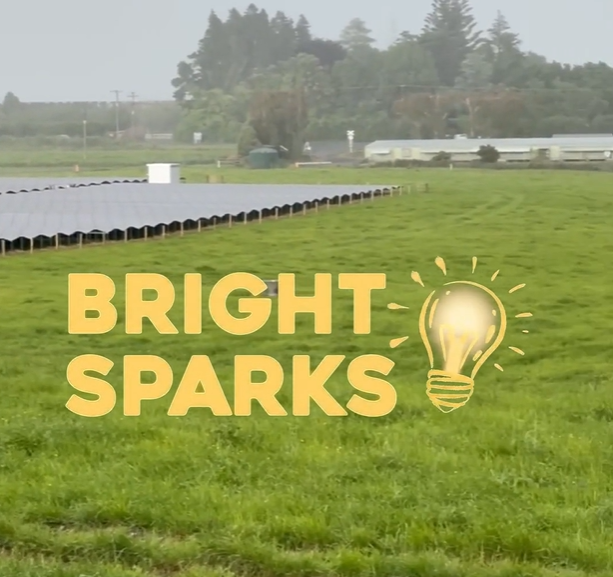

We've seen electric cherries and electric chickens. How about electric piggies? CJ and Tim Lepper run a pig farm in Taranaki and, like a growing number of clever rural folk, they realised that solar was a slam dunk for their business.
Working with FarmGen, it installed a 1.8 megawatt system at a cost of around $1.5 million and CJ says that investment could be paid off in as little as five years.
Solar can slash bills for farmers overnight because it allows them to avoid high grid electricity costs but, with plenty of space for bigger systems, export revenue can also be significant. For them, selling a year’s worth of energy to the market at normal prices could bring in $200-250,000 each year.
It’s not just the solar that’s smart, either. The Leppers also have a system to turn the manure from 3,500 pigs into fertiliser and biogas. The biogas is sent to a 40kW generator that heats water to keep the piglets warm and Tim says it takes care of around 30% of the electricity bill.
While biogas can make sense on some farms because there’s an opportunity to turn waste into revenue, it is not a viable substitute for the gas network as there’s so little of it available and it’s more expensive than standard gas.
Political Power has gone local! Dr Nick Smith, mayor of Nelson and ex-National Party minister, is an early adopter when it comes to electric machines but, through his efforts with the council and his close involvement with the Ratepayer Assistance Scheme, he's also embracing one of Rewiring's core mantras: once you've electrified your own life, electrify someone else's life, too.
Read moreDownloadWhether it's the growing number of electric buses, new electric trains for the lower North Island and City Rail Link, or new electric ferries, we love seeing more electric transport options in our big cities. It's also good to see some of our smaller cities like Palmerston North, Timaru and Nelson going electric and, as is almost always the case, the drivers reckon it's better on electrons. At the Electrify Nelson expo, we spoke with one driver Lee about the city's electric buses. And he definitely wouldn't go back to diesel.
Read moreDownload