Don't listen to Old Man Gas. Ditch LNG. Support New Zealand-made energy!

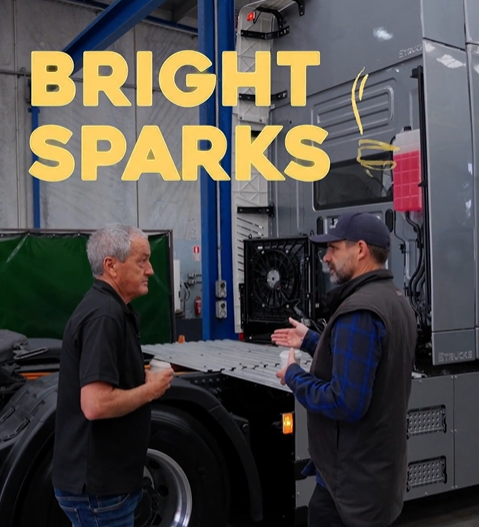

Talk about driving change!ETrucks' Ross Linton is at the forefront of New Zealand's nascent electric trucking scene and can claim responsibility for a number of firsts, from the country's first electric concrete truck to the country's first battery swap set up. Since he brought his first electric truck in to the country back in 2018, the technology has advanced massively and driving on electrons has become quite a bit cheaper than diesel and, not surprisingly, that's inspiring a great deal of interest among businesses.
Per kilometre, he says the long haul Windrose electric truck, which he brought into the country for the first time last year and can travel around 600km fully loaded on one charge, costs around $1.20 per kilometre. A diesel truck costs around $2 per kilometre. If you're in the transport business, that's a big difference and a major productivity opportunity. And if you're in the business of reducing emissions, it's also a big difference.
Some businesses have been willing to go electric early and pay an environmental or early adopter premium, but that's no longer required. It's now just good business, and that's why everything from massive mining companies to public transport providers are increasingly choosing to invest in battery powered machinery.
When the economics stack up - and they are likely to when you look at the long-term costs, rather than the sticker price - that's when things start to change. But social proof is still important when it comes to increasing adoption of new technologies and we often need examples to create confidence. Linton and his team deserve credit for taking the risk, leading the way and providing machines that can do the job for less, provide a better experience for drivers and don't pump out toxic fumes.
Political Power has gone local! Dr Nick Smith, mayor of Nelson and ex-National Party minister, is an early adopter when it comes to electric machines but, through his efforts with the council and his close involvement with the Ratepayer Assistance Scheme, he's also embracing one of Rewiring's core mantras: once you've electrified your own life, electrify someone else's life, too.
Read moreDownloadWhether it's the growing number of electric buses, new electric trains for the lower North Island and City Rail Link, or new electric ferries, we love seeing more electric transport options in our big cities. It's also good to see some of our smaller cities like Palmerston North, Timaru and Nelson going electric and, as is almost always the case, the drivers reckon it's better on electrons. At the Electrify Nelson expo, we spoke with one driver Lee about the city's electric buses. And he definitely wouldn't go back to diesel.
Read moreDownload