Don't listen to Old Man Gas. Ditch LNG. Support New Zealand-made energy!

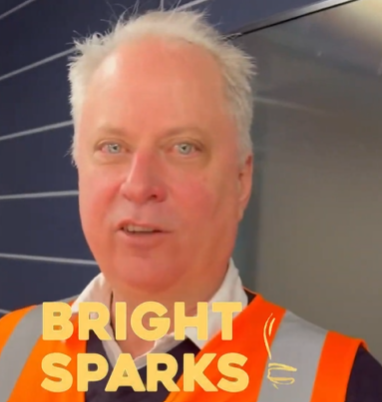

"Don't wait. Start small, but get into it." Evan Maehl, CEO of Waste Management NZ, certainly hasn't waited when it comes to electrification.

Evan Maehl, CEO of Waste Management NZ, certainly hasn't waited.
The company was an early adopter of electric rubbish trucks, first getting them retrofitted overseas, then retrofitting them its own workshop.
Last year, with over 50 electric rubbish trucks in its fleet, it celebrated reaching the two million electric kilometre mark and, as the shift to electric has gathered pace, the are now able to buy electric trucks directly from manufacturers like Volvo.
In addition to the emissions savings, they're much cheaper to run than diesel trucks (and those savings help offset the higher upfront costs), the drivers (and residents) like them because they're quieter and smoother, and the waste they collect can even be turned into electricity that can charge the trucks the next day.
Sounds pretty bright to us.
Political Power has gone local! Dr Nick Smith, mayor of Nelson and ex-National Party minister, is an early adopter when it comes to electric machines but, through his efforts with the council and his close involvement with the Ratepayer Assistance Scheme, he's also embracing one of Rewiring's core mantras: once you've electrified your own life, electrify someone else's life, too.
Read moreDownloadWhether it's the growing number of electric buses, new electric trains for the lower North Island and City Rail Link, or new electric ferries, we love seeing more electric transport options in our big cities. It's also good to see some of our smaller cities like Palmerston North, Timaru and Nelson going electric and, as is almost always the case, the drivers reckon it's better on electrons. At the Electrify Nelson expo, we spoke with one driver Lee about the city's electric buses. And he definitely wouldn't go back to diesel.
Read moreDownload