Don't listen to Old Man Gas. Ditch LNG. Support New Zealand-made energy!

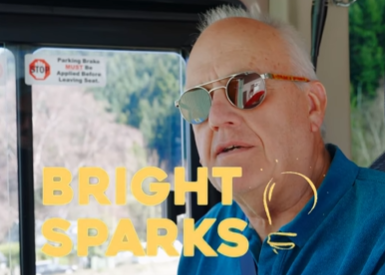

David Gatward-Ferguson realised early that electric vehicles were a good fit for his tour business, Nomad Safaris.
David Gatward-Ferguson realised early that electric vehicles were a good fit for his tour business, Nomad Safaris.
He initially invested in a 4WD Tesa Model-X and took it out on the tough trails of Central Otago. The performance was great and the maintenance costs were much lower than his other vehicles.
Then, with the help of EECA, he invested in a 24 seater electric bus, which is largely used to transport customers doing the Routeburn to and from Queenstown and Glenorchy.
As he says, if you're heading into the great New Zealand outdoors, a loud, smelly diesel bus is pretty contradictory. And from a business perspective, diesel buses are also more expensive to operate.
Going early on any technology comes with risks, but people like Gatward-Ferguson are crucial to prove that it's possible and profitable and he's no doubt inspired many other operators in the Central Otago region to follow suit and upgrade their vehicles to electric.
Political Power has gone local! Dr Nick Smith, mayor of Nelson and ex-National Party minister, is an early adopter when it comes to electric machines but, through his efforts with the council and his close involvement with the Ratepayer Assistance Scheme, he's also embracing one of Rewiring's core mantras: once you've electrified your own life, electrify someone else's life, too.
Read moreDownloadWhether it's the growing number of electric buses, new electric trains for the lower North Island and City Rail Link, or new electric ferries, we love seeing more electric transport options in our big cities. It's also good to see some of our smaller cities like Palmerston North, Timaru and Nelson going electric and, as is almost always the case, the drivers reckon it's better on electrons. At the Electrify Nelson expo, we spoke with one driver Lee about the city's electric buses. And he definitely wouldn't go back to diesel.
Read moreDownload