Operation Laser Kiwi: help us take New Zealand-made energy on the road

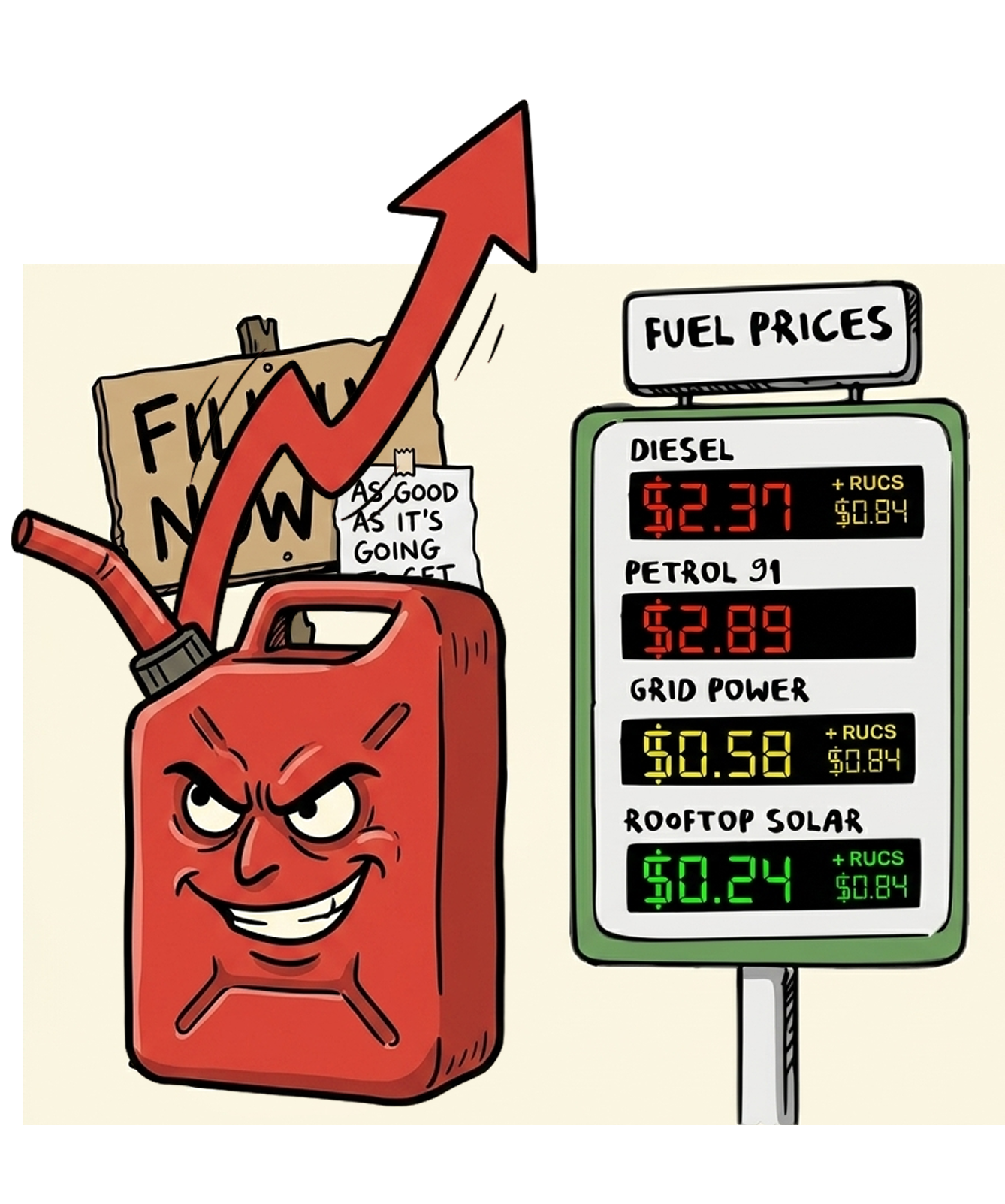

Last week, Labour ruled out imposing the planned increases in fuel excise tax and Road User Charges over the next three years and, today, National has also said it will delay imposing them until 2028. It’s all being done in the name of cost-of-living relief, but it’s important to make the distinction between short-term relief and enduring, structural relief. Right now it's all about the short-term.
Some of the support for those struggling with high fuel prices is necessary (and temporary), but we can't keep applying expensive band-aids without a plan to eventually get off the imported energy hamster wheel.
Subsidising fuel as prices skyrocket is a false economy. We need to actually deliver real long-term savings and increase our energy security ahead of the next fuel shock by running more of the economy on New Zealand-made energy. And the question is not whether another disruption will come, it is whether we will have acted before it does.
These shocks are hugely damaging to the economy and petrol prices were the primary cause of our high inflation numbers. We already pay some of the highest prices in the world for fuel, and we have paid billions more on petrol and diesel since March when the conflict kicked off.
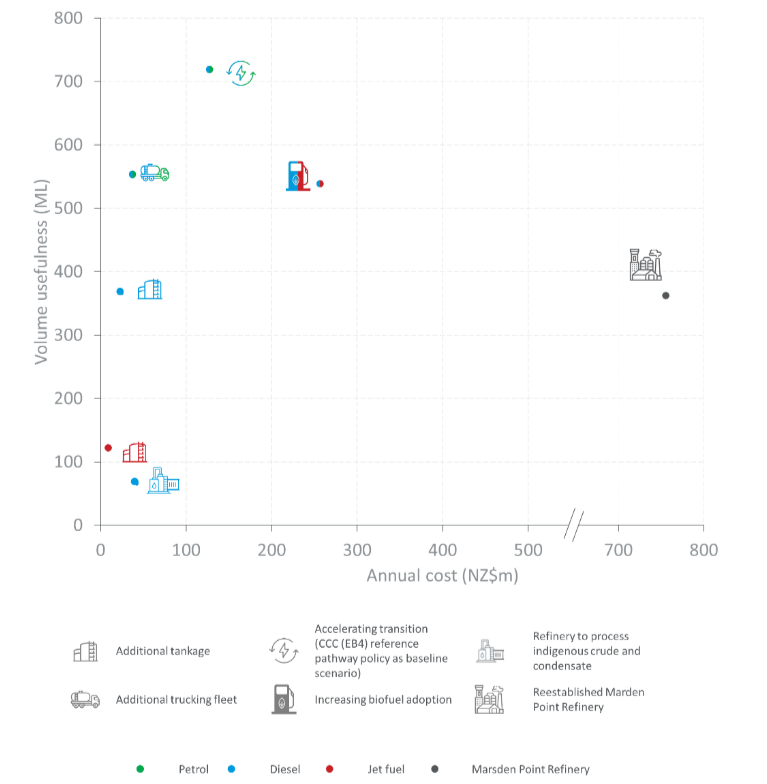
The Government’s own research from 2024 showed that electrification is the most effective approach if we hope to increase fuel security, so this is clearly in the country's best economic and environmental interests and it's clear we cannot just keep hoping for cheaper fuel, we need to use less of it.
Our roads need to be maintained and upgraded - that’s what the fuel excise tax is designed for. Pausing these increases leaves an even bigger hole in road funding, on top of a revenue base that was already shrinking. The proposed change to universal RUCs will help by closing a loophole for fuel efficient vehicles, which use less fuel and therefore pay less for the roads they use.
Universal RUCS bring in revenue based on distance travelled, not fuel burned, so road funding doesn't depend on whether raising petrol prices is politically convenient in a given year. The sooner we make that shift, the sooner road maintenance funding stops being held hostage to short-term political calls.
Electric vehicles help businesses and households reduce costs, and there are huge benefits for our economy. We know fuel costs will continue to rise, and that disruptions to supply will happen again. We need to start preparing now, with policies that help people manage the upfront cost of EVs, rather than waiting for fuel to get painful enough to force the decision.
We’re still waiting on EV policy from the major parties, but we’re advocating for accelerated depreciation on EVs, further changes to Fringe Benefit Tax, and support for the EV Salary Boost Scheme, which would allow New Zealanders to lease a new or second-hand EV using pre-tax income at a lower cost than buying an equivalent petrol or diesel vehicle.
There is also scope for income-tied discounts on EVs to speed up adoption rates. The Clean Car Discount has been used by the Government as an example of wasteful spending; the ‘it only helped millionaires in Remuera buy Teslas’ jibe. The subsidy could have been designed better and those who were punished didn’t have good pure electric options at the time, such as utes. But things have changed a lot in the three years since it finished and incentives that offer a long-term solution to cost of living and fuel security should be reconsidered.
Every year the excise increases stay paused and universal RUCs stay on the drawing board is another year of road funding running on empty, and another year of New Zealanders stuck paying more at the pump for less security. We need to keep the excise tax on schedule, get universal RUCs in place, and back people with incentives to make the switch. Anything less is just kicking the can down an increasingly expensive road.
People installing solar power systems with batteries on their homes, hoping to avoid the disruption of a power cut, are being told to check with the installer that the battery can provide that protection.
Read moreDownloadKiwis are catching on to the benefits of solar panels - and demand's spiking ... But the industry warns we need about six thousand more trained electricians - across the country - to do the work. Rewiring Aotearoa Chief Executive, Mike Casey told Heather du Plessis-Allan he hopes interest will continue over time. He says oil shortages because of the Iran war is keeping demand high - with energy prices climbing. He says solar is the one reprieve Kiwis get.
Roger Robson-Williams owns 20% of New Zealand's electric tractor fleet. That sounds impressive, until you learn there are only five of them. But, like his fellow electric tractor enthusiast Mike Casey, he's on a mission to change that by providing a bit of inspiration and information.
Read moreDownload