Operation Laser Kiwi: help us take New Zealand-made energy on the road


The only way is up for solar as New Zealand hits 1GW (but the powers that be still keep underestimating its appeal, as they have done consistently and almost comically around the world); the only way is down for bills in electric homes, as the Eye Surgery in Hastings and financial commentator Frances Cook explain; veteran environmentalist Bill McKibben talks to Ezra Klein about the economic forces pushing the world towards solar - and what's slowing it down; Pitcairn Island ditches the diesel, while the Vatican aims to get all its energy from heaven, rather than hell; and can you run an off-grid workshop with old vape batteries?

The only way is up
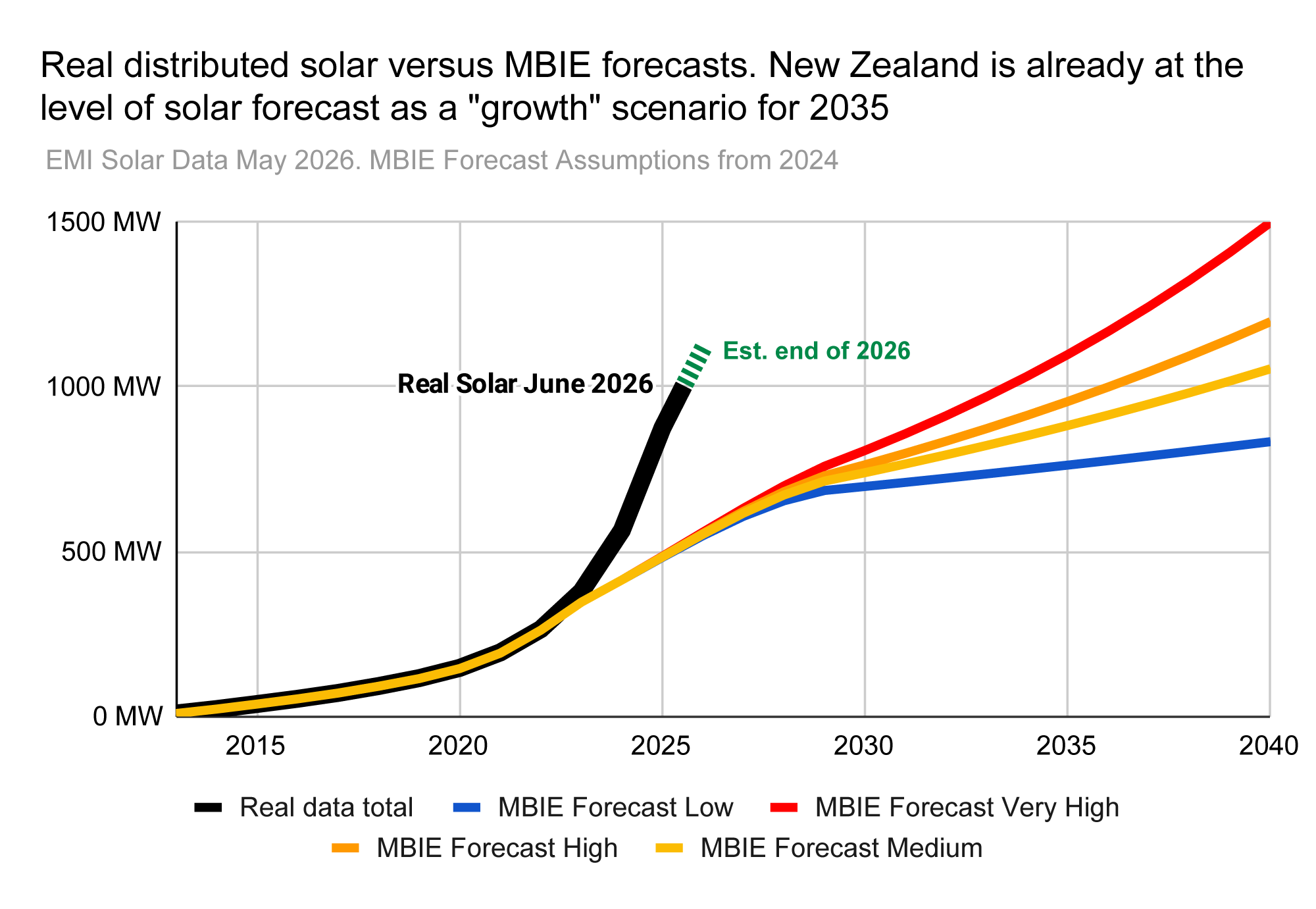
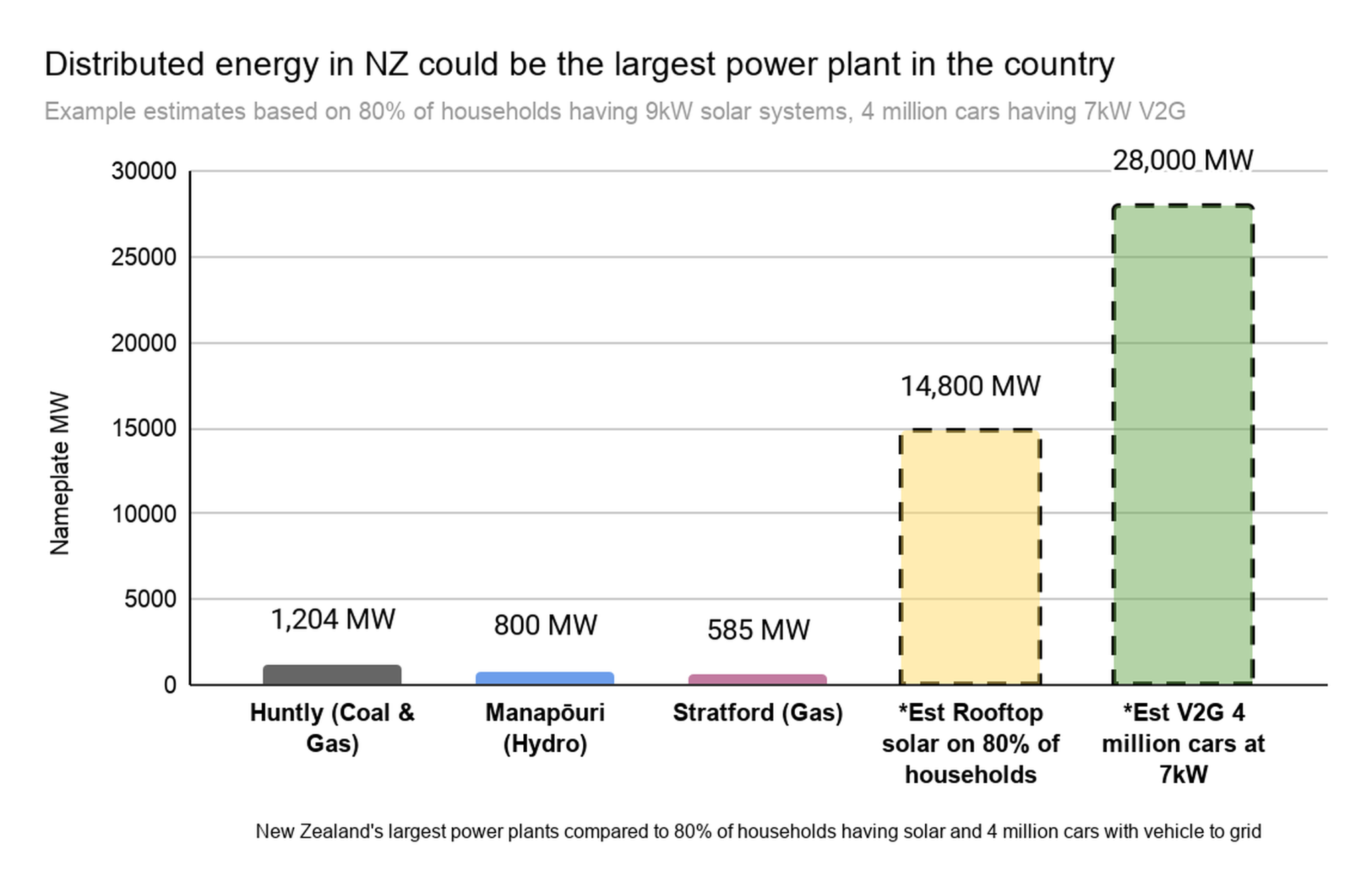
According to the Electricity Authority, New Zealand has just tipped over 1GW of solar and we’re always keen to celebrate an arbitrary milestone at Rewiring. For context, Huntly’s power stations combined are around 1.2GW (although solar doesn’t have the same capacity). This data includes solar farms but rooftop solar is also playing a starring role and accounts for around half of that number.

As we have seen around the world, predictions about how fast we’d get there have been way off.
.png)
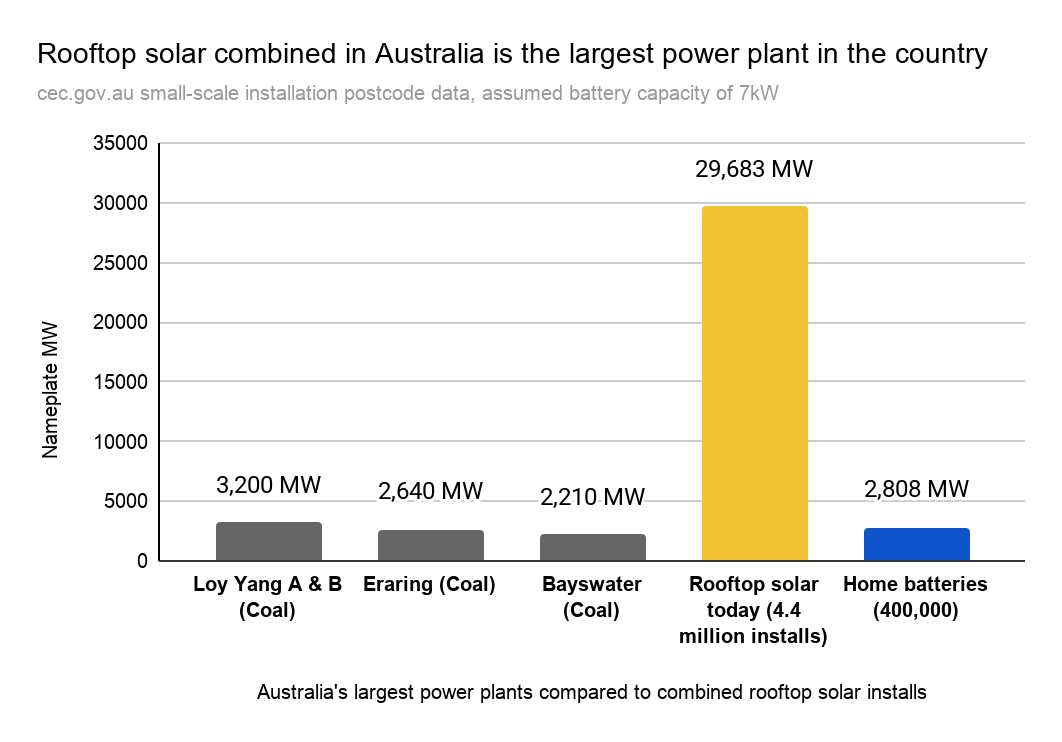
Soon enough, rooftop solar will the the largest power plant in the country, as it already is in Australia, and our cars will be moving storage devices. We need to ensure the regulations keep up with the technology so that we can all benefit from this inevitable future.
Batteries basically allow us to bottle the weather, and as energy expert Jan Rosenow shows, they’re increasingly doing the business at peak times.
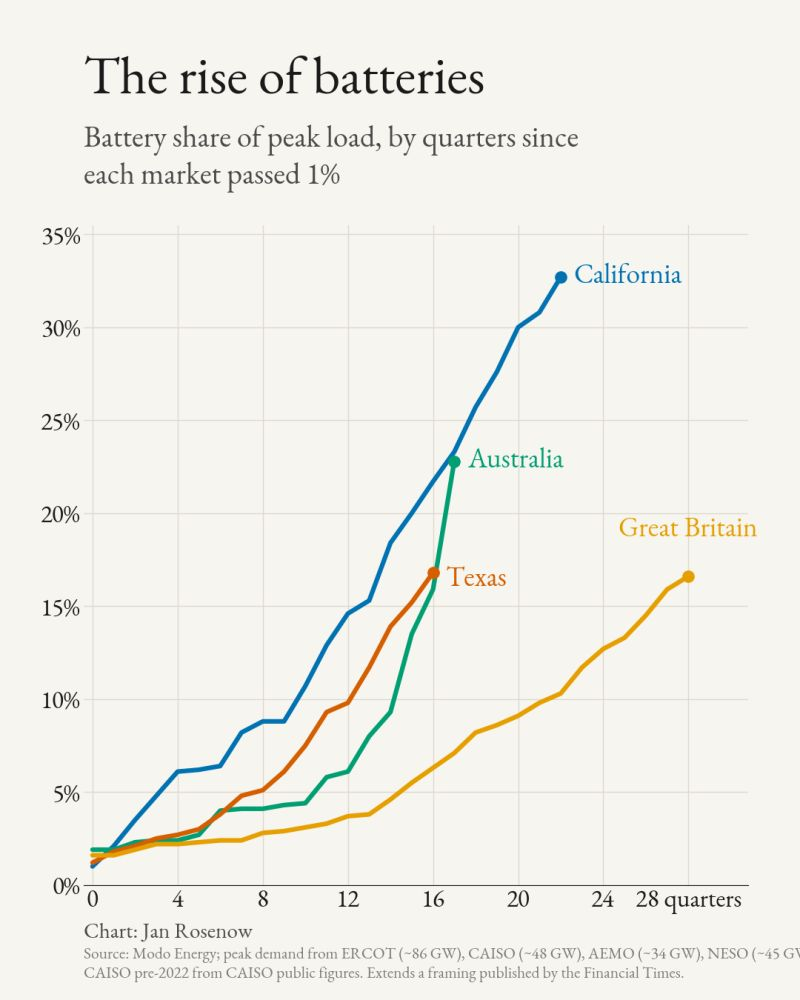
What California, Texas and Australia show is that once batteries become cheap enough and the market rewards flexibility, deployment compounds rather than growing linearly. In the leading markets batteries now cover a third of peak demand, which would have sounded implausible five years ago. Other markets will follow this curve. The open question is how quickly.
The only way is down
At a time when complaints about energy prices are on the rise, those who have taken things into their own hands, like the Eye Surgery in Hastings, are feeling pretty happy with their decision.
As this RNZ story shows, the business “has not spent a dollar on power this year”.
Run by Dr Sophie and Dr Alex Buller, ex-pats from the UK, the surgery sees more than 200 patients and performs about 24 cataract surgeries each week. They moved into their current site in 2018, and installed the solar panels - a 45-kilowatt system made up of more than 120 panels - a few years later. Then, following Cyclone Gabrielle in 2023 February, they added a series of large batteries to make sure they could function for days without pulling from the grid, and without sunshine.
While they may not be paying for power right now, they did have to pay for their power upfront, but as our research shows, that’s the cheapest delivered electricity available to New Zealanders and new loan schemes announced by both major parties and the greens will help more people get past the upfront cost and start saving.
Our research focuses on the savings available to the average home, but every home is different. That’s why we love hearing stories about the electric savings different New ZealandersIt’s even better when we hear stories from influential New Zealanders who are focused on finance, like Frances Cook.
“18 months ago, I spent $89,000 on home solar and an electric car. I told you about it, and was flooded with questions on how this could work for other people.”
These stories all help with the neighbourhood effect and speeds adoption rates up.
'The Costco era of Clean Energy
We often say that buying solar is like buying your electricity in bulk right upfront as it will generate for a few decades. Like many new technologies, the efficiency of solar panels has improved tremendously while the price has dropped, and the cheapest way to generate electricity is, as Bill McKibben tells Ezra Klein, to point a piece of glass at the sun.
“Advances in clean energy technology mean it is now possible to build a world of energy abundance that was the stuff of dreams just a few years ago. That means a new kind of climate politics is possible — one that doesn’t just talk about sacrifice and disaster prevention but also can present decarbonization as a path to somewhere better, where everyone has more, not less.”
It's a great interview about the economic forces pushing the world towards renewable abundance and the innovation that's being unlocked (from free electricity in Australia in the middle of the day, to magnesium smelters able to run on cheap energy). But it also shows what's holding it back.
Ditching the diesel
More and more island nations are recognising that relying on diesel generators is a fool’s game. Pitcairn Island produces 80% of its electricity with a solar farm, which was funded by the European Union.
The Vatican - which is basically a landlocked island - is also aiming to become the first city-state to be entirely solar-powered after agreeing to build a 1,000-acre agrivoltaics set-up.
This initiative aims to provide the Vatican City State with renewable energy while preserving agricultural use of the land. The Vatican’s extraterritorial area of Santa Maria di Galeria has hosted Vatican Radio’s transmission facilities since 1957.
Back in 2024, The Vatican also unveiled a solar roof to provide electricity to its museum, which was part of Pope Francis' 'Brother Sun' initiative.
As Bill McKibben said, now there's a good opportunity for the new Pope to say they will be getting all their energy from heaven, not from hell.
Where there’s smoke, there’s storage
An electric world is a more circular world. Fewer materials are needed and many of these materials can be re-used or recycled. But collecting batteries from old vapes to run a car and store energy from solar panels to run a woekshop is certainly taking things up a notch.
People installing solar power systems with batteries on their homes, hoping to avoid the disruption of a power cut, are being told to check with the installer that the battery can provide that protection.
Read moreDownloadKiwis are catching on to the benefits of solar panels - and demand's spiking ... But the industry warns we need about six thousand more trained electricians - across the country - to do the work. Rewiring Aotearoa Chief Executive, Mike Casey told Heather du Plessis-Allan he hopes interest will continue over time. He says oil shortages because of the Iran war is keeping demand high - with energy prices climbing. He says solar is the one reprieve Kiwis get.
Roger Robson-Williams owns 20% of New Zealand's electric tractor fleet. That sounds impressive, until you learn there are only five of them. But, like his fellow electric tractor enthusiast Mike Casey, he's on a mission to change that by providing a bit of inspiration and information.
Read moreDownload