Don't listen to Old Man Gas. Ditch LNG. Support New Zealand-made energy!

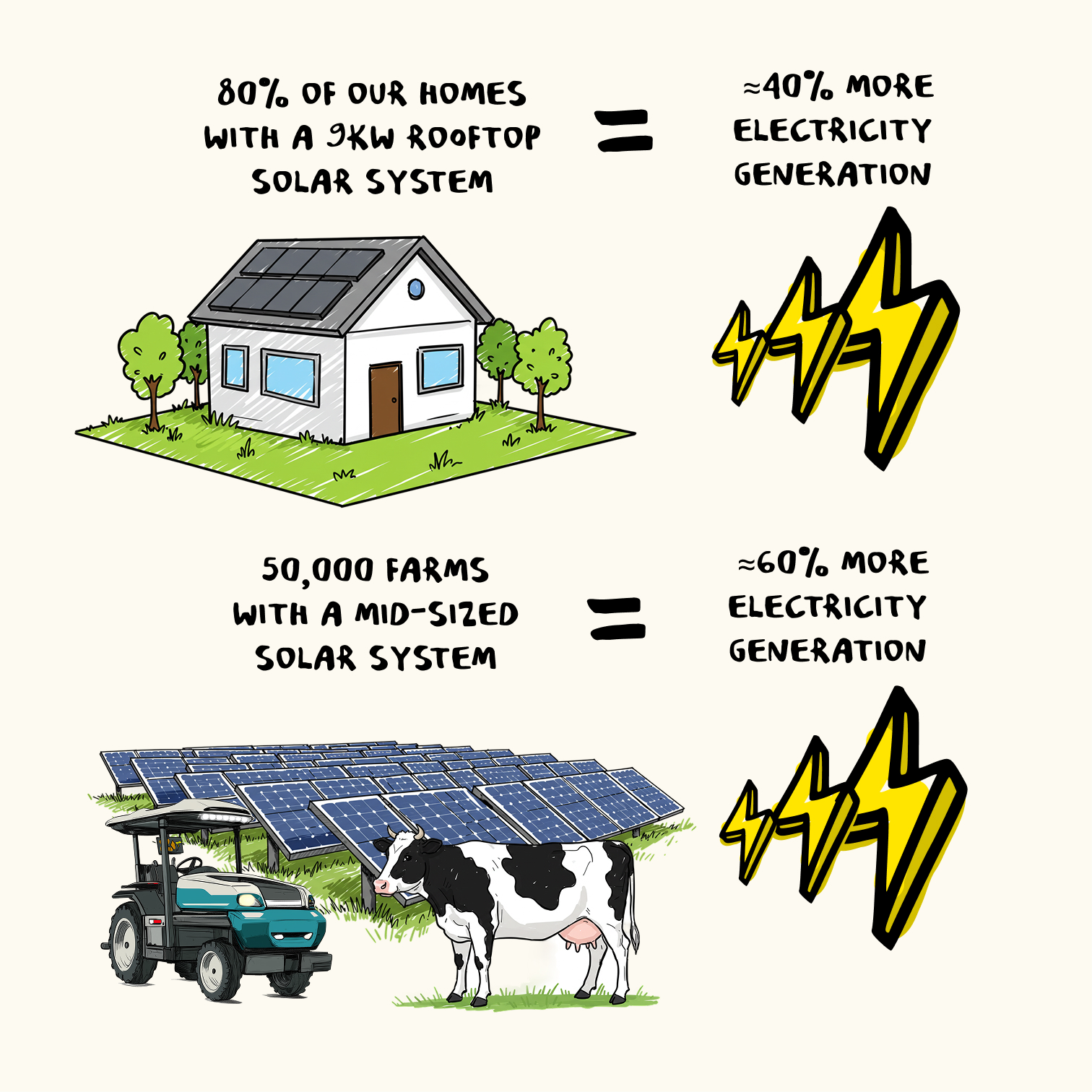

We’re in favour of anything that speeds up solar adoption (it’s the cheapest electricity households can get, it will help generate the extra electricity we need, and it can help replace fossil fuels in the energy system), so it was good to see another positive signal from the Government yesterday. As part of a proposed range of tax changes, income tax won’t be charged on any money gained from exporting solar from residential systems.
This certainly wasn’t something stopping people from investing in solar and, for most, it was balanced out on the electricity bill. As RNZ reported, “Inland Revenue thinks tax compliance among people with solar power systems is low, perhaps because they are not aware the income should be taxable.”
It’s good to see the Government removing all sorts of potential barriers and disincentives (including issues like this that didn’t seem to be much of a problem yet) and making changes to incentivise bigger systems (like changing voltage ranges to allow for higher export limits), but there are a few other things that need to be changed if we really want to get things cranking.
The real barriers to adoption are things like a lack of access to long-term, low-interest finance and the fact that install prices here in New Zealand are around twice what they are in Australia due to excessive red tape.
If the Government really wanted to supercharge the rollout of larger solar and battery systems, we would love for this exemption to be applied to farms and commercial buildings under a certain size because exports can be a significant revenue stream and that could have a major impact on the books - and have a pretty big impact on the country’s energy system.
Political Power has gone local! Dr Nick Smith, mayor of Nelson and ex-National Party minister, is an early adopter when it comes to electric machines but, through his efforts with the council and his close involvement with the Ratepayer Assistance Scheme, he's also embracing one of Rewiring's core mantras: once you've electrified your own life, electrify someone else's life, too.
Read moreDownload