Don't listen to Old Man Gas. Ditch LNG. Support New Zealand-made energy!


Lowest prices are just the beginning this week as Bunnings gets into the solar and battery game in a big way in Australia with plans for a zero-dollar upfront deal; Port Nelson has electric lift off with its new crane and a new solar powered hybrid cargo ship is launched; Inductive Robotics wants to bring chargers to the cars, rather than the other way around; a new campaign suggests that South Australians are revolting and loving it; and Johnny Solar releases a beautiful version of The Kinks' Lola.

Lowest prices are just the beginning
It has never been cheaper to generate and store electricity - and it's getting cheaper. But lots of people can’t get past the high upfront costs of electric machines and solar and batteries - even though it will save them money in the long run.
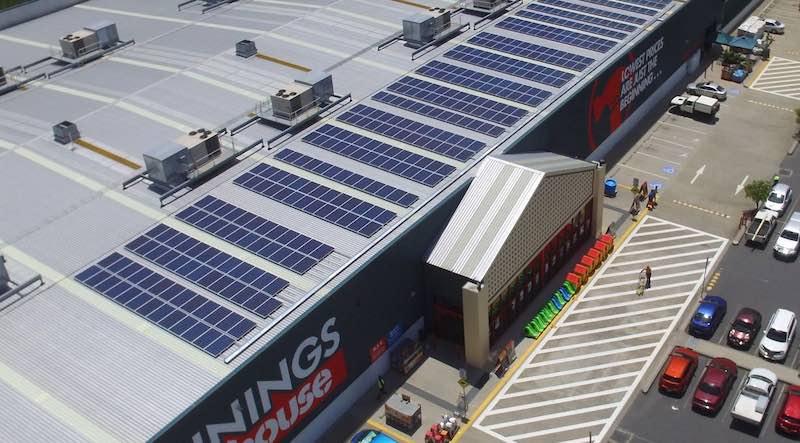
Offering access to long-term, low-interest finance so more New Zealanders (including landlords) can go electric and benefit from cheap solar is likely to make the biggest difference to energy bills and we’re working hard on that in New Zealand. But there are plenty of other options popping up in the private sector and in Australia, one of the big ones is Bunnings, which is launching "a zero up-front installation cost offer to Australian households, along with plans to become a dominant player in the booming sector."
The move by Bunnings comes just weeks after the opening of the federal government’s home battery rebate scheme [which offers 30% off the upfront cost], and follows its own decision to target the home energy market, and begin selling EV home charging products in its stores. The home battery market is booming in Australia, thanks to the newly launched federal government rebate, and battery installations have already overtaken the number of rooftop solar installations in the race to retrofit.
An article in The Guardian says the surge in household battery installations in Australia is ‘off the charts’ and 'at the current rate, households could have 10,000MW installed in five years – half the nation’s total coal power capacity".
Let’s hope Bunnings (and other retailers) sees an opportunity to launch this in New Zealand, too.
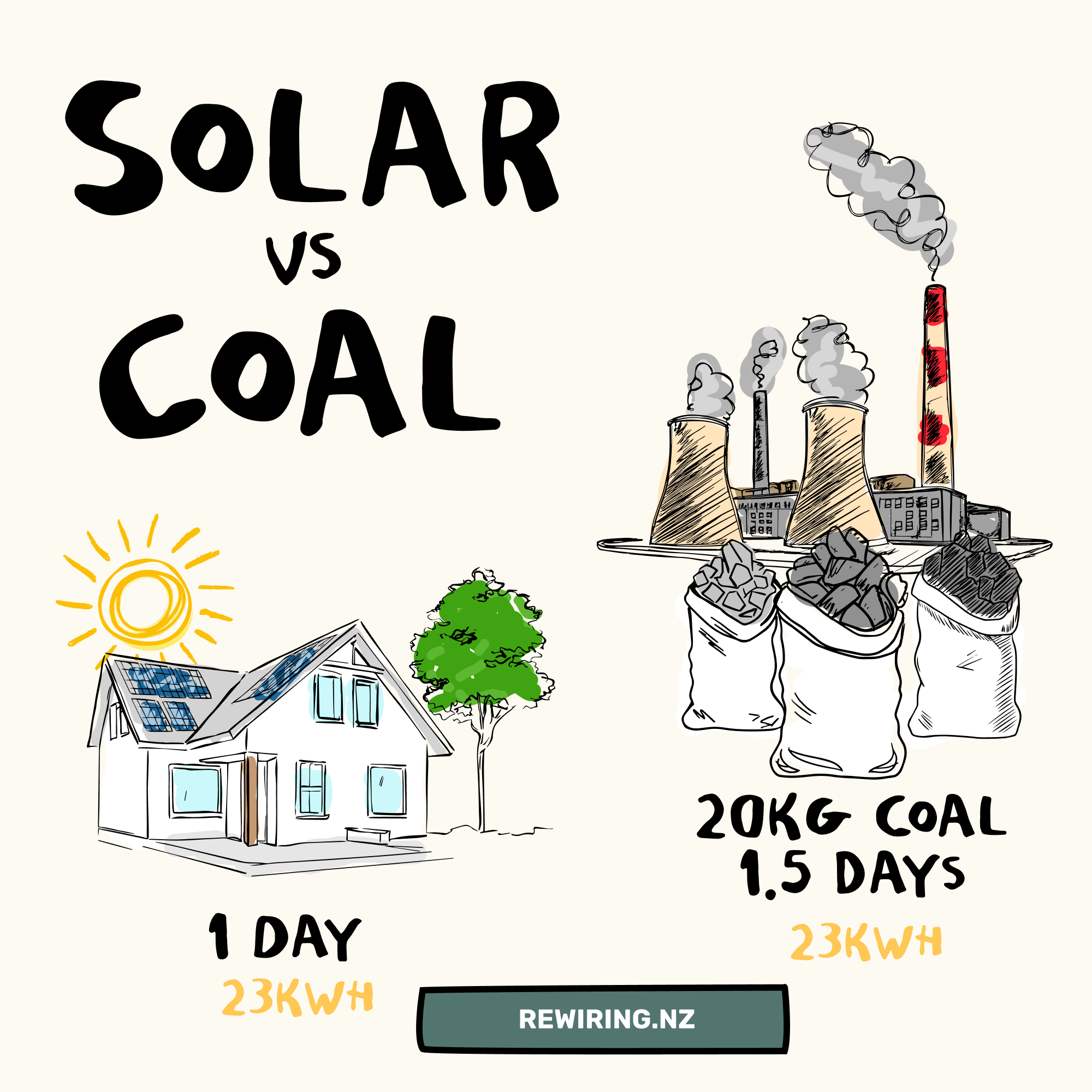
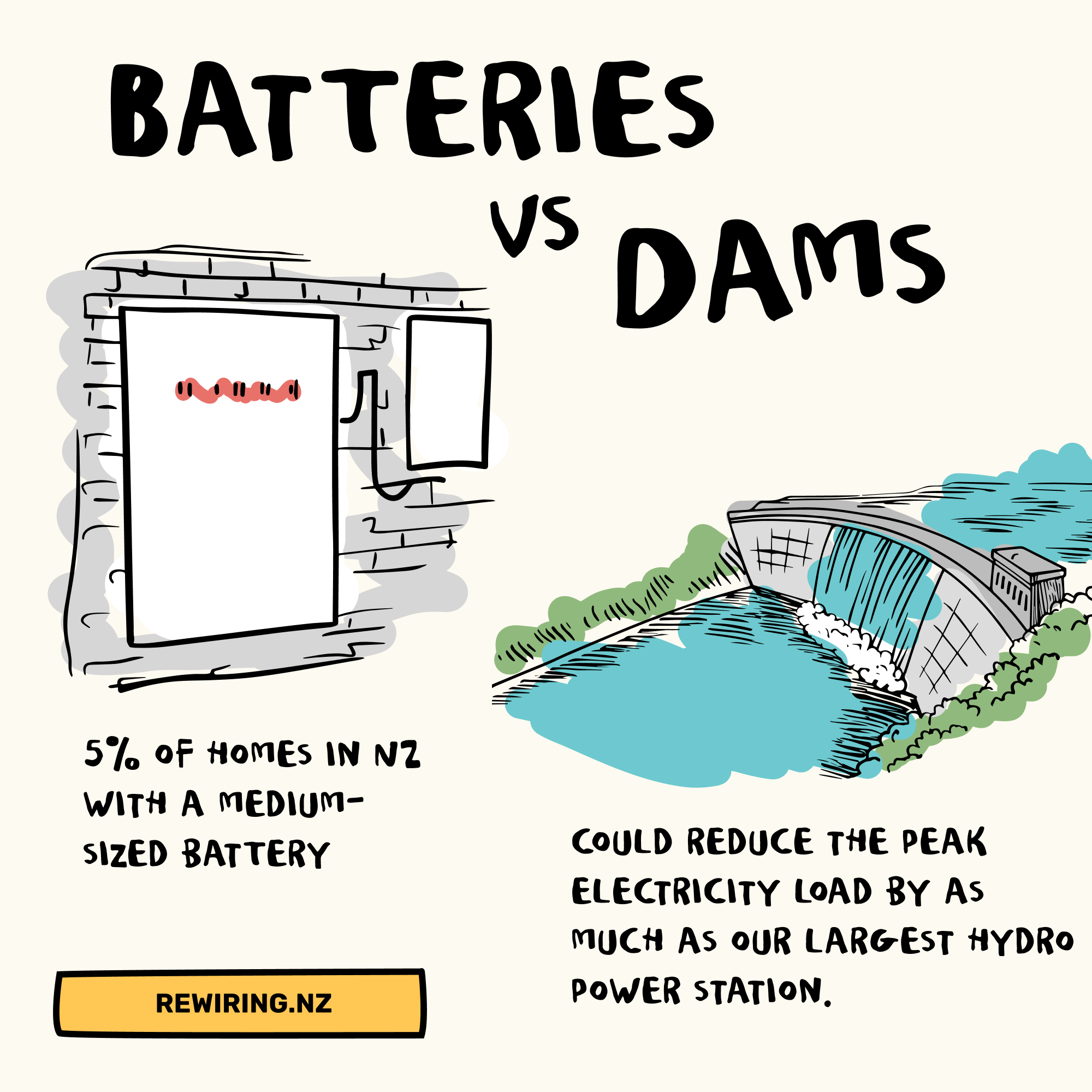
And let's hope our Government recognises that solar and batteries are a very real substitute for coal and gas when it comes to electricity generation, especially considering New Zealand already has a big battery in the form of its hydro lakes that we can keep topped up with solar.
A big lift
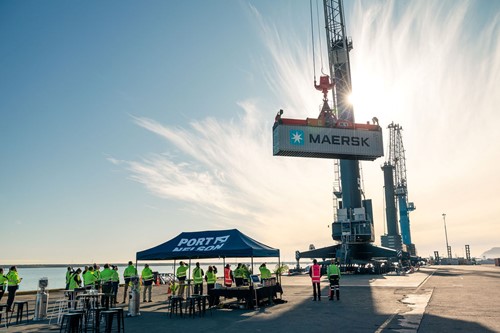
Our Machine Count project sent us on a wild ride to find all the weird and wonderful machines in New Zealandf. The smaller ones are the easiest to electrify but there are a growing number of electric options at the big end of town and they don’t get much bigger than port cranes. So it’s great to see that “New Zealand’s first electric dual-drive mobile harbour crane has been commissioned at Port Nelson".
As Stuff reported:
The crane was bought as part of a $17 million project to electrify some port operations which also saw one of its existing diesel cranes retrofitted to run on electricity as well. “[It’s] a really significant milestone for us in terms of our decarbonisation journey, but in terms of leadership in the industry as well,” said Port Nelson chief executive Matt McDonald at the crane’s commissioning ceremony.
Cranes contribute around 22% of the port’s Scope 1 emissions. The new crane – an LHM600E crane, or Liebherr harbour mobile 600-tonne electric crane in full – can switch between electric and diesel modes but was expected to operate on electric power up to 85% of the time.
If we can get a few more solar powered cargo ships, like this hybrid number that was just launched in The Netherlands and is designed for use in inland canals, we'll beable to bring those shipping emissions down even further.
Delivered energy
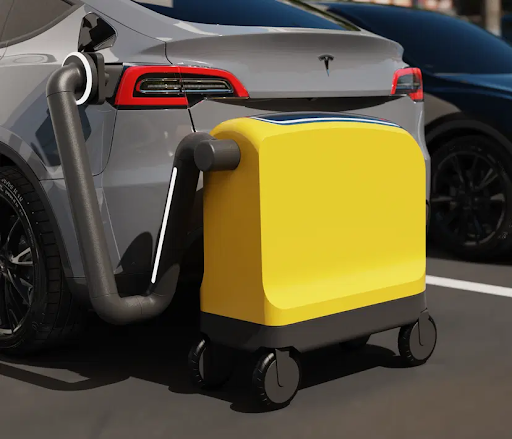
EVs are often referred to as big batteries on wheels. But Inductive Robotics is all about small batteries on wheels and it's trying to bring chargers to the car, rather than the other way around.
The goal of the company is to “make EV charging broadly available by disrupting the capital-intensive, long-lead status quo of scaling EV charging by providing parking lot operators with a quickly deployable and flexible service”.
The autonomous charging robots operate with computer vision and are largely aimed at the commercial parking industry, which is a $13 billion industry in the US alone.
This blog details how it could change parking economics and the key components are:
It's certainly an interesting idea for those in the parking industry. And it could also be something that landlords (or tenants) with car parks but no access to charging points could benefit from.
It pays well to rebel.
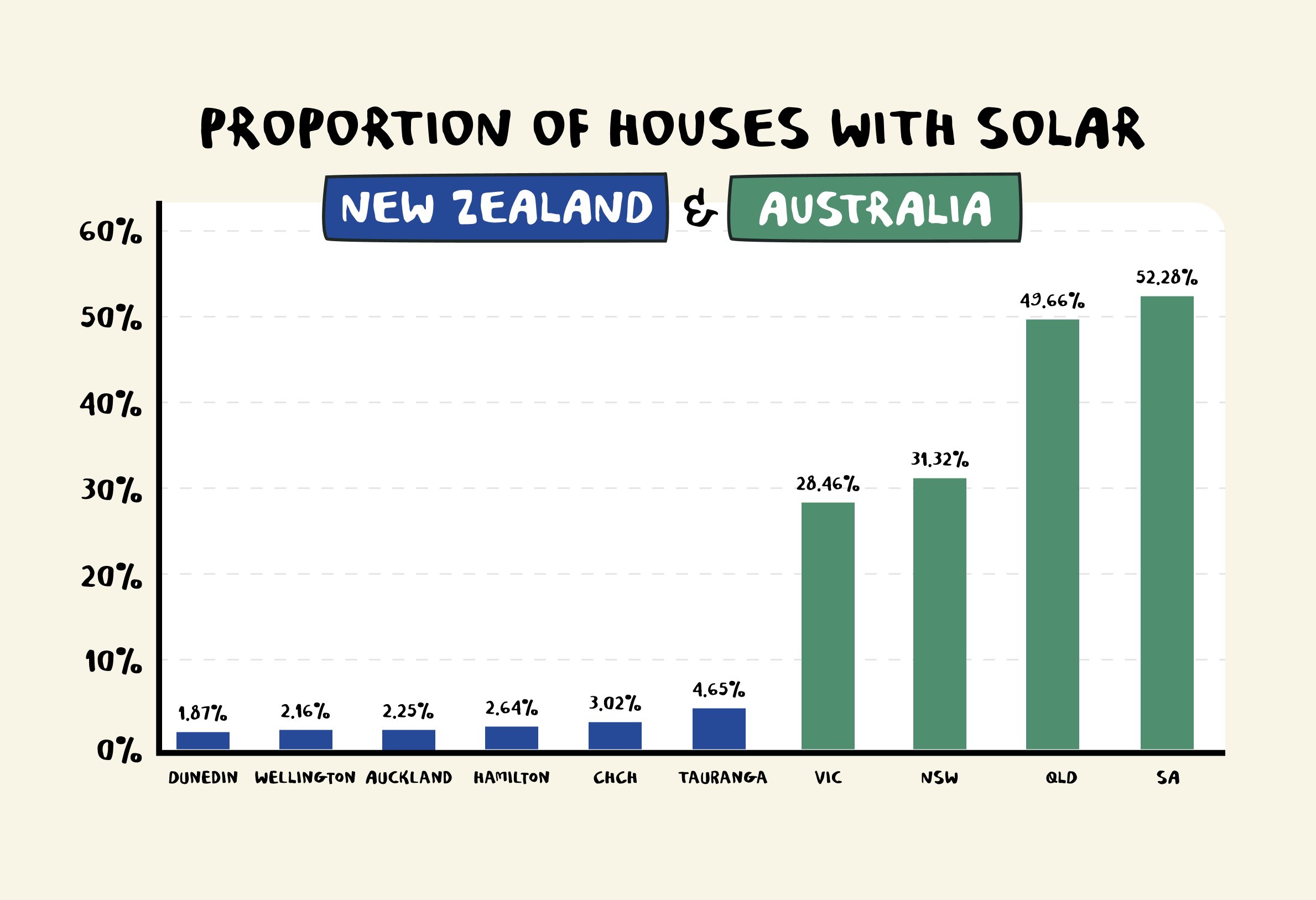
We love a good pun. And we love homes that take the power into their own hands. In Australia, Amber has launched a tongue-in-cheek campaign celebrating all the revolting South Australians who are benefitting from solar, batteries and some smart tech inbetween.
“There’s a rebellion happening in homes across the country. Aussies are ditching power plans from traditional retailers. They're charging their batteries when energy is cheap. Selling it back when prices spike. And taking control of their energy, with smaller bills and faster payback. It’s no surprise people in SA are fighting back. Not with signs or slogans, but by installing solar panels, adding batteries, and using tech like Amber to take control of their energy and reduce their bills on their own terms.
Quite a few New Zealanders are revolting these days and there are a lot of strong signals to invest, but we’re a long way behind.
Sing when it's sunny
Solar fans, put this one on your playlist! Endless Energy's Johnny Solar, resplendent in what looks like a very high quality bright yellow suit, has come up with a beautiful version of the classic The Kinks song Lola and it's an absolute triumph.
Political Power has gone local! Dr Nick Smith, mayor of Nelson and ex-National Party minister, is an early adopter when it comes to electric machines but, through his efforts with the council and his close involvement with the Ratepayer Assistance Scheme, he's also embracing one of Rewiring's core mantras: once you've electrified your own life, electrify someone else's life, too.
Read moreDownloadWhether it's the growing number of electric buses, new electric trains for the lower North Island and City Rail Link, or new electric ferries, we love seeing more electric transport options in our big cities. It's also good to see some of our smaller cities like Palmerston North, Timaru and Nelson going electric and, as is almost always the case, the drivers reckon it's better on electrons. At the Electrify Nelson expo, we spoke with one driver Lee about the city's electric buses. And he definitely wouldn't go back to diesel.
Read moreDownload