Don't listen to Old Man Gas. Ditch LNG. Support New Zealand-made energy!

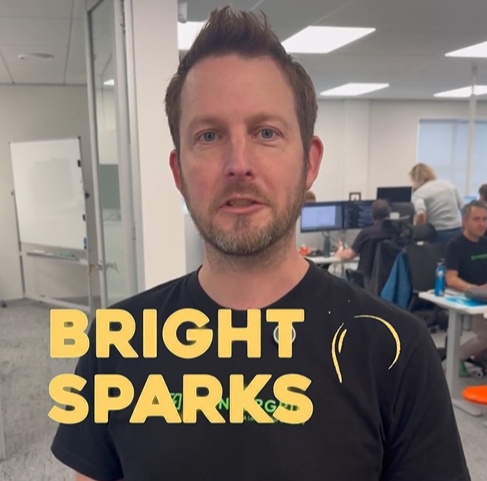

For households, upgrading to an electric vehicle is likely to save you money over the long term (and the proposed RUCs scheme will make EVs even more economically appealing). It is also likely to have the biggest impact on your emissions. Similar benefits apply to businesses and it makes increasingly good sense as more electric machines become available and the upfront costs drop further. All these electric machines set to be put to use in New Zealand will increase demand for electricity and put pressure on our existing network. And that's where a company like Thundergrid comes in.
As CEO Johnny Parker says, it tests about 50 different brands of chargers - from AC chargers for fleet managers and employee home charging to DC chargers built for heavy transport - and helps design, install and monitor them.
Smart chargers are able to dial power use up or down automatically when required and some of the newer models can even recognise individual cars with a 'handshake', so there's no need for RFID fobs.
Chargers that can also send power from the car's big battery back to the home or the grid are becoming more widely available in New Zealand and more are on their way. There are no regulatory or system issues standing in the way of this; we just need all the manufacturers to allow that capability and when our cars can play a role in the energy system, that changes the calculations.
As Parker says: "People have got batteries in their home and batteries in their car and it creates a lot more stability out there."
If you know of anyone who deserves to be featured on our weekly Bright Sparks segment, get in touch.
Political Power has gone local! Dr Nick Smith, mayor of Nelson and ex-National Party minister, is an early adopter when it comes to electric machines but, through his efforts with the council and his close involvement with the Ratepayer Assistance Scheme, he's also embracing one of Rewiring's core mantras: once you've electrified your own life, electrify someone else's life, too.
Read moreDownloadWhether it's the growing number of electric buses, new electric trains for the lower North Island and City Rail Link, or new electric ferries, we love seeing more electric transport options in our big cities. It's also good to see some of our smaller cities like Palmerston North, Timaru and Nelson going electric and, as is almost always the case, the drivers reckon it's better on electrons. At the Electrify Nelson expo, we spoke with one driver Lee about the city's electric buses. And he definitely wouldn't go back to diesel.
Read moreDownload